Hard taco shells and soft tortillas need very different production systems. Choosing the wrong setup can raise costs and limit product quality.
A taco shell production line may use frying or baking.
In this guide, you will compare both systems and learn which line fits your factory.
Hard Shell Frying Line vs Soft Tortilla Line: Key Differences
A hard taco shell line and a soft tortilla line share several upstream stages. However, their cooking and finishing systems are very different.
Hard shells usually require controlled frying and shaping. Soft tortillas mainly depend on pressing, baking, cooling, and stacking.
Production Process: Frying vs Baking
A hard shell frying line usually starts with dough preparation and forming.
The formed tortilla then enters a cooking or pre-baking stage. Afterward, frying creates the crisp texture and rigid shape.
A soft tortilla line follows a different route.
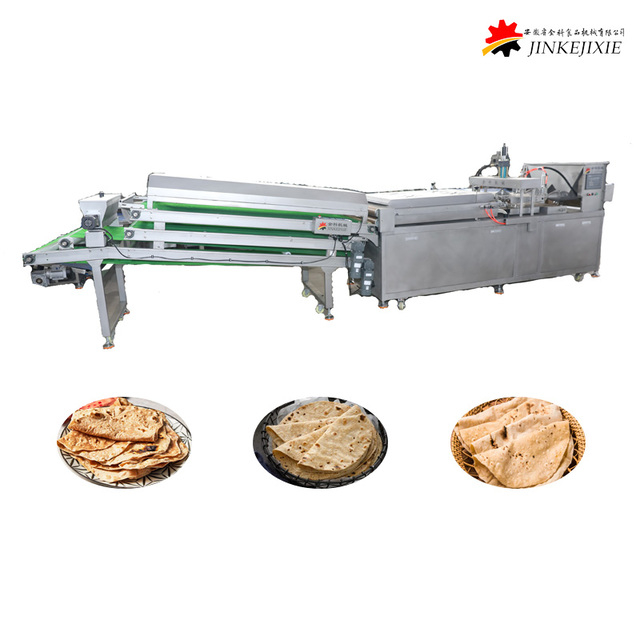
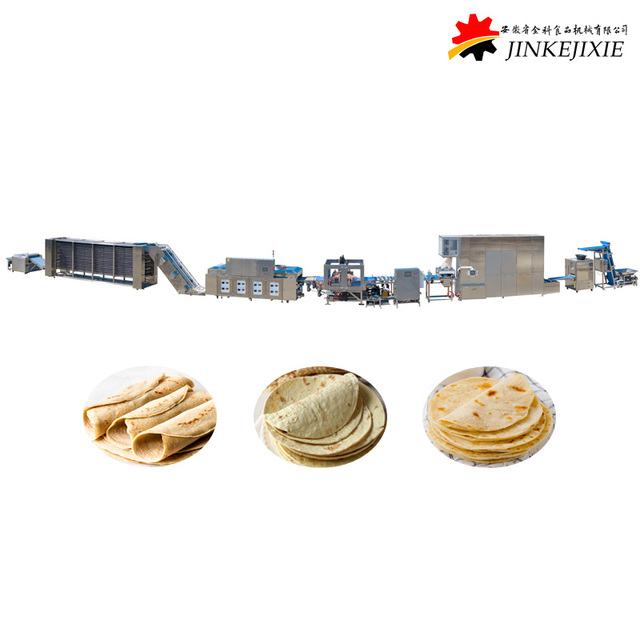
It normally uses pressing, proofing when required, continuous baking, cooling, and stacking. Industrial tortilla systems can use electric or gas heating. One referenced system supports adjustable 6–12-inch products and PLC control.
The cooking method strongly affects factory design.
A frying line needs oil handling and stronger ventilation. A soft tortilla line usually has simpler downstream cooking requirements.
Finished Product Texture and Shape
Hard shells must remain crisp after production.
They also need a stable folded shape. This shape must survive cooling, packaging, transportation, and retail handling.
Soft tortillas need flexibility instead.
They should bend without cracking. Moisture retention and controlled baking are therefore important.
This difference affects almost every process setting.
Core Equipment Configuration
The table below summarizes the main equipment differences.
Process Stage
Hard Shell Frying Line
Soft Tortilla Line
Dough mixing
Required
Required
Dough dividing
Required
Required
Pressing or sheeting
Required
Required
Proofing
Recipe dependent
Often required
Baking
May be pre-cooking stage
Main cooking stage
Frying
Core stage
Usually not required
Taco shaping
Required
Not required
Oil filtration
Important
Not required
Cooling
Required
Required
Stacking
Product dependent
Common
Packaging
Protective packaging
Flexible bag or flow wrap
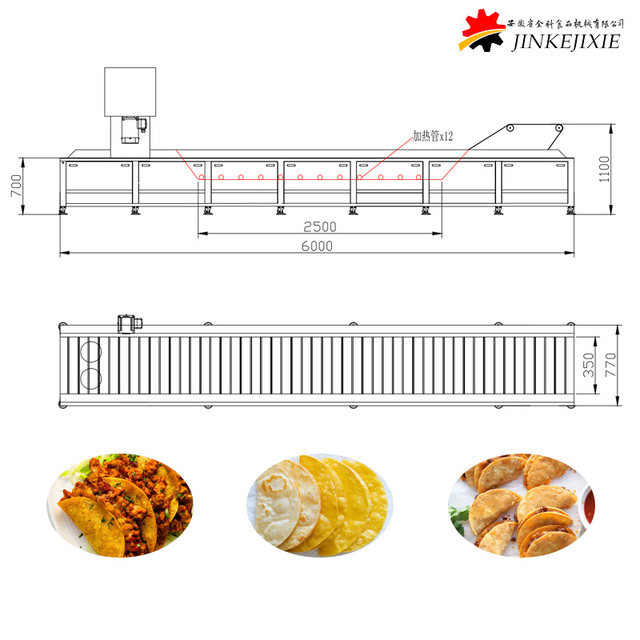
JinKe's Taco Production Line is dedicated to industrial taco manufacturing. Its current product category includes a customizable taco shell fryer production system.
Oil Management and Food Safety
Oil management is one major difference.
Hard shell production needs controlled frying temperature. The factory may also need oil circulation, filtration, storage, and replacement procedures.
Old or poorly controlled oil can affect flavor and color.
It can also increase operating costs.
Soft tortilla production avoids most fryer-related oil management. This usually simplifies daily sanitation and utility planning.
Production Flexibility
A soft tortilla line can often support several flatbread sizes.
For example, the referenced tortilla system handles wheat and corn flour products. It also lists adjustable sizes from 6 to 12 inches.
A hard taco shell line is more specialized.
Its fryer and forming system must create a specific rigid shape.
JinKe's current JKJX-Taco system offers customizable capacity, product diameter, voltage, dimensions, and power settings.
Operating Complexity
Hard shell frying requires more process control.
Operators must monitor oil temperature, frying time, product shape, and oil condition.
Soft tortilla production focuses more on dough consistency, pressing pressure, proofing, baking temperature, and cooling.
Both lines can use PLC control.
However, frying adds another process layer that requires cleaning and maintenance.
Which Line Fits Your Product?
Choose a hard shell frying line when you need rigid, crispy taco shells.
Choose a soft tortilla line when you need flexible tortillas for folding or wrapping.
A factory serving both markets may require two dedicated finishing sections.
Tip: Define the final product texture before discussing machine capacity or price with a supplier.
How a Hard Taco Shell Production Line Works
An industrial hard taco shell production line connects several stages into one controlled process.
Dough Mixing and Portioning
Production begins with controlled dough preparation.
Raw materials vary by recipe. Corn-based formulations are common for hard taco shells.
The dough must remain consistent between batches.
Automatic dividing then creates similar portions. Better portion control helps stabilize shell size and weight.
Rolling, Pressing, and Forming
The dough is flattened into thin pieces.
Thickness control matters because it affects frying speed and final crispness.
Uneven products may fry at different rates.
This can create dark areas, soft spots, or excessive oil absorption.
Industrial pressing also improves dimensional consistency.
Baking and Frying
The formed product may first receive a pre-cooking step.
It then enters the frying section.
Frying removes moisture and develops the crisp shell structure. The forming mechanism keeps the product in its taco shape during cooking.
It can reduce repeated manual handling during production.
Packaging Requirements
Hard and soft products need different packaging strategies.
Hard shells need stronger protection against crushing.
Soft tortillas can usually be stacked into flexible bags.
High-capacity plants may use automated counting and packaging systems.
Tip: Compare quotations using the same equipment scope, including fryer, oven, cooling, and packaging sections.
Operating Cost: Hard Shell vs Soft Tortilla Production
Initial investment is only one decision factor.
Long-term operating cost can change the better choice.
Oil Consumption
Hard shell frying requires continuous oil management.
Factories must budget for new oil, filtration, cleaning, and disposal.
Product oil absorption also affects consumption.
Soft tortilla lines generally avoid this major recurring cost.
Electricity and Gas Consumption
Both lines use motors, conveyors, controls, and heating systems.
A frying line adds fryer heating demand.
A soft tortilla line may rely heavily on tunnel oven energy.
Local electricity and gas prices should influence equipment selection.
Labor Requirements
Automation can reduce manual transfers.
However, workers still manage raw materials, quality checks, sanitation, packaging, and maintenance.
Hard shell production may require additional inspection because brittle products can crack.
Maintenance Requirements
Frying systems need frequent cleaning.
Oil pipes, pumps, filters, heating systems, and conveyor sections need regular inspection.
Soft tortilla lines focus more on presses, ovens, conveyors, and proofing equipment.
Both factories should keep critical spare parts available.
Product Quality and Process Control
Good equipment must produce consistent products, not just high volume.
Hard Shell Crispness and Oil Control
Frying temperature must remain stable.
Low temperatures can increase oil absorption.
Excessive temperatures can create dark or burnt shells.
Dwell time also affects final moisture and crispness.
Soft Tortilla Flexibility
Soft tortillas need balanced moisture.
Over-baking can make them dry and brittle.
Under-baking can create poor structure or unstable shelf performance.
Cooling must also support the required final texture.
Size and Thickness Consistency
Thickness affects cooking time in both lines.
Consistent forming improves process control.
JinKe's taco shell fryer line offers adjustable product diameter and customizable operating parameters.
Production Data Tracking
Data helps factories control repeatability.
Output, temperature, speed, and runtime can reveal production changes.
JinKe lists real-time production tracking within its current taco shell production system.
Note: Stable product quality depends on coordinated forming, cooking, cooling, and handling settings.
Factory Requirements for Each Taco Production Line
Factory conditions should be reviewed before equipment manufacturing.
Space and Layout
A frying line needs space for frying and oil management.
It may also require wider safety clearance.
Soft tortilla lines often follow a more linear layout.
Pressing, baking, cooling, and stacking can connect through conveyors.
Ventilation and Exhaust
Frying creates heat and cooking vapors.
Strong ventilation is therefore important.
Factories should also review local exhaust and fire regulations.
Soft tortilla ovens still need heat management, but oil vapor is reduced.
Power and Utility Supply
Check voltage, frequency, phase, gas supply, and electrical capacity.
JinKe's JKJX-Taco supports 220V, 380V, or customized electrical configurations.
Customized power settings help international factories match local conditions.
Sanitation and Food-Contact Materials
Food-contact surfaces should support regular cleaning.
JinKe lists food-grade SS304 contact components for its taco shell system.
Factories should also plan drainage, cleaning areas, and safe access.
How to Choose the Right Taco Shell Production Line
The right choice starts with your product, not the machine.
Define Your Final Product First
Specify whether you need hard shells or soft tortillas.
Then define:
diameter;
thickness;
weight;
recipe;
texture;
package format.
These details determine equipment configuration.
Calculate Required Capacity
Start from expected daily sales.
Then divide output across real operating hours.
Include cleaning, product changeovers, and planned maintenance.
Avoid choosing a line that must operate at maximum capacity every hour.
Compare Total Production Cost
Calculate more than machine price.
Include:
electricity;
gas;
frying oil;
labor;
maintenance;
spare parts;
packaging;
sanitation.
Cost per 1,000 finished products can provide a useful comparison.
Consider Future Product Expansion
Soft tortilla lines can provide broader flatbread flexibility.
Hard taco shell lines are more specialized.
However, customizable equipment can support future changes in diameter, capacity, or control settings.
JinKe's taco system allows customized capacity, dimensions, voltage, power, and product diameter.
Hard Shell vs Soft Tortilla Line Summary
Factor
Hard Shell Frying Line
Soft Tortilla Line
Final product
Crispy, rigid shell
Soft, flexible tortilla
Main cooking method
Frying
Baking
Oil system
Required
Usually unnecessary
Product shaping
Taco shape required
Flat round shape
Ventilation demand
Higher
Moderate
Breakage risk
Higher
Lower
Cleaning complexity
Higher
Lower
Product flexibility
More specialized
Broader
Packaging
Protective
Flexible bags or wraps
Best for
Crispy taco products
Soft tacos and wraps
Conclusion
Hard taco shells and soft tortillas need different production systems. Buyers should compare cooking methods, equipment costs, utilities, maintenance, packaging, and future production needs before investing. Anhui JinKe Foodstuff Machinery Co., Ltd. provides customizable taco shell and tortilla production solutions. Its automated equipment, flexible configurations, and technical support help manufacturers improve product consistency and production efficiency.
FAQ
Q: What is a taco shell production line?
A: A taco shell production line automates forming, cooking, cooling, and packaging for hard or soft taco products.
Q: How does a hard taco shell production line differ?
A: It adds frying, shaping, oil control, and stronger ventilation to produce crisp shells.
Q: Is a soft tortilla line cheaper to operate?
A: It may reduce oil-related costs because baking replaces deep frying.
Q: How do I choose the right taco shell production line?