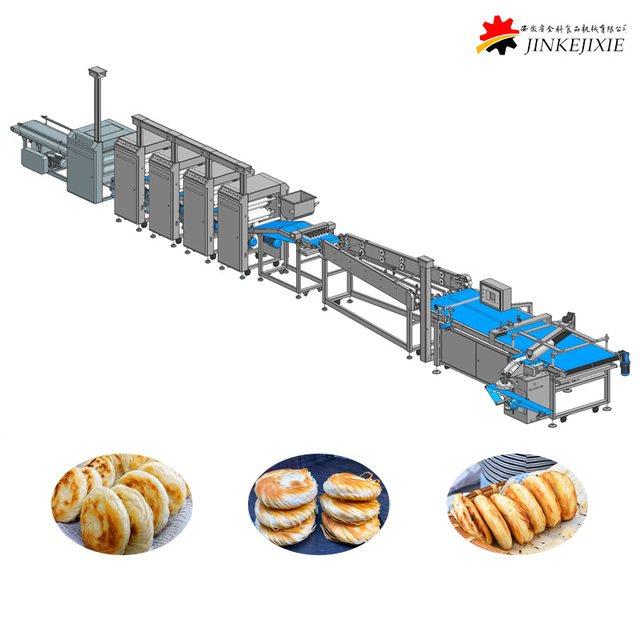
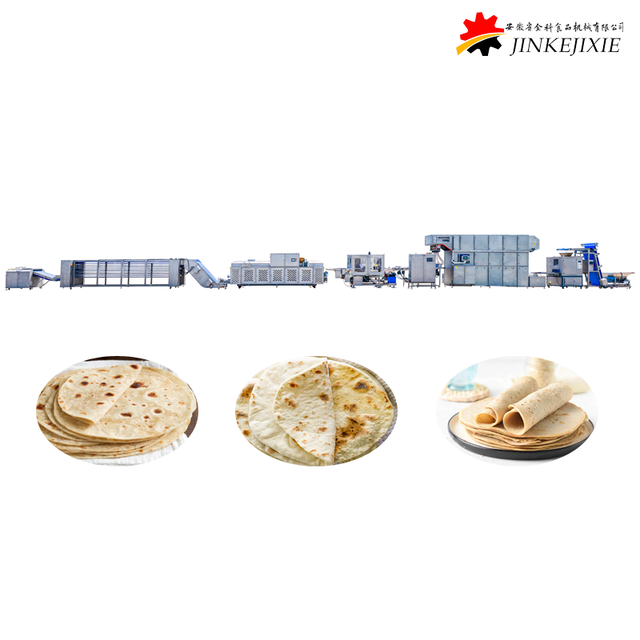
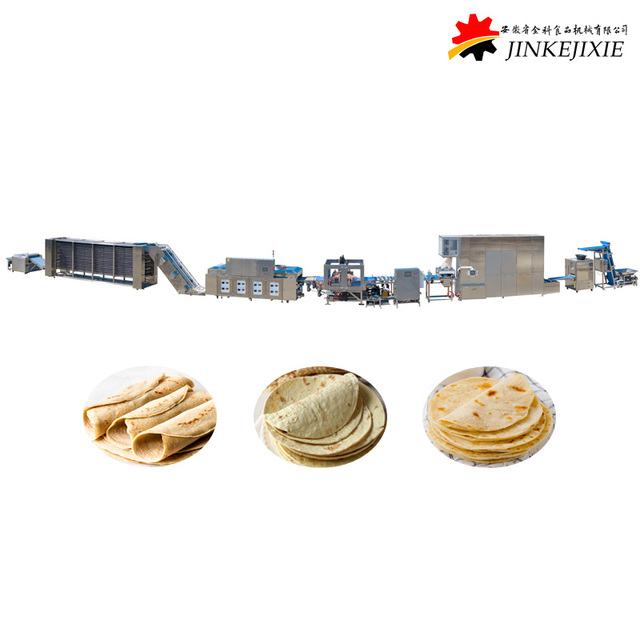
Scaling traditional Roujiamo (Baijimo) bread from street-food stalls to industrial volumes often results in a dense, homogenous bun that lacks the signature crispy exterior and layered interior. Central kitchens and food manufacturers face a strict engineering challenge: standard commercial bakery equipment overworks the dough, destroying the delicate spiral lamination required for the bread to naturally form a "pocket" when sliced. To achieve artisanal quality at scale, operators must evaluate specialized production equipment based on precise dough handling, automated coiling, and multi-stage baking capabilities. This guide breaks down the technical requirements for selecting and configuring a high-yield Roujiamo Production Line. We will examine the mechanical tolerances, thermal profiling, and downstream integration necessary to maintain product integrity while maximizing throughput.
Lamination is Critical: Automated coiling and pressing mechanisms must replicate manual spiral-folding to ensure the bread develops the internal layers necessary for pocket formation.
Low-Hydration Handling: Industrial mixers and extruders must be rated for the stiff, low-hydration dough characteristic of authentic Roujiamo without burning out motors or tearing the gluten network.
Thermal Profiling: Successful central kitchen Roujiamo equipment utilizes multi-zone baking (contact searing followed by ambient baking) to achieve the dual-texture requirement (crispy outside, soft inside).
Downstream Slicing Readiness: The bread must possess sufficient structural integrity to withstand automated, high-speed inline slicing without structural collapse or crumb tearing.
Throughput vs. Quality: Evaluating a Chinese meat pie machine requires balancing units-per-hour metrics with the mandatory resting (proofing) times required to prevent dough shrinkage during the final press.
The Physics of Baijimo: Success Criteria for Industrial Scaling
Defining the Target Texture Profile
Authentic Roujiamo bread demands a highly specific structural profile that standard bakery lines cannot replicate. The exterior must feature a brittle, concentric-circle crust, commonly referred to in the industry as the "iron ring." This crust provides the initial textural snap and acts as a moisture barrier. Internally, the crumb must remain soft, slightly chewy, and distinctly layered. These layers are not merely aesthetic; they serve a critical functional purpose. The bun must hold heavy, wet fillings, such as braised pork belly and its associated juices, without losing crispness or suffering structural blowout during consumption.
When operators attempt to run Roujiamo dough through standard burger bun lines, the failure points become immediately apparent. Standard equipment relies on aggressive rounding and proofing, which homogenizes the crumb structure. The resulting bun lacks the necessary flakiness and internal lamination. Consequently, when loaded with braised meat juices, the uniform crumb absorbs the liquid rapidly, leading to total structural disintegration before the product reaches the consumer.
Parameter
Authentic Roujiamo Profile
Standard Burger Bun Profile
Crust Texture
Brittle, concentric rings, high sear
Soft, uniform, minimal sear
Internal Structure
Laminated, distinct spiral layers
Homogenous, uniform aeration
Moisture Resistance
High (resists braising juices)
Low (absorbs liquids rapidly)
Pocket Formation
Natural separation of layers
Requires complete mechanical slicing
The Mechanics of Pocket Control
The formation of the internal pocket in a Baijimo is a mechanical process driven by thermal expansion, not just biological leavening. The pocket forms through the physical separation of laminated dough layers during the baking phase. Commercial recipes utilize multi-leavening agents, typically a calibrated combination of osmotolerant yeast and double-acting baking powder. Automated lines must manage this rapid gas release effectively.
The baseline requirement for any automated line is the ability to fold, coil, and press the dough without fusing the internal layers together. If the pressing mechanism applies excessive force or if the dough lacks sufficient resting time, the layers will compress into a single dense mass, completely eliminating the pocket.
Initial Sheeting: Dough is reduced to a specific millimeter thickness without tearing the gluten network.
Lipid Application: A precise, micro-thin layer of oil or shortening is sprayed or brushed onto the sheeted dough to prevent layer adhesion.
Coiling: The dough is rolled into a tight cylinder, trapping the lipid layer between the dough sheets.
Portioning: The cylinder is cut into uniform pucks using ultrasonic or high-speed mechanical blades to prevent pinching the edges shut.
Pressing: The pucks are flattened using controlled pneumatic pressure, maintaining the integrity of the spiral.
Downstream Processing: Automated Slicing and Assembly Integration
High-speed mechanical slicing places immense physical demands on freshly baked buns. If the internal pocket is not properly formed, the slicing blades will encounter inconsistent resistance. Poor pocket control during automated slicing results in off-center cuts, tearing of the brittle crust, or complete crushing of the internal crumb structure. To mitigate these issues, cooling conveyors are mandatory. The crumb structure must set, and the internal steam must dissipate before the buns reach the inline slicing and packaging stations. Running hot buns directly into a slicer guarantees a high defect rate and frequent machine jams.
Evaluating Roujiamo Production Line Configurations
Dough Mixing and Hydration Systems
Mixing low-hydration dough, which typically sits between 45% and 50% hydration, presents significant mechanical challenges at commercial volumes. The stiffness of the dough generates immense friction, leading to rapid temperature increases that can prematurely activate the yeast. Spiral mixers generally outperform horizontal mixers in this specific application due to superior heat dissipation, more efficient gluten development, and the elimination of dry flour lumps.
Automated dry-ingredient dosing systems for flour, salt, sugar, yeast, and baking powder are essential for batch-to-batch consistency. Furthermore, precise oil injection systems must be integrated directly into the mixing phase. Once mixed, the dough must be transferred to the sheeting line. Automated dough chunkers and continuous feeders must be engineered to handle the stiff dough without degassing it or over-stressing the mechanical components. Standard extruders will frequently stall or burn out their motors when processing 45% hydration dough.
Lamination and Coiling: The Core of the System
The automated sheeting process is where the structural foundation of the bread is built. The dough thickness must be reduced gradually via multi-roller stations. Attempting to reduce the thickness too rapidly in a single pass will tear the gluten network and result in a tough final product. Following the sheeting phase, automated oil or shortening application systems deposit the separation layer.
The coiling and cutting mechanisms define the capability of a Chinese meat pie machine. Specialized equipment rolls the sheeted dough into tight cylinders and portions them into uniform pucks. The cutting mechanism must slice cleanly through the cylinder without crimping the edges, as crimped edges will prevent the layers from expanding during baking.
Pressing and Shaping Mechanisms
Flattening the coiled pucks requires precise force control. Pneumatic pressing systems offer superior control dynamics compared to rigid mechanical stamping. Operators must be able to adjust the pressure settings to flatten the coiled dough pucks to the exact required diameter without crushing the internal lamination. If the pressure is too high, the layers fuse; if too low, the bun will be too thick and fail to cook through. Non-stick, food-grade conveyor belts are required during the pressing phase to prevent the dough from sticking and deforming as it transfers to the baking phase.
Multi-Product Line Versatility: Configuring for Meat Pies and Pastries
A well-configured central kitchen Roujiamo equipment setup provides significant operational versatility. By integrating modular components, the same base line can function as a shaobing line or produce various stuffed pastries. Modular filling injectors can be synchronized with the coiling stations to deposit meat or vegetable fillings directly into the dough before it is sealed and pressed. Crimping stations can be swapped in to handle stuffed meat pies on the same base conveyor line. Fast changeover times, facilitated by quick-release belts and tool-less mold swaps, allow facilities to switch between flat Roujiamo buns and stuffed pastries within a single shift, maximizing equipment utilization.
Baking Technology for Central Kitchen Roujiamo Equipment
Multi-Zone Tunnel Ovens vs. Rotary Stamping Griddles
The baking phase must replicate the traditional street-food method of high-heat searing followed by ambient roasting. Continuous rotary griddles are often employed at the front end of the baking line to mimic traditional flat-pan searing. These heavy cast-iron or steel griddles apply direct conductive heat to establish the top and bottom crusts, forming the signature iron ring. However, conductive heat alone is insufficient to cook the interior of a thick bun without burning the exterior.
To solve this, the line must integrate infrared or convection tunnel ovens for the secondary baking phase. Once the crust is set on the griddle, the buns transfer to the tunnel oven, where ambient convective heat penetrates the crumb, fully cooking the interior and expanding the pocket without further darkening the crust.
Temperature Profiling and Moisture Retention
Specific temperature curves are required to trigger the Maillard reaction rapidly on the surface during the initial sear. The griddle zone typically operates at significantly higher temperatures than the subsequent tunnel oven. Within the tunnel oven, controlled steam injection or the management of trapped moisture within the baking chamber is critical. The steam prevents the crust from becoming overly desiccated and aids in the rapid expansion of the internal gases, which forces the laminated layers apart to finalize the pocket structure.
When evaluating equipment, machine speed—often advertised ranging from 2,000 to 10,000 pieces per hour—must be mapped against the physical limitations of dough resting. Stiff, low-hydration dough requires significant resting time to relax the gluten network after sheeting and coiling. If the dough is pressed immediately after coiling, it will snap back, resulting in undersized, dense buns.
To maintain high throughput without sacrificing quality, the line must include automated resting conveyors, also known as intermediate proofers, between the mixing, coiling, and pressing stages. These vertical or serpentine conveyors provide the necessary time delay (often 15 to 30 minutes) while maintaining a continuous flow of product to the pressing stations.
Sanitation, Maintenance, and Compliance
Industrial food production requires rigorous sanitation protocols. Equipment design must include clean-in-place (CIP) capabilities, specifically around the oil applicators and flour dust collection zones. Oil buildup and flour dust create significant sanitation hazards and can impact machine performance. IP65-rated washdown components are mandatory to allow for high-pressure cleaning without damaging electrical systems. CE or UL certifications ensure compliance with regional safety standards. Furthermore, the availability of modular parts, such as interchangeable pressing molds for different bread diameters, enhances the long-term utility and maintainability of the line.
Implementation Risks and Mitigation Strategies
Flour Variability and Calibration
One of the most significant risks in automated dough processing is seasonal flour variability. Changes in protein content and moisture absorption rates directly impact dough stiffness and machine performance. A batch of flour that absorbs more water will result in a stiffer dough, which can alter the sheeting thickness and coiling tension.
To mitigate this risk, facilities must implement strict incoming ingredient quality assurance protocols. Furthermore, the production line must be equipped with variable frequency drives (VFDs) on all major motors. VFDs allow operators to make micro-adjustments to roller speeds, conveyor pacing, and pressing pressures on the fly, compensating for slight variations in dough rheology without stopping production.
Operator Training and Line Synchronization
Synchronizing dough feed rates with resting times and baking speeds is a complex operational challenge. If the sheeting line outpaces the oven, bottlenecks occur, and dough over-proofs on the belt. Relying on operator intuition to manage these variables leads to inconsistent product quality and high waste.
Mitigation requires prioritizing equipment with centralized Programmable Logic Controller (PLC) touchscreens. These systems must feature robust recipe-saving capabilities. Once the optimal speeds, pressures, and temperatures are established for a specific product, they can be saved and recalled instantly, ensuring that the entire line synchronizes automatically based on the selected recipe.
Conclusion
Compile a detailed technical specification sheet based on your exact desired throughput, product dimensions, and facility footprint before contacting vendors.
Mandate a factory acceptance test (FAT) using your proprietary flour blend and recipe formulation to verify the equipment can handle your specific low-hydration dough.
Audit the vendor's downstream integration capabilities to ensure the baked buns can transition seamlessly into your automated slicing and packaging equipment.
Establish a strict preventative maintenance schedule focusing on the lamination rollers and pneumatic pressing cylinders to prevent long-term calibration drift.
FAQ
Q: What is the ideal dough hydration for an automated Roujiamo production line?
A: Authentic Roujiamo dough typically requires a low hydration rate of 45% to 50%. Automated lines must feature heavy-duty mixers and extruders specifically rated for stiff dough to prevent motor burnout and ensure proper sheeting without tearing the gluten.
Q: How does a Chinese meat pie machine create the internal pocket?
A: Instead of relying solely on yeast, the machine sheets the dough, applies a thin layer of oil or shortening, and coils it into a spiral. When pressed and baked, these distinct layers separate due to steam expansion, creating a natural pocket.
Q: Can standard burger bun equipment be used for Roujiamo?
A: No. Standard bun lines round and proof the dough into a homogenous crumb, which lacks the flaky layers and crispy exterior required for Roujiamo. Specialized equipment is required for the coiling and flat-pressing stages.
Q: Can a Roujiamo production line be used to make other stuffed pastries?
A: Yes, many lines feature modular designs. By adding filling injectors and crimping stations, the same base conveyor can produce various stuffed pastries, shaobing, and meat pies with minimal changeover time.
Q: Why is multi-zone baking important for Roujiamo?
A: Multi-zone baking allows for initial high-heat contact searing on a griddle to form the crispy exterior crust, followed by ambient convection baking to fully cook the interior crumb without burning the outside.