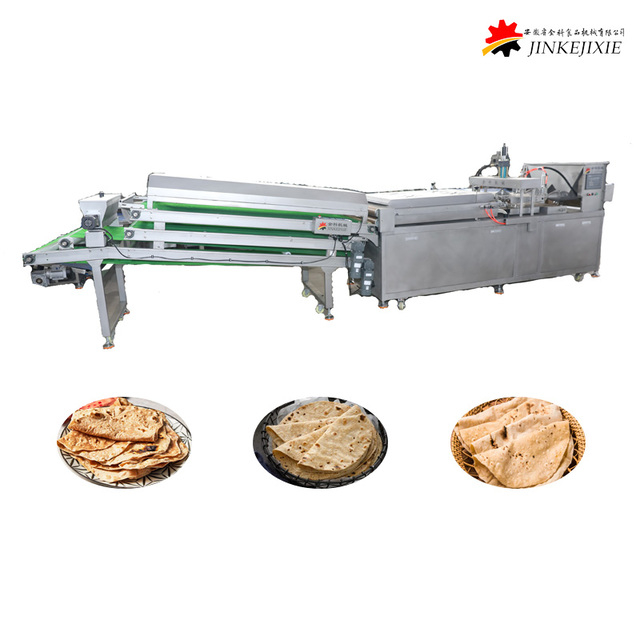
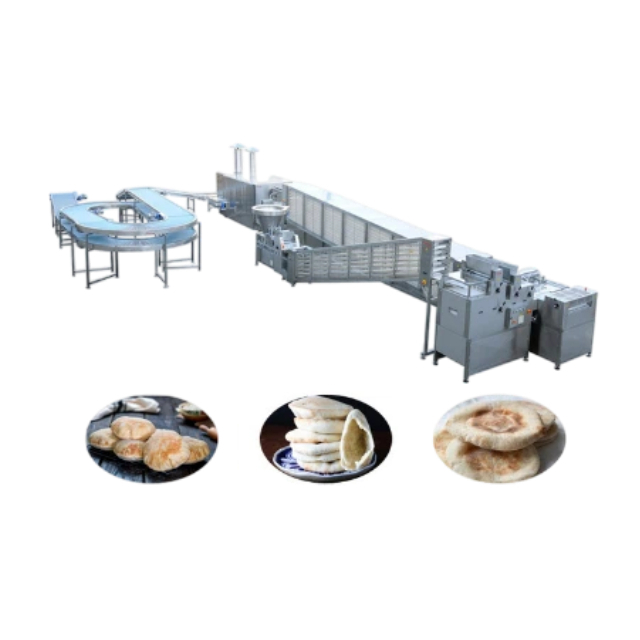
Building a flatbread factory is not only about purchasing a machine. A successful operation requires a clear product strategy, efficient factory layout, stable dough handling, consistent baking, reliable cooling, hygienic packaging, and the right automation level for your expected output.
Whether you plan to produce tortillas, chapati, roti, pita bread, lavash, paratha, wraps, or other thin flatbread products, the most profitable factory setup is one where every stage works as one continuous system.
Key Takeaways
Start with product specifications before selecting machinery.
Design the production flow from dough mixing to final packaging.
Choose equipment according to product size, thickness, recipe, and output target.
Reduce manual handling to improve consistency and hygiene.
Plan cooling and packaging early to avoid moisture and sticking problems.
Build flexibility into the line so it can support future product expansion.
Before comparing machinery, define the commercial purpose of your factory. Your product positioning determines the production method, capacity level, equipment configuration, and packaging solution.
Retail Packaged Flatbread
Suitable for supermarkets, food distributors, frozen food brands, and private-label flatbread manufacturers. This model usually requires automated cooling, stacking, and packaging.
Foodservice and Central Kitchens
Suitable for restaurants, hotels, catering companies, schools, hospitals, and canteens that need fresh or semi-finished flatbread in stable daily volumes.
Frozen Flatbread Production
Requires consistent dough processing, stable baking, controlled cooling, hygienic handling, and packaging compatibility for frozen storage and distribution.
Multi-Product Factory
Designed for manufacturers that want to produce more than one product type, such as tortillas, chapati, pita, lavash, paratha, wraps, or specialty flatbread.
Planning tip: Do not choose a production line only by its maximum output. The best investment is a system that matches your daily sales plan, available factory space, labor structure, product format, and growth strategy.
2. Define Your Flatbread Product Specifications
Flatbread production equipment must be configured around the product—not the other way around. Before creating your equipment list, define the finished product standards that customers will expect.
Influences dough mixing, resting, dividing, sheeting, and baking settings.
Target Output
How many pieces per hour, shift, day, or month?
Determines whether you need a compact line, a medium-capacity line, or a high-output automated system.
For flexible manufacturing, consider an automatic flatbread production line that can support multiple flatbread categories through equipment adjustments, mould changes, and recipe-specific settings.
3. Build the Correct Flatbread Production Flow
A high-performing flatbread factory works as a synchronized production chain. The objective is to move dough and finished products smoothly through each stage while keeping the product uniform, hygienic, and easy to package.
1
Dough Mixing Blend ingredients into stable dough.
2
Dividing Portion dough into consistent weights.
3
Rounding Create smooth dough balls for forming.
4
Pressing / Sheeting Control shape and thickness.
5
Baking Cook evenly with stable heat zones.
6
Cooling Reduce moisture before packaging.
7
Stacking & Packing Count, align, seal, and prepare for shipment.
Why Continuous Flow Matters
A disconnected factory line often creates bottlenecks. For example, baking may be fast while cooling is too slow, or finished bread may accumulate before packaging. This can lead to condensation, sticking, product damage, or inconsistent shelf life.
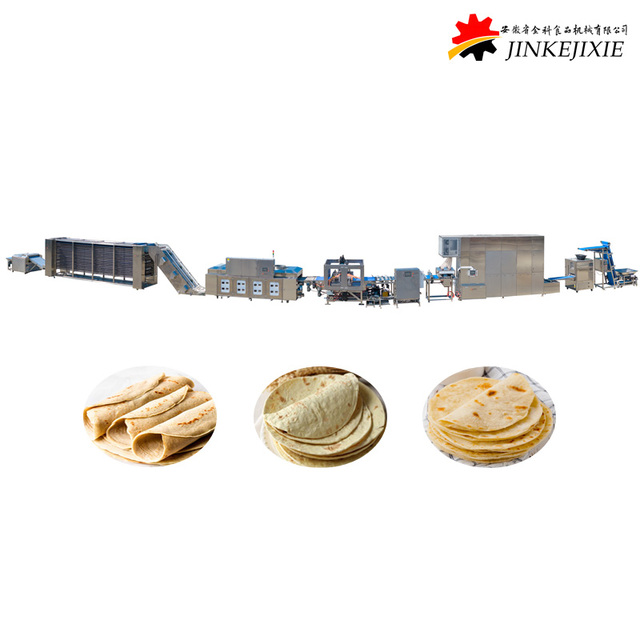
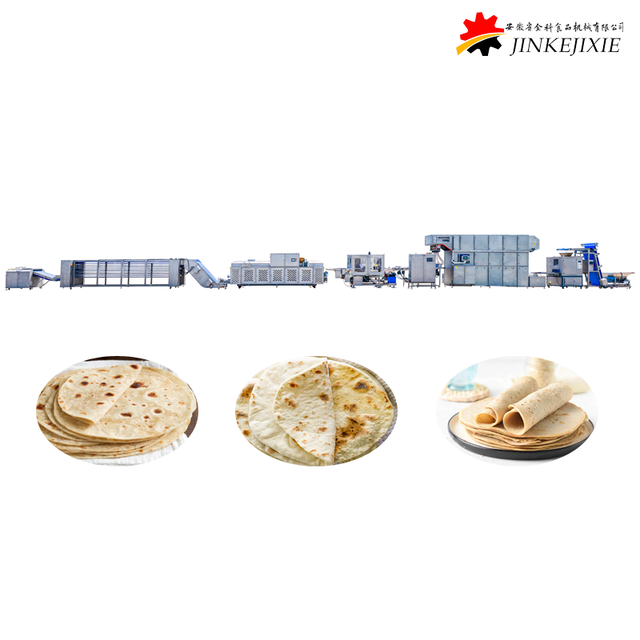
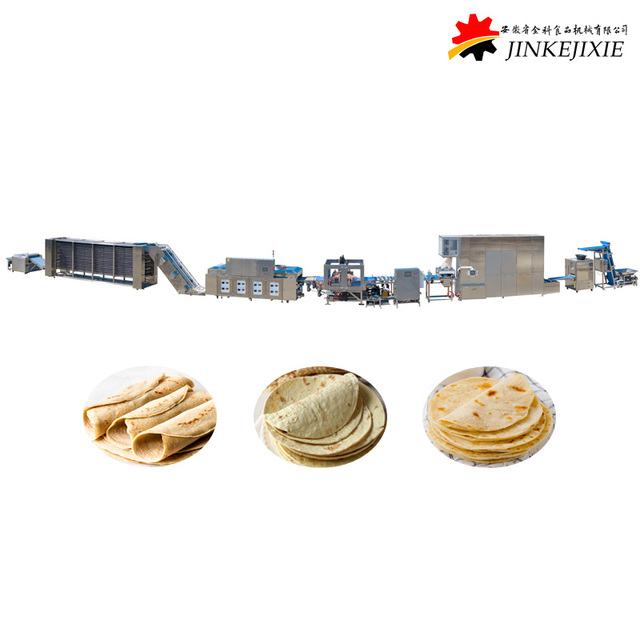
A properly integrated tortilla production line helps maintain a stable pace from dough preparation to finished product collection.
Example of an integrated automatic tortilla and flatbread production line.
4. Choose the Right Flatbread Equipment
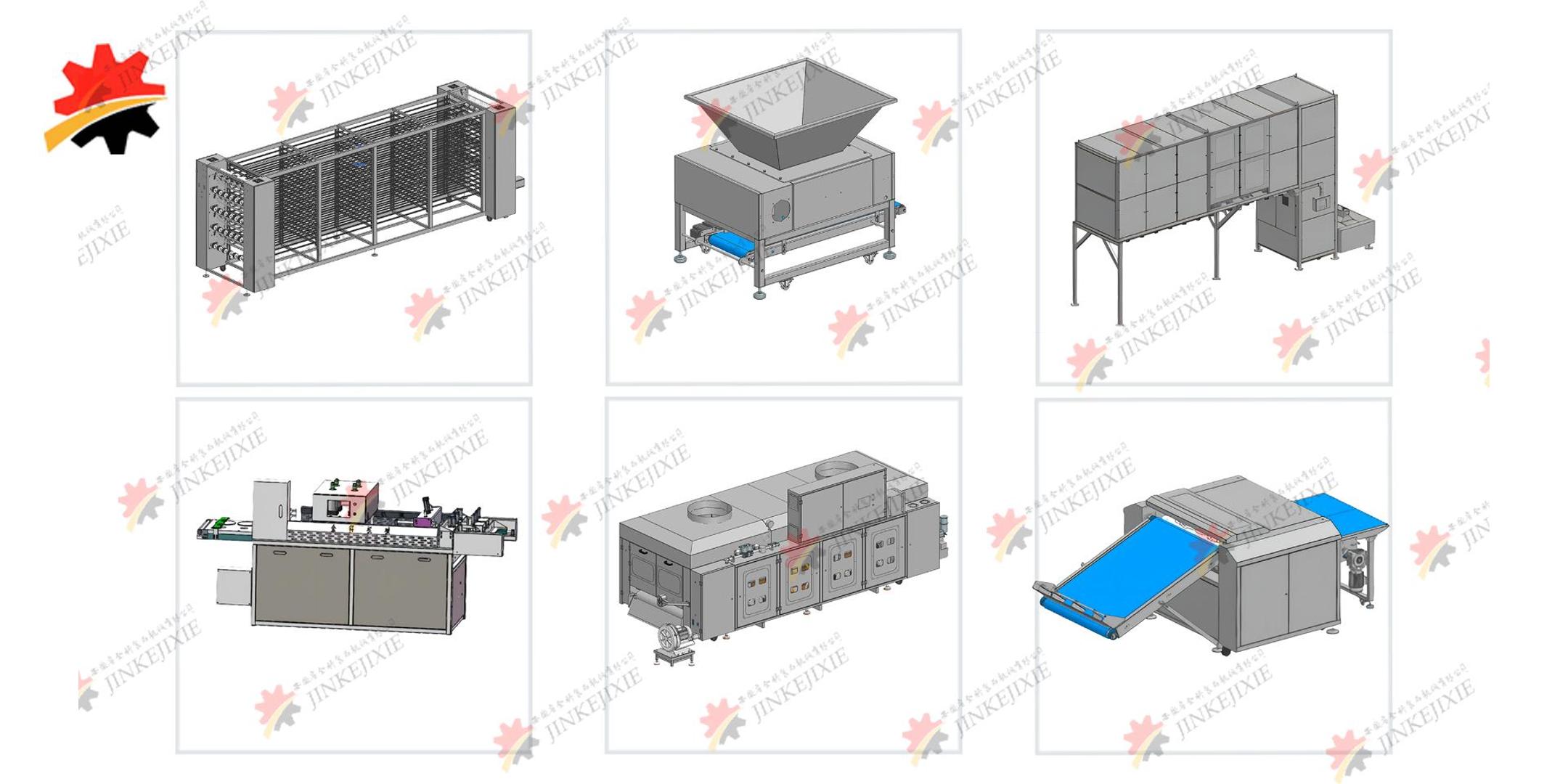
The core equipment in your factory should support your chosen recipe, production capacity, product size, and desired automation level. Below is a typical industrial equipment structure for a modern flatbread factory.
Dough Preparation
Consistent dough is the foundation of stable flatbread quality. Use controlled mixing, dividing, rounding, resting, and pressing systems.
Mixer, dough divider, dough rounder, dough resting system
Improves dough consistency and portion weight accuracy.
Forming
Pressing machine, sheeter, dough roller, shape cutter, mould system
Creates uniform diameter, thickness, and shape.
Baking
Gas or electric flatbread tunnel oven with controlled heating zones
Supports stable color, texture, and product quality.
Cooling
Multi-tier cooling conveyor
Reduces product temperature before stacking and packaging.
Finished Product Handling
Flatbread counter stacker and packaging integration
Supports accurate counting, cleaner handling, and faster packing.
For a complete turnkey configuration, explore the automatic flatbread production line category, including tortilla, chapati, roti, pita, taco, paratha, and other flatbread solutions.
5. Plan the Factory Layout and Utilities
Good equipment cannot compensate for a poor factory layout. Your production area should be designed around material flow, food safety, operator access, cleaning access, and future expansion.
Factory layouts should allow smooth movement from raw ingredients to packaged products.
Recommended Factory Zones
Raw material zone: flour, oil, water, additives, and packaging materials.
Dough preparation zone: mixing, resting, dividing, and rounding.
Forming and baking zone: pressing, moulding, sheeting, and oven operation.
Cooling zone: protected conveyor area with airflow and clean handling.
Packaging zone: stacking, sealing, labeling, carton packing, and palletizing.
Important: Leave enough space around your production line for cleaning, maintenance, ingredient loading, emergency access, and future equipment expansion.
Utilities to Confirm Before Installation
Available electrical supply and voltage requirements.
Gas supply or electric heating configuration for the oven.
Compressed air requirements for pneumatic components.
Water supply and drainage for cleaning procedures.
Ventilation and heat extraction around baking equipment.
Floor load capacity, drainage slope, and food-safe flooring.
6. Control Quality, Hygiene, and Output
High output does not automatically mean high quality. A profitable flatbread factory must create consistent products shift after shift. That requires clear quality standards, operator training, preventive maintenance, and data-based production monitoring.
Key Quality Control Points
Dough Consistency
Monitor water ratio, mixing time, dough temperature, resting time, and dough elasticity.
Weight Accuracy
Keep dough portions stable so finished product diameter and thickness remain consistent.
Baking Stability
Control oven temperature zones, baking speed, and product moisture to avoid underbaking or excessive drying.
Cooling Performance
Cool flatbread sufficiently before packaging to help reduce condensation and prevent sticking.
Packaging Integrity
Check stack count, bag seals, date coding, label accuracy, and carton packing before shipment.
Daily Sanitation
Use an established cleaning plan for food-contact areas, conveyors, moulds, guides, and packaging surfaces.
Automated systems with PLC and touchscreen controls can help operators monitor output, speed, temperature, alarms, and production settings more efficiently. For example, the JKBP-820 automatic tortilla production line is designed with operational monitoring, safety protection, and adjustable production parameters for industrial flatbread manufacturing.
7. Prepare for Scaling and Customization
Your first factory setup should not limit your business after one year. Build a production plan that allows you to add capacity, increase automation, introduce new flatbread formats, or expand into frozen and packaged product markets.
Phase 1: Entry Factory
Start with the core dough, forming, baking, and manual or semi-automatic packaging stages. Best for local foodservice supply and growing brands.
Phase 2: Integrated Production
Add automatic cooling, counting, stacking, and packaging integration to improve labor efficiency and product consistency.
Phase 3: Multi-Product Expansion
Add alternative moulds, recipe systems, filling equipment, packaging formats, and specialized lines for new flatbread categories.
JinKe offers production lines for multiple flatbread categories, including tortilla production lines, chapati, roti, pita bread, taco shells, paratha, lavash, and other customized bakery products.
Frequently Asked Questions
What machines are needed to build a flatbread factory?
A typical flatbread factory includes dough mixing equipment, dough divider and rounder equipment, pressing or sheeting equipment, a baking oven, cooling conveyors, stacking equipment, and packaging integration.
Can one line produce different flatbread products?
Yes. Depending on the recipe, moulds, forming method, and oven settings, one flexible production line can support different flatbread styles such as tortillas, chapati, roti, pita, wraps, and other customized products.
Why is cooling important before packaging flatbread?
Proper cooling helps reduce condensation inside the package, protects texture, reduces sticking, and supports a more stable finished product before sealing and distribution.
How do I choose the right capacity for my factory?
Start with your expected daily demand, number of operating shifts, product size, product type, future growth plan, available space, and packaging requirements. A suitable production line should match current demand while leaving room for expansion.
Can JinKe customize a flatbread production line?
Yes. Flatbread production systems can be configured around your recipe, product diameter, thickness, heating method, capacity requirement, power supply, factory layout, and packaging workflow.
Build Your Flatbread Factory With the Right Production Line
Tell us your flatbread type, target size, thickness, capacity, factory dimensions, heating preference, and packaging plan. Our team can help recommend a customized production solution for your project.