Views: 0 Author: Site Editor Publish Time: 2026-08-31 Origin: Site


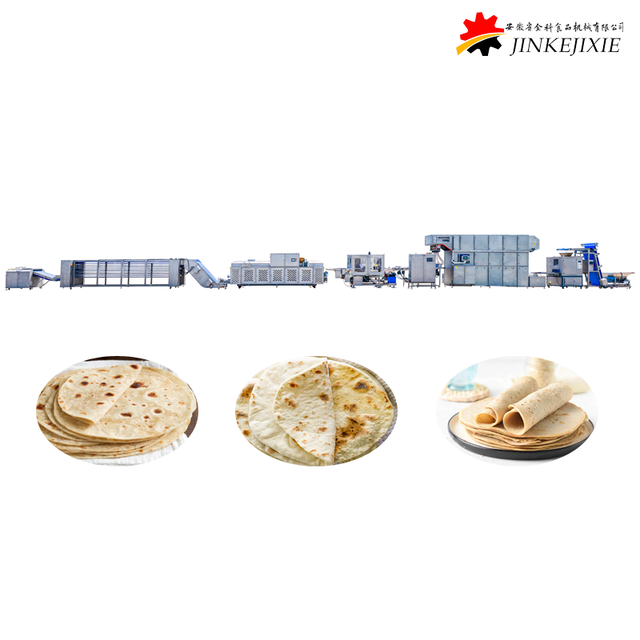
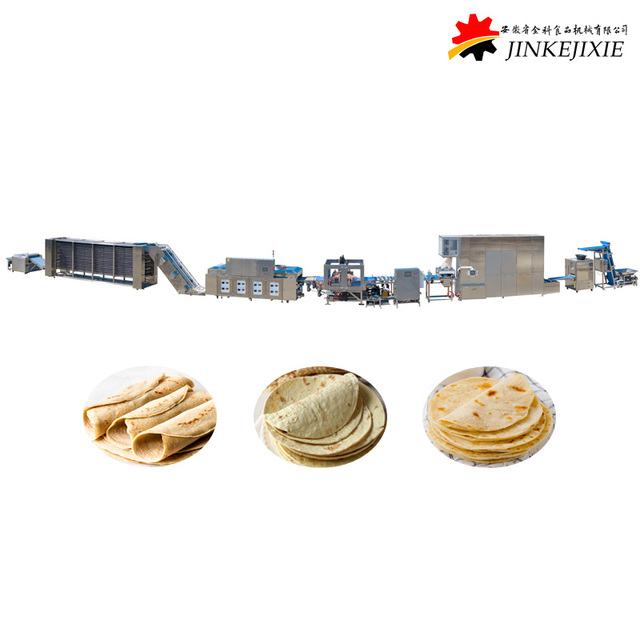
The commercial flatbread market is fracturing into two distinct, high-demand categories: flexible, wrap-style soft lavash (ideal for sandwiches and kebabs) and brittle, snack-style crispy lavash (positioned for dips, soups, and the cracker aisle). While traditional recipes rely on manual manipulation, scaling production requires translating delicate dough rheology and precise thermal profiles into automated, high-throughput machinery. Equipment configured for high-hydration soft flatbreads often fails to properly dehydrate crispy variants, leading to bottlenecks, product inconsistencies, and high waste. Evaluating an industrial Lavash Production Line requires looking beyond basic throughput metrics. This guide breaks down the mechanical, thermal, and operational configurations necessary to produce soft and crispy lavash at scale, helping plant managers and production engineers evaluate equipment capabilities and mitigate scale-up risks.
Hydration & Formulation Dictate Machinery: Soft lavash requires stress-free sheeting and non-stick transfer mechanisms to handle high-hydration, often fat-free doughs, whereas crispy lavash requires heavy-duty rollers and precise docking systems for lower-hydration or multigrain blends.
Thermal Profiling is the Primary Differentiator: Soft lavash relies on flash-baking (high heat, short dwell time) to retain moisture; crispy lavash requires multi-zone tunnel ovens for gradual dehydration.
Hybrid Lines Carry Trade-offs: While an automatic lavash flatbread line can be engineered to produce both variants, the modularity required increases initial CapEx, footprint, and changeover downtime.
Post-Bake Handling Impacts Yield: Cooling conveyors must be custom-configured—enclosed moisture-retention systems for soft lavash, and low-tension, fracture-resistant belts for crispy lavash.
Scaling flatbread production starts inside the mixing bowl. The physical properties of the dough dictate every mechanical setting downstream. Plant engineers must configure machinery to handle specific viscoelastic properties. You cannot force a stiff cracker dough through a line calibrated for wet, sticky wraps without causing severe equipment strain or product failure.
Hydration levels establish the mechanical stress limits of your dough. Soft lavash formulations typically demand 60% to 70% hydration. This high water content keeps the final product pliable and allows it to roll without fracturing. Crispy lavash requires a much drier mix, usually between 40% and 50% hydration. Water acts as a plasticizer in dough systems. Less water means a stiffer dough that resists sheeting and requires significantly more mechanical force to reduce to the target thickness.
Fat content introduces another mechanical variable. Traditional soft lavash recipes often omit oil or butter entirely. Fat naturally lubricates dough, reducing friction against metal surfaces. Without it, high-hydration dough becomes incredibly sticky. It adheres to transfer belts, reduction rollers, and cutting dies. Processing fat-free dough requires specialized synthetic belting and active flour dusting systems to prevent catastrophic line jams. Flour selection also plays a role. Soft lavash generally utilizes flour with an 11% to 12% protein content to build a strong, extensible network. Crispy variants often use lower protein flours (9% to 10%) to limit elasticity and promote a clean snap.
Mixing cycles determine the strength of the gluten network. Soft wrap-style lavash requires extended mixing durations. Operators typically run high-speed mixers for 5 to 7 minutes after the initial hydration phase. This aggressive mechanical action builds a smooth, highly extensible gluten structure. The dough must stretch without tearing during the multi-stage sheeting process. Temperature control during this phase is non-negotiable. Friction from extended mixing heats the dough, accelerating yeast activity. Facilities utilize jacketed mixing bowls circulating chilled water to maintain a dough temperature of 24°C to 26°C.
Crispy lavash demands the opposite approach. Snack-style crackers require minimal kneading. Over-mixing crispy dough develops too much elasticity. Elastic dough shrinks back after cutting, deforming on the oven band and leading to inconsistent packaging dimensions. Engineers program mixing cycles to hydrate the flour without fully developing the gluten matrix, often stopping the mixer as soon as a homogenous mass forms.
Success metrics depend entirely on the final SKU. Soft lavash requires specific internal moisture retention. If the crumb dries out, the bread cracks when consumers fold it around a filling. The baking process must blister the surface while trapping steam inside. The final moisture content for soft lavash typically hovers around 28% to 32%.
Crispy lavash requires near-total dehydration. The final product must achieve a distinct snap and a moisture content below 4%. Residual moisture destroys shelf stability and makes the cracker chewy instead of brittle. The oven must drive off almost all free water before the product reaches the cooling conveyor, requiring a completely different thermal profile.
Production managers face a constant battle between volume and texture. Pushing a line to maximum output often compromises the artisanal qualities of the flatbread. Faster band speeds require higher oven temperatures to achieve the same bake. This can lead to scorched edges and raw centers. Evaluating equipment requires finding the exact mechanical threshold where throughput peaks without degrading the crumb structure. Operators must map the thermal transfer rate of their specific dough against the maximum belt speed of the tunnel oven.
Modern flatbread manufacturing relies on continuous processing. Raw ingredients enter the mixer, and packaged flatbreads exit the cooling spiral. Each module in the system must synchronize perfectly with the adjacent equipment to maintain a continuous sheet of dough.
Industrial bakeries choose between continuous and batch mixing systems. Continuous mixers provide uninterrupted dough flow, feeding ingredients directly into a mixing barrel at a constant rate. They work well for massive, single-SKU operations. Batch mixers offer flexibility for facilities running multiple recipes. They allow operators to adjust hydration and resting times between batches, accommodating variations in ambient humidity or flour batches.
Extrusion presents a major risk to dough quality. Standard auger extruders force dough through a die using immense pressure. This pressure degasses the dough, destroying the open cell structure required for authentic lavash. High-quality lines utilize stress-free dough chunkers. These gravity-fed systems use gentle star rollers to portion the dough without compressing the gas pockets. The chunker feeds a continuous overlapping sheet onto the primary conveyor, maintaining the delicate internal structure.
Some facilities process continuous dough sheets, while others utilize calibrated dough balls. Lines processing individual balls require precision volumetric dividers. These dividers cut exact portions, often down to a 1-gram tolerance. Consistent portioning ensures uniform baking times across the entire oven band, preventing the smaller pieces from burning while larger pieces remain underbaked.
Replicating hand-stretching requires sophisticated engineering. A modern Armenian lavash machine uses a series of reduction rollers. The dough passes through multiple calibrating heads. Each head gently reduces the thickness of the sheet. A typical reduction ratio is 3:1 per pass. Forcing a higher reduction ratio tears the gluten network and damages the dough.
Cross-rollers provide lateral stretching. Traditional rollers only stretch dough in the direction of travel, creating unidirectional gluten alignment. The resulting bread tears easily in one direction. Cross-rollers utilize oscillating belts that sweep across the dough sheet. They stretch the gluten network in multiple directions, creating a stronger, more flexible final product that mimics the multi-directional pull of a human baker.
Tunnel ovens serve as the heart of the production line. Facilities typically choose between direct flame, impingement, and radiant heat systems. Direct flame ovens provide intense, immediate heat. They excel at blistering soft flatbreads. Radiant ovens offer slower, more penetrating heat, working well for dehydrating crackers.
Independent top and bottom heat controls are non-negotiable. Flatbreads bake rapidly. Operators must balance the bottom heat to set the base structure while adjusting the top heat to achieve the correct surface color. Without independent zones, the bread will either burn on the bottom or remain pale on top. Calibrating a new oven involves a strict sequence:
Establish the baseline band speed based on the target throughput.
Set the bottom burner temperatures to achieve base lift within the first 20% of the oven length.
Adjust the top burners in the final zone to achieve the desired surface blistering.
Modify the exhaust dampers to control the internal humidity of the baking chamber.
Conduct a moisture analysis on the finished product and refine the burner settings accordingly.
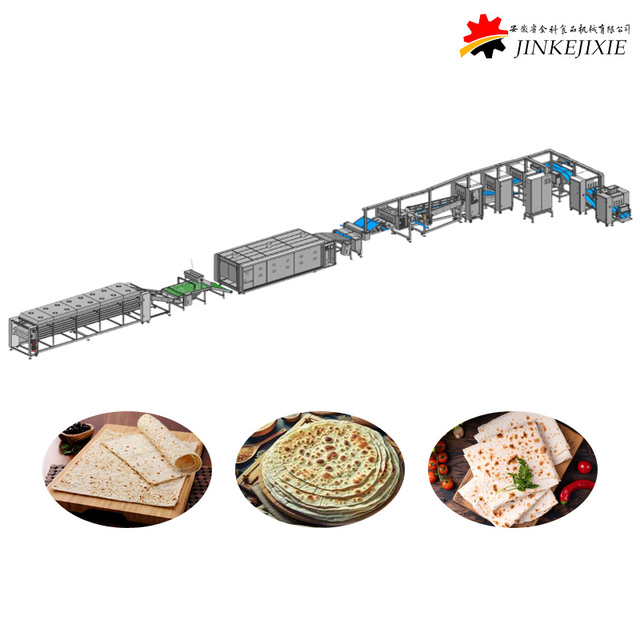
Producing flexible, high-hydration wraps requires specialized handling techniques. The equipment must manage sticky dough, apply intense heat quickly, and prevent moisture loss during cooling.
Wet, fat-free dough clings to stainless steel. You must configure the sheeting line to mitigate sticking. Flour dusters sit above the reduction rollers, applying a micro-layer of dusting flour to the dough sheet. This creates a dry barrier between the wet dough and the metal rollers. Operators must calibrate the dusters to apply the minimum amount of flour necessary; excess raw flour on the surface creates a bitter taste after baking.
Active scrapers sit against the calibrating heads. They continuously peel away any dough residue. If dough builds up on a roller, it will rip the passing sheet. These scrapers are typically machined from UHMW (Ultra-High Molecular Weight) plastic to prevent scoring the steel rollers. Transfer belts require synthetic, non-stick materials. Polyurethane belts with textured, diamond-patterned surfaces reduce the contact area, allowing the sticky dough to release cleanly into the oven.
Soft lavash requires flash-baking. The goal is to cook the dough before the internal moisture escapes. Tunnel ovens for soft lavash operate at extreme temperatures. Operators often set the baking chamber between 350°C and 450°C (660°F to 840°F). The burner arrays are positioned close to the oven band to maximize radiant heat transfer.
Dwell time remains incredibly short. The flatbread spends only 15 to 30 seconds inside the oven. The intense bottom heat rapidly expands the gases inside the dough, creating the characteristic bubbles and blisters. The short duration ensures the crumb remains moist and pliable. Exhaust dampers are typically kept mostly closed during soft lavash production to maintain a humid baking environment, which prevents the surface from drying out prematurely.
Post-bake handling dictates shelf life. Soft lavash exits the oven steaming hot. If you package it immediately, condensation forms inside the wrapper, leading to rapid mold growth. If you cool it too long in open air, the bread dries out and cracks.
Facilities utilize enclosed cooling spirals. These spirals drop the product temperature over 3 to 5 minutes while maintaining a humid microclimate. The bread cools without losing its internal moisture. Integration of modified atmosphere packaging (MAP) flushes the wrapper with a specific gas blend, typically 60% carbon dioxide and 40% nitrogen. This displaces oxygen, extending the shelf life of the soft flatbread to several months without relying on chemical preservatives.
Snack-style lavash requires a completely different mechanical approach. The line must crush stiff dough, prevent bubbling, apply dry toppings, and extract all ambient moisture during the bake.
Crispy dough lacks extensibility. It fights the reduction rollers. You must specify heavy-duty calibrators equipped with oversized motors and reinforced bearings. These rollers apply immense pressure to achieve ultra-thin dough sheets, often reducing the dough to 1.5mm. Multigrain flours compound this challenge. The bran particles in whole grains cut the gluten strands, making the thin sheet prone to tearing. Operators must monitor the gap settings closely to prevent shredding the dough.
Rotary dockers are critical for crispy lavash. A docker is a spiked roller that punches hundreds of tiny holes into the dough sheet. A standard configuration might feature 15 to 20 pins per square inch. Without docking, the thin dough will balloon inside the oven. Steam gets trapped between the top and bottom layers, creating a hollow pita shape. The docking holes allow steam to escape, keeping the cracker flat, dense, and uniform.
The premium snack market demands complex flavor profiles. Facilities integrate precision applicators just before the oven entrance. These dispensers drop sesame seeds, coarse sea salt, or spice blends onto the raw dough. The applicators use grooved rollers to ensure an even distribution across the entire width of the belt.
A light water spray often precedes the dispenser. This helps the dry toppings adhere to the low-hydration dough, preventing them from falling off during packaging. Recovery systems sit below the conveyor belt. They catch any seeds or spices that miss the dough sheet. These systems filter out dough scraps and recirculate the expensive toppings back into the hopper, minimizing ingredient waste and reducing operational costs.
Crispy lavash requires a slow, methodical dehydration process. Flash-baking will burn the outside of the cracker while leaving the inside chewy. Engineers design the thermal profile for lower temperatures and extended dwell times. The oven typically operates between 190°C and 250°C (375°F to 480°F), with the product remaining in the chamber for 2 to 4 minutes.
Multi-zone tunnel ovens allow operators to step down the heat. The first zone sets the dough structure. The middle zones drive out the moisture. The final zone toasts the surface to trigger the Maillard reaction for flavor development. Exhaust zones play a vital role. As water evaporates from the dough, it creates a humid boundary layer inside the oven. Aggressive exhaust fans pull this steam out of the baking chamber, allowing the cracker to dry completely.
Product loss often occurs after the bake. Crispy lavash shatters easily. Transitioning the brittle crackers from the steel oven band to the cooling conveyor requires precision engineering.
Drop heights must be minimized. A drop of even two inches can fracture the product. Engineers utilize zero-tension transfer plates. These plates bridge the gap between conveyors, allowing the crackers to slide smoothly without dropping. Alignment guides keep the product tracking straight. Any lateral pressure on the cooling belt will crush the edges of the flatbread before it reaches the packaging wrapper. The cooling belts themselves are often made from open-mesh plastic to allow maximum airflow around the product.
Plant managers must decide whether to install dedicated lines for each product or invest in a single, flexible system. Both approaches carry distinct mechanical and operational consequences that impact the factory floor.
An automatic lavash flatbread line can be engineered to produce both soft wraps and crispy crackers. However, this hybrid capability increases initial capital expenditure. The line requires modular components. Operators must be able to physically swap out docking rollers for smooth rollers. They need bypass conveyors to route soft lavash around the topping dispensers and water sprayers.
The oven presents the biggest engineering challenge. A hybrid oven must possess the burner capacity to hit 450°C for soft lavash, while also featuring the exhaust infrastructure to dehydrate crispy lavash at 200°C. This dual-purpose engineering requires sophisticated PLC controls, heavy-duty insulation, and variable-speed exhaust fans capable of handling massive swings in internal humidity.
Hybrid lines impact Overall Equipment Effectiveness (OEE). Switching from soft to crispy production requires significant downtime. Maintenance crews must clean the wet dough residue from the mixers and hoppers. They must install the heavy-duty reduction rollers and engage the rotary dockers. They must also reconfigure the packaging machines from MAP flow-wrapping to rigid tray loading.
Thermal changeovers take the longest. Dropping a tunnel oven from 450°C to 200°C can take up to four hours. The steel band and refractory bricks hold immense latent heat. Production cannot resume until the internal temperature stabilizes. Facilities running multiple changeovers per week will see a drastic reduction in total output volume compared to dedicated lines.
Facility layout dictates equipment choices. Dedicated soft lavash lines feature short, high-heat ovens. They consume less floor space, allowing for tighter factory layouts. Dedicated crispy lines require massive oven lengths to achieve the necessary dwell time for dehydration without slowing the belt to a crawl.
A hybrid line requires the extended footprint of a crispy oven, combined with the high-output burners of a soft oven. This maximizes both floor space requirements and utility connections. Plant engineers must verify that the facility can supply the necessary gas volume (measured in BTUs per hour) to fire the extended burner arrays during soft lavash production.
Comparison of Lavash Production Line Configurations |
|||
Configuration Metric |
Dedicated Soft Lavash Line |
Dedicated Crispy Lavash Line |
Hybrid Modular Line |
|---|---|---|---|
Dough Hydration Tolerance |
High (60-70%) |
Low (40-50%) |
Variable (Requires belt swaps) |
Oven Temperature Profile |
350°C - 450°C (Flash Bake) |
190°C - 250°C (Dehydration) |
Wide Range (High energy draw) |
Sheeting Mechanism |
Gentle, active scrapers |
Heavy-duty, high pressure |
Interchangeable calibrators |
Exhaust Requirements |
Low (Retain humidity) |
High (Extract moisture) |
Variable speed dampers |
Changeover Downtime |
Minimal (Recipe only) |
Minimal (Recipe only) |
High (Mechanical & Thermal) |
Scaling from a test kitchen to a continuous industrial line exposes hidden variables. Anticipating these mechanical and thermal risks prevents costly production delays during commissioning and daily operation.
Industrial mixers generate immense friction. This friction heats the dough. Warm dough ferments faster and becomes excessively sticky. A recipe that sheets perfectly at 20°C will tear constantly at 28°C, wrapping around the calibrating rollers and halting production.
Mitigate this risk by implementing jacketed mixing bowls. Chilled water circulates through the bowl walls, absorbing the friction heat and maintaining a constant dough temperature. Additionally, install automated resting conveyors between the mixer and the extruder. This allows the gluten network to relax after mixing, improving machinability and preventing the dough from shrinking during the sheeting process.
Wide oven bands suffer from lateral heat variations. The center of the band often runs hotter than the edges. This causes the flatbreads in the middle to burn while the outer rows remain underbaked, destroying yield rates.
Specify tunnel ovens equipped with lateral heat adjustment dampers. These dampers allow operators to push more heat to the edges of the baking chamber, balancing the thermal profile. Install continuous moisture monitoring sensors at the oven exit. These sensors scan the flatbreads and alert operators to any moisture gradients across the width of the belt, allowing for real-time burner adjustments.
High-speed production frequently outpaces downstream packaging equipment. A line producing 10,000 flatbreads per hour will quickly overwhelm manual stacking crews. If the wrappers jam, the cooling conveyor backs up, forcing operators to halt the oven and scrap the product inside.
Integrate automated vision systems before the packaging area. These high-resolution cameras scan every flatbread for size, shape, and color. They automatically trigger pneumatic rejecters to remove torn, folded, or burnt pieces. Feed the approved product into robotic pick-and-place systems. These delta robots stack the flatbreads perfectly, ensuring continuous flow into the horizontal wrappers and eliminating human bottlenecks.
Prioritize OEMs that offer modular sheeting lines and multi-zone tunnel ovens with verifiable case studies in high-hydration flatbreads.
Require vendors to conduct pilot plant testing using your specific flour and hydration formulations to validate both the mechanical sheeting limits and the thermal baking profiles before CapEx approval.
Audit your facility's gas and electrical infrastructure to ensure it can support the demands of high-heat flash baking or extended dehydration ovens.
Establish baseline moisture content metrics for your target SKUs to guide the factory acceptance testing (FAT) of the cooling and packaging modules.
A: Soft lavash requires flash-baking at 350°C to 450°C (660°F to 840°F) for 15-30 seconds. Crispy lavash requires lower temperatures, typically 190°C to 250°C (375°F to 480°F), with a longer dwell time to ensure complete dehydration.
A: Yes, but it requires a modular line design. Operators must be able to adjust oven band speeds, alter temperature zones, engage or disengage dough dockers, activate topping dispensers, and bypass specific cooling conveyors.
A: Because traditional soft lavash often omits oil or butter, lines utilize synthetic non-stick polyurethane belting. They also integrate automated flour dusters and active scrapers on the reduction rollers to maintain a dry barrier between the wet dough and the machinery.
A: Hydration depends entirely on the final product texture. Soft, flexible wrap-style lavash requires 60% to 70% hydration. Brittle, crispy snack-style lavash requires a much stiffer dough, typically ranging from 40% to 50% hydration.
A: Rotary dockers punch small holes into the dough sheet before baking. This allows steam to escape during the dehydration process. Without docking, the thin dough will balloon and separate into two layers, ruining the dense, cracker-like texture.
A: Soft lavash requires enclosed cooling spirals to retain internal moisture and prevent the bread from drying out and cracking. Crispy lavash requires open-air cooling on zero-tension belts to prevent the brittle crackers from shattering before packaging.