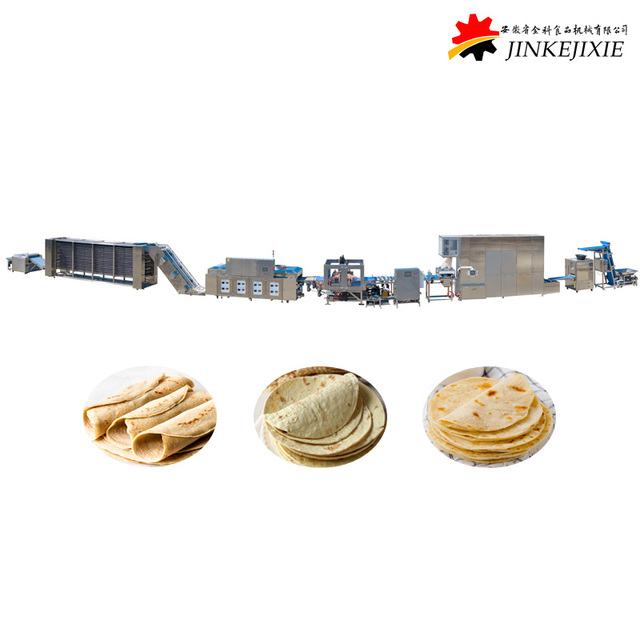
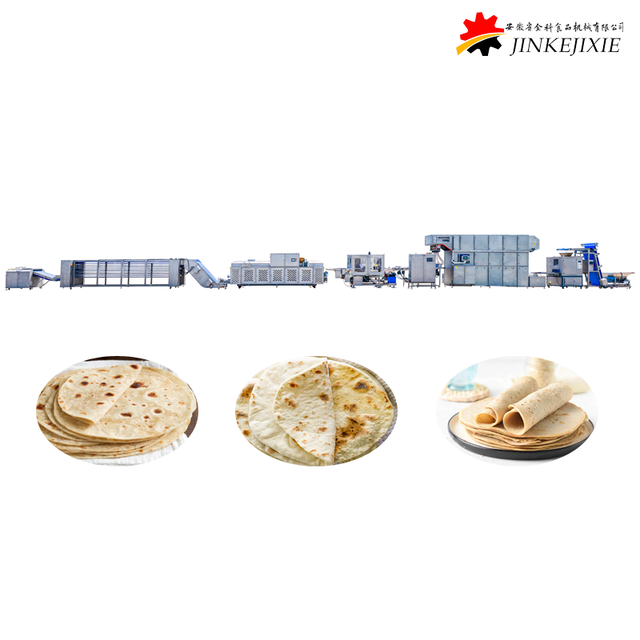
The tortilla production industry has experienced a significant transformation in recent years, thanks to the advancements in automation technologies. Automation is no longer a luxury, but a necessity for tortilla manufacturers looking to increase efficiency, improve product consistency, and reduce operational costs. With automated tortilla production lines, manufacturers can enhance the entire production process—from dough preparation to packaging—by reducing human error, speeding up production, and ensuring superior quality. In this article, we will explore the many ways automation improves tortilla production line performance and why it is a game-changer for the industry.
What Is Automation in Tortilla Production?
At its core, automation refers to the use of machines, controls, and technology to execute tasks that would typically require manual labor. In tortilla production, automation can involve anything from mixing ingredients and portioning dough to baking and packaging the final product. Automation is key to reducing labor costs, enhancing the speed and accuracy of production, and ensuring product consistency. By implementing automated systems into various stages of the production process, manufacturers can streamline their operations, increase throughput, and improve the quality of their tortillas.
Key Benefits of Automation in Tortilla Production
1. Improved Dough Preparation and Mixing
The dough preparation process is vital to the success of tortilla production. The texture and consistency of the dough determine the overall quality of the tortilla. Traditionally, dough mixing was a manual process that required skilled workers to measure ingredients, monitor the consistency of the dough, and adjust as needed. However, even with skilled labor, human error or inconsistent mixing could still occur.
How Automation Helps: Automated dough mixers can precisely control the mixing time, speed, and temperature, ensuring that each batch of dough has the right consistency. These automated systems also ensure that the right proportions of flour, water, salt, and other ingredients are used consistently, reducing the risk of human error. The result is a more consistent and higher-quality dough, which is the foundation of producing great tortillas.
2. Efficient Dough Portioning
Dough portioning is another critical step in tortilla production. When done manually, portioning dough can be inaccurate, leading to uneven sizes and weights. This inconsistency can affect the cooking process, resulting in tortillas that are too thick or thin, leading to uneven baking and texture. Furthermore, improper portioning can lead to excess waste as improperly sized dough portions might not cook properly.
How Automation Helps: Automated dough portioners accurately divide dough into precise portions with minimal waste. By using sensors and advanced programming, automated systems ensure that each portion is consistent, which ultimately results in uniform tortillas. This automated approach improves the overall efficiency of the production line and reduces unnecessary waste.
3. Consistent Pressing and Shaping
Shaping tortillas is one of the most critical steps in the production process. Manual pressing can result in irregularly shaped tortillas with varying thicknesses. Inconsistent tortilla shapes and thicknesses can affect the cooking process, which in turn impacts the overall texture and taste of the tortilla.
How Automation Helps: Automated tortilla presses apply uniform pressure to the dough, ensuring that each tortilla is the same thickness and size. These machines can also handle high-volume production runs without sacrificing quality. By reducing human error and eliminating variations in thickness, automated presses produce consistent results that enhance the overall quality of the tortillas.
4. Optimized Baking Process
The baking stage is where tortillas are transformed from dough into the final product. Temperature fluctuations or inconsistent baking conditions can result in poorly baked tortillas that lack the desired texture and softness. In a manual system, it can be challenging to maintain precise temperature controls, which can lead to uneven baking.
How Automation Helps: Automated baking systems incorporate sensors that monitor and regulate temperature, ensuring that tortillas are cooked evenly and consistently. Additionally, conveyor belts and other automated mechanisms control the movement of tortillas through the oven, allowing them to cook at the optimal temperature and for the right duration. Automated systems can even adapt to different sizes or thicknesses of tortillas to ensure consistent results across all batches.
5. Streamlined Cooling and Packaging
Once the tortillas are baked, they need to cool quickly to maintain their quality and texture. The cooling process must be managed carefully to prevent the tortillas from becoming soggy or losing their desired texture. Manual cooling systems are often slow and inefficient, which can negatively impact the shelf life of the tortillas.
How Automation Helps: Automated cooling systems use cooling tunnels and conveyor systems to rapidly cool tortillas, which prevents them from becoming soggy. Additionally, automated packaging systems can handle the packaging of tortillas into bags or wraps without the need for human intervention. These systems ensure that tortillas are sealed correctly, reducing the chance of contamination or spoilage.
Cost Savings and Operational Efficiency
The implementation of automation on tortilla production lines results in significant cost savings in the long run. Automated systems reduce the need for human labor in various stages of production, leading to reduced labor costs. With fewer workers required to operate the production line, businesses can cut back on labor expenses while still maintaining a high output.
In addition to labor savings, automation increases the speed and efficiency of production. With faster processing times, automated tortilla lines can produce more tortillas in a shorter amount of time. This higher throughput allows manufacturers to meet customer demand more effectively while keeping costs under control.
Improved Quality Control and Traceability
In a highly competitive market, maintaining consistent quality is critical. Automation systems are equipped with sensors and control systems that monitor every stage of production, ensuring that each tortilla meets strict quality standards. From the dough preparation to the baking process, automated systems provide real-time data that can help manufacturers identify and address any issues that arise during production.
How Automation Helps: Automation allows manufacturers to track every step of the production process, from raw ingredient sourcing to final packaging. This data can be used for quality control, identifying trends, and troubleshooting issues. Automated systems are also able to perform predictive maintenance, reducing the risk of unexpected breakdowns and unplanned downtime.
Flexibility and Scalability for Future Growth
Another advantage of automated tortilla production lines is their flexibility and scalability. As customer demands grow or change, automated systems can be reprogrammed to accommodate different tortilla sizes, flavors, or other variations. This adaptability allows manufacturers to quickly pivot and meet changing market conditions without requiring a major overhaul of the production line.
How Automation Helps: Automation systems can be easily reconfigured to handle different types of tortillas or adjust production speeds. This flexibility makes automated tortilla lines a great choice for businesses looking to expand their product offerings or ramp up production in response to increased demand.
Conclusion
The integration of automation into tortilla production lines has transformed the industry, enabling manufacturers to increase efficiency, improve product quality, and reduce costs. By automating key processes such as dough mixing, portioning, pressing, baking, and packaging, tortilla manufacturers can streamline operations and achieve greater consistency. Automation also offers the ability to scale production, improve quality control, and reduce labor costs. As technology continues to evolve, the future of tortilla production will undoubtedly rely on automation for even greater efficiency and innovation.
At AnHui JinKe Foodstuff Machinery Co., Ltd., we offer cutting-edge automated tortilla production lines designed to optimize your factory’s performance. Whether you're looking to upgrade your existing production line or install a brand-new system, our team of experts can help you achieve your goals and meet growing market demand.
For more information on how our automated solutions can transform your tortilla production, contact us today.
FAQ
Q: How does automation improve the consistency of tortilla production?
A: Automation ensures that every stage of production—such as dough mixing, portioning, pressing, and baking—is done with precision, resulting in uniform tortillas every time.
Q: Is automation suitable for small-scale tortilla production facilities?
A: Yes, automation can be tailored to suit the needs of small-scale operations, offering scalability and efficiency at every stage of production.
Q: How much can automation reduce production costs in tortilla manufacturing?
A: By reducing labor costs, increasing throughput, and minimizing waste, automation can significantly lower production costs over time.
Q: What kind of maintenance is required for automated tortilla production lines?
A: Regular maintenance includes inspecting and calibrating machines, checking for wear and tear, and ensuring sensors and controls are functioning properly to avoid production disruptions.