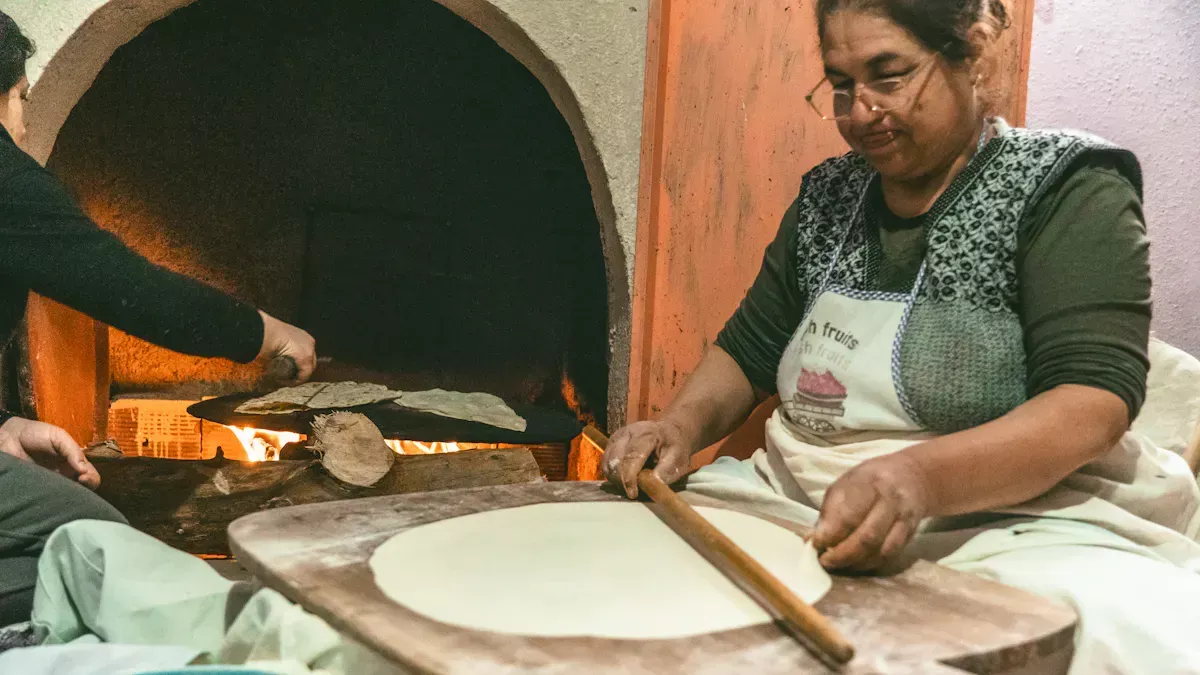
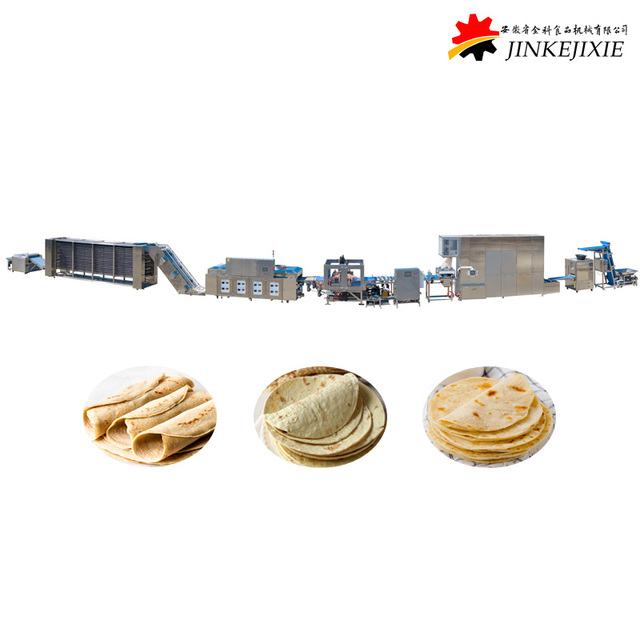
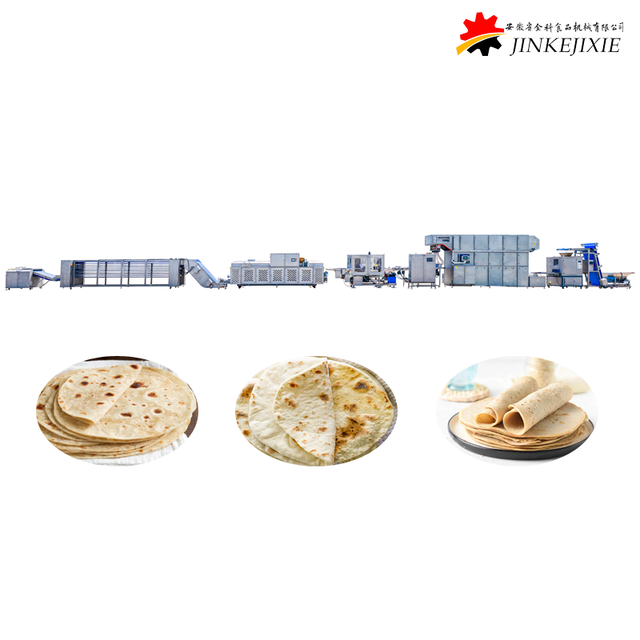
You see the corn tortilla production line turn simple corn into perfectly packaged tortillas using advanced machines. Each step in the tortilla-making process uses precise equipment to create consistent results. You watch as the tortilla moves from raw grain to a finished product, ready to enjoy.
Key Takeaways
Select high-quality corn to ensure the best tortilla texture and flavor. Look for firmness, elasticity, and uniform color.
Use automated machines for de-husking and kernel separation. This speeds up production and reduces waste.
Cook corn with lime to improve flavor and texture. This process also boosts nutritional value and helps with grinding.
Control soaking time and temperature to achieve the right masa consistency. Proper soaking prevents hard or sticky dough.
Choose the right nixtamalization equipment to enhance the nutritional quality of your tortillas. Advanced machines can reduce antinutritional factors.
Wash corn thoroughly to remove any alkaline residue. This step is crucial for avoiding off-flavors in your tortillas.
Press masa evenly for uniform thickness. This ensures consistent cooking and prevents burning or undercooking.
Implement automated packaging systems to maintain freshness and quality. Proper sealing and quality control protect your product until it reaches customers.
Corn Selection and Preparation
Choosing High-Quality Corn
You start the journey of making tortillas by choosing the right corn. The quality of your tortillas depends on the corn you select. When you look for corn, you want to make sure it meets several important standards:
Hardness: The kernels should feel firm and solid.
Elasticity: Good corn bounces back when pressed.
Color: Uniform color shows the corn is healthy and mature.
Integrality: Whole, unbroken kernels work best.
Overall sensory acceptance: The corn should look, smell, and feel fresh.
Tip: Many modern facilities use near-infrared (NIR) technology to check protein, moisture, and other key qualities in corn. This helps you make sure every batch meets strict standards.
You also want to use organic or non-GMO corn if you care about natural ingredients. Automated machines can test for starch damage and other factors, so you get consistent results every time. The hardness of the tortilla later depends on the corn’s strength, which experts measure with a puncture test. This test checks how much force it takes to break the tortilla, helping you predict the final product’s texture.
De-husking and Removing from Cob
Once you have selected your corn, you move to the first mechanical steps in the corn tortilla production line. You need to remove the husks and separate the kernels from the cob. In the past, people did this by hand, but now you can use machines that work much faster and more efficiently.
Automated de-husking machines speed up production and allow you to process large amounts of corn without stopping.
These machines create uniform kernels, which means your tortillas will have the same thickness and texture every time.
Mechanical systems also reduce waste. They portion the corn precisely and make fewer mistakes than manual methods, so you use your ingredients more efficiently.
Note: By using automated equipment, you not only save time but also make sure each tortilla meets high standards for quality and appearance.
With these steps, you set the foundation for the rest of the process. High-quality corn and efficient preparation help you achieve the best results as you move forward in making delicious tortillas.
Cooking and Nixtamalization
Cooking with Lime
You now move to one of the most important steps in the corn tortilla production line. You cook the corn with lime, also known as calcium hydroxide. This step changes the corn in ways you can see, taste, and even feel. When you add lime to the cooking water, you create an alkaline environment. This helps soften the endosperm, which is the main part of the kernel, and loosens the pericarp, or outer skin. You need this process to make the corn easier to grind and to improve the texture of your tortillas.
The science behind using lime is clear. Lime helps remove the pericarp, controls bacteria by raising the pH, and boosts the nutritional value of the corn. You get a softer, more flavorful dough. The process also keeps important nutrients in the corn, like protein and vitamins. You notice that the aroma and taste of the corn improve after this step.
Soaking and Resting
After you cook the corn with lime, you let it soak and rest. This step is just as important as cooking. You allow the kernels to absorb water and finish softening. The soaking time can change the final texture of your tortillas. If you soak the corn too little, the kernels stay hard. If you soak too long, the dough can become sticky.
You want to keep the temperature between 65 and 70 °C during cooking. This range helps the starch in the corn gelatinize, which means it swells and softens. You may see a second temperature peak around 100 °C, which relates to resistant starch. By controlling the time and temperature, you make sure the corn is ready for the next step.
Tip: Always check the texture of the kernels after soaking. They should feel soft but not mushy. This helps you get the best masa for your tortillas.
Nixtamalization Equipment
You need the right equipment to handle the cooking and nixtamalization process. Modern factories use machines that make the process faster and more consistent. The choice of equipment can change the nutritional quality of your tortillas. Some machines help reduce antinutritional factors, like phytates, and improve protein digestibility. You get tortillas with more vitamins and minerals when you use the best equipment.
Here is a table showing common types of nixtamalization equipment:
Equipment Type | Description |
Roller Machines | Shape corn tortillas into different sizes and forms, such as chips or tostadas. |
Hopper-fed Systems | Produce traditional styles of tortillas. |
Wheat Presses | Make flour tortillas. |
Multi-purpose Units | Handle both corn and wheat dough. |
Nixtamalization Mills | Prepare corn masa for tortillas. |
Dough Mixers | Mix ingredients for the dough. |
Cooking Griddles | Cook tortillas after shaping. |
You can find reliable nixtamalization equipment from brands like JinKe. They offer a range of machines for every step of the process. You can visit their website at https://www.tortilla-machine.com/ to learn more about their products.
The equipment you choose affects the digestibility and nutrition of your tortillas.
Nixtamalization can reduce antinutritional factors by up to 21%.
The right machines help you get tortillas with better protein, vitamins, and minerals.
By using advanced equipment, you make sure every tortilla meets high standards for taste, texture, and nutrition. You also improve the efficiency of your production line and reduce waste.
Washing and Masa Formation
Washing and Hull Removal
After you complete nixtamalization, you need to wash the corn thoroughly. This step removes the alkaline liquid, called nejayote, which forms during cooking. If you leave nejayote on the kernels, it can give your tortillas an unpleasant taste. You decant and discard the nejayote, then rinse the kernels with clean water. In an industrial setting, machines handle this process quickly and efficiently. These machines use water sprays and gentle agitation to wash away any remaining nejayote and loosen the hull, or pericarp.
You must remove the hull to get a smooth masa. Traditional methods use hand washing, but the corn tortilla production line uses mechanical washers. These machines separate the hull from the kernels without damaging them. You get clean, ready-to-grind corn that will produce high-quality masa.
Tip: Proper washing and hull removal help you avoid off-flavors and improve the texture of your tortillas.
Masa Formation Methods
Once you finish washing, you move to masa formation. Masa is the dough that forms the base for tortillas and many other products. You can use several methods to make masa, depending on your equipment and production needs. Each method has its own advantages.
Masa Formation Method | Description |
Traditional Systems | You use manual or semi-automatic processes. These methods take more time and require more hands-on control. |
Corn Flour Mixing Systems | You mix pre-processed corn flour with water. This method is fast but may not give you the same quality as fresh masa. |
Corn Masa Maker System | You use advanced machines to make fresh masa quickly. These systems save water and reduce costs. |
Extrusion | You push masa through a die to shape it. This method works well for making corn chips and other shaped snacks. |
Sheeting | You roll masa into flat sheets. You can then cut these sheets into tortillas or chips. |
Extrusion
Extrusion lets you shape masa by forcing it through a die. You use this method when you want to make products like corn chips or specialty snacks. The machine pushes the masa under pressure, creating uniform shapes and sizes. You can adjust the die to change the thickness or width of your product. This method works well for high-volume production because it is fast and consistent.
If you want reliable extrusion equipment, you can look for machines from JinKe. Their systems help you produce consistent masa shapes with minimal waste. You can find more information on their website.
Sheeting
Sheeting is the most common method for making tortillas. You roll the masa into thin, even sheets using rollers or sheeters. You then cut the sheets into circles or other shapes, depending on your product. Sheeting gives you control over the thickness and size of each tortilla. You can adjust the rollers to get the perfect texture.
Note: The moisture content of your masa is very important. If you keep the right amount of moisture, your tortillas will have a soft texture and a longer shelf life. Too much moisture can make the dough sticky and cause spoilage. Too little moisture can make the tortillas dry and brittle.
You can use automated sheeting machines from JinKe to improve your production line. These machines help you make tortillas that are uniform and high quality.
By following these steps, you ensure that your masa is clean, well-formed, and ready for pressing and baking. You set the stage for producing delicious tortillas that meet high standards for taste and texture.
Pressing and Shaping
Pressing for Uniform Thickness
You need to press your masa into flat, even rounds to make perfect tortillas. Uniform thickness is important because it helps each tortilla cook evenly and puff up just right. If you use a sturdy tortilla press, you can achieve the right thickness every time. This step also makes sure your tortillas have the same texture and taste in every batch.
Tip: Uniform thickness means your tortillas will not burn or stay raw in spots. You get the same results with every press.
You can choose from different types of pressing equipment. Each type has its own strengths and best uses. Here is a table to help you compare:
Type of Press | Characteristics | Ideal Use |
Manual Press | Simple design, sturdy, provides excellent pressure for even tortillas. | Home chefs, small batches |
Electric Press | More efficient, ideal for high-volume production, can press hundreds per hour. | Busy kitchens, restaurants |
Cast-Iron Press | Durable, preferred for consistent thickness. | Home and commercial use |
Aluminum Press | Lighter, easier to handle, but less durable. | Home use |
Wooden Press | Authentic, but may wear out faster. | Traditional settings |
When you use a tortilla press, you create tortillas that are thin and compact. This helps the heat spread evenly during baking. You avoid undercooked spots and get the right puff and chew in every bite.
Shaping Machines
After pressing, you need to shape your tortillas. Modern shaping machines make this step fast and accurate. These machines can handle a wide range of tortilla sizes, so you can make small or large tortillas with ease. You find features like screw feeders for even dough portioning and temperature controllers for precise baking.
Many shaping machines use PLC and touch screens for easy operation. Stainless steel parts keep the process clean and safe. Some machines use air cylinders to press the dough, which gives you stable and efficient results. You can run these machines automatically, which means less noise and higher output.
Note: Automatic heated presses help you control thickness and diameter. Compact tunnel ovens bake tortillas evenly. Adjustable conveyor speeds let you fine-tune baking time for the best quality.
Shaping machines transform manual work into a smooth, automated process. You can produce hundreds or even thousands of tortillas per hour. Automation also lets you check for metal pieces or wrong weights, so you keep your product safe and consistent. You reduce waste and improve quality with every batch.
If you want reliable shaping machines, you can look at JinKe’s products. Their equipment offers full automation, high efficiency, and easy cleaning. You can learn more about their solutions at https://www.tortilla-machine.com/.
By using the right pressing and shaping equipment, you make sure every corn tortilla meets high standards for thickness, size, and quality.
Baking and Cooling
Baking Methods
You reach the baking stage, where you transform pressed masa into finished tortillas. The baking method you choose affects the texture, flavor, and appearance of your tortillas. In industrial production, you find two main methods: hot-press and die-cut.
Method | Description |
Hot-Press Method | Accounts for over 90% of retail tortillas. Produces smooth, elastic, and slightly chewy tortillas. |
Die-Cut Method | Extrudes dough and cuts it into rounds. More cost-effective but may lead to shrinkage if too elastic. |
You often see the hot-press method in large factories. This method gives you tortillas with a soft, chewy bite. The die-cut method works well for high output and lower costs, but you must control dough elasticity to avoid shrinkage.
Direct Flame Baking
Direct flame baking uses open flames to cook tortillas quickly. You place the shaped dough on a moving belt that passes over gas burners. The high heat causes the tortillas to puff up and develop brown spots. This method creates a classic flavor and texture. You get tortillas that are flexible and have a slightly smoky taste.
Tip: Make sure you hydrate the flour properly and use warm water. This helps the tortillas puff up and gives them the right texture.
Other Heating Methods
You can also use electric or infrared ovens for baking. These ovens provide even heat and precise temperature control. Some factories use tunnel ovens, which move tortillas through a heated chamber. This method works well for consistent results and high-volume production.
Cooking tortillas in a hot skillet or oven ensures they puff up and become soft.
The addition of fats, such as lard or butter, can make tortillas more savory and enjoyable.
Proper hydration and baking time are key for the best texture.
Note: Using lard in the dough makes the flavor richer. Butter adds some savoriness, but not as much as lard. Olive oil does not improve the taste.
Cooling Conveyors
After baking, you must cool the tortillas before packaging. Cooling conveyors move the hot tortillas through a controlled environment. This step is important for quality and safety.
Role of Cooling Conveyors | Description |
Achieving uniform cooling | Ensures tortillas cool evenly, maintaining quality. |
Preventing condensation | Avoids moisture buildup that can affect texture. |
Preserving crust and crumb structure | Maintains the desired texture and integrity of the tortilla. |
You usually cool tortillas for 3 to 5 minutes. This allows moisture to spread evenly and lowers the temperature for safe handling. Proper cooling prevents mold growth and keeps the tortillas fresh.
If you want reliable baking and cooling equipment, you can explore options from JinKe at https://www.tortilla-machine.com/. Their machines help you achieve consistent results and high efficiency.
Remember: Uniform cooling keeps your tortillas soft and prevents sogginess. This step is essential for delivering high-quality corn tortillas to your customers.
Packaging in the Corn Tortilla Production Line
Automated Packaging
You reach the final stage of the corn tortilla production line, where packaging takes center stage. Automated systems handle this process with speed and accuracy. These machines stack tortillas, load them into trays, and prepare them for sealing. You see several important steps in modern factories:
Modified Atmosphere Packaging (MAP): The machine replaces oxygen inside the package with nitrogen and carbon dioxide. This step helps keep your tortillas fresh and prevents spoilage.
Thermoforming: The system stacks tortillas and loads them into a special chamber. Here, the air is removed, and MAP is applied to extend shelf life.
Flow Wrapping: The tortillas move through a feeding system and get wrapped in film. This method works quickly and matches well with MAP, making the process efficient.
You notice that these automated steps help you avoid stale products. Vacuum-sealed packs and resealable pouches are common choices. These packaging innovations keep your packaged finished tortilla soft and tasty for longer. If you want reliable packaging equipment, you can explore JinKe’s solutions at https://www.tortilla-machine.com/. Their machines support high-speed, hygienic packaging for every batch.
Tip: Automated packaging not only saves time but also reduces the risk of human error. You get consistent results and better product quality.
Sealing and Quality Control
After packaging, sealing becomes the next focus. Machines seal each bag tightly to lock in freshness. You rely on strong seals to keep out air and moisture. This step is critical for maintaining the quality of your tortilla until it reaches the customer.
You also see final inspections take place. Workers and machines check each package for problems. Sometimes, a piece of plastic or other material can fall into a batch. Metal detectors and alert employees help catch these issues before the product leaves the factory. For example, if someone finds a foreign object, they can stop the line and remove the affected batch. This careful inspection keeps your food safe and builds trust with your customers.
Sealing keeps tortillas fresh and prevents contamination.
Quality control checks catch any packaging errors or foreign objects.
Final inspections protect your brand and ensure only safe products reach the market.
Note: Longer shelf life and convenient packaging help your tortillas stay fresh during shipping and storage. Effective packaging solutions drive market growth and customer satisfaction.
You finish the process with a product that is ready for distribution. The right packaging ensures your corn stays fresh from the factory to the table. With advanced equipment and careful inspections, you deliver a high-quality packaged finished tortilla every time.
You have seen how each stage, from selecting corn to packaging, works together to create a high-quality tortilla. Automated systems help you reduce human error, keep food safe, and lower labor costs. You monitor ingredient quality, moisture, and texture to avoid common issues. Modern production lines let you handle large orders and keep every batch consistent. Automation and technology now make it possible for you to deliver safe, fresh products to your customers.
FAQ
What is nixtamalization, and why do you need it?
Nixtamalization softens corn and removes the hull. You soak and cook corn in limewater. This step improves nutrition and flavor. It also makes grinding easier for tortilla processing.
How does a corn masa maker help in production?
A corn masa maker automates dough preparation. You get consistent texture and moisture. This machine saves time and reduces manual labor. JinKe offers reliable corn masa maker equipment for your production line.
Can you use different types of corn for tortillas?
You can use white, yellow, or blue corn. Each type gives a unique flavor and color. Always choose high-quality corn for the best results.
How do you keep tortillas fresh after packaging?
You use airtight packaging and modified atmosphere technology. This process removes oxygen and helps prevent spoilage. Cooling tortillas before packaging also keeps them soft and fresh.
What safety checks happen during tortilla processing?
You use metal detectors and visual inspections. Machines and workers check for foreign objects or packaging errors. These steps protect your customers and your brand.
Why should you choose automated tortilla processing equipment?
Automation increases speed and consistency. You reduce human error and labor costs. JinKe provides advanced machines that improve efficiency and product quality. Visit https://www.tortilla-machine.com/ for more details.
How do you adjust tortilla thickness and size?
You set the rollers or presses to your desired thickness. Shaping machines let you choose different sizes. This flexibility helps you meet customer needs.
Can you make other products with the same equipment?
Yes, you can produce chips, tostadas, and other snacks. Many machines handle multiple shapes and sizes. Check JinKe’s website for multi-purpose solutions.