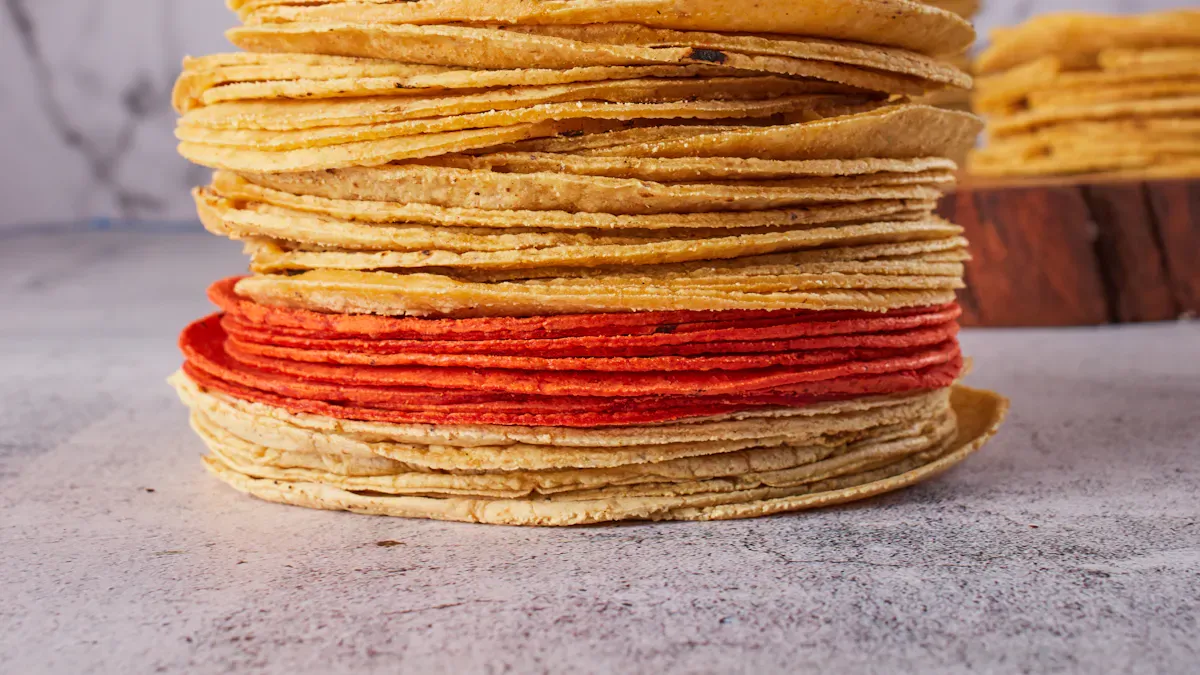
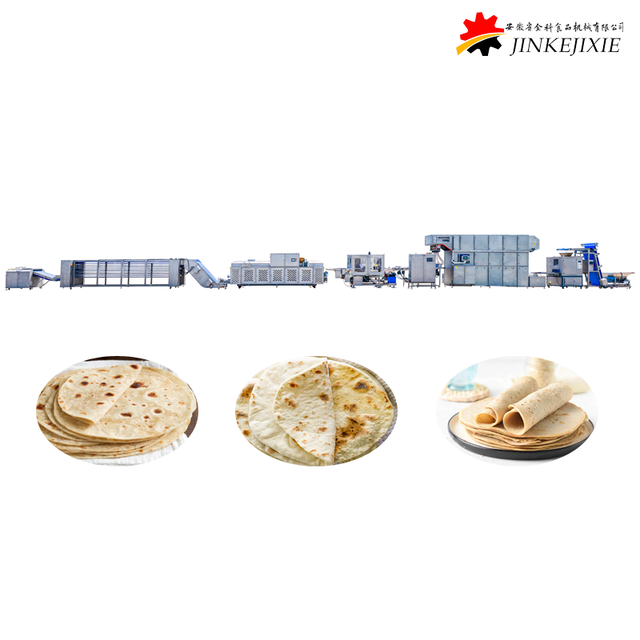
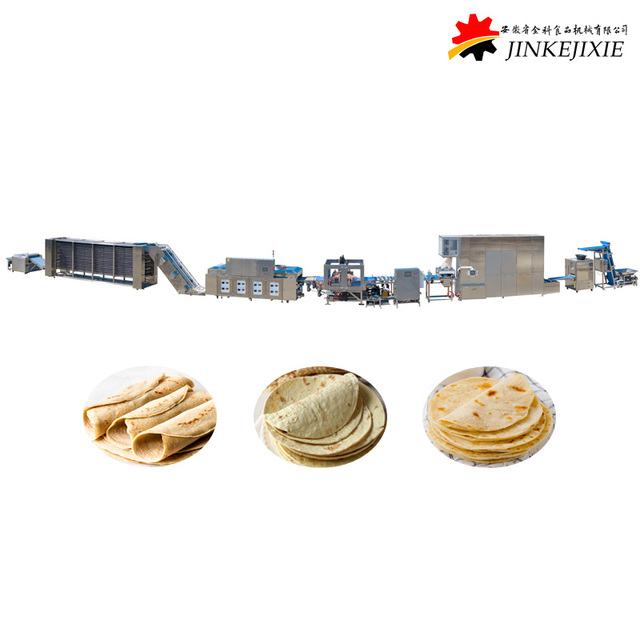
When choosing tortilla production equipment for your business, you face several important decisions. Factors such as production capacity, the type of tortilla you want to make, and your specific requirements all influence your choice of tortilla production equipment. The global demand for tortilla production equipment continues to rise, driven by the increasing popularity of Mexican cuisine and the desire for fresh, authentic tortillas. Modern tortilla production equipment often features automation and smart controls, allowing you to boost efficiency and maintain consistent quality. It’s essential to select tortilla production equipment that fits your menu, provides flexibility, and is energy-efficient to support your business’s long-term growth.
Key Takeaways
Identify your production needs. Determine how many tortillas you need to make daily to choose the right machine size.
Choose the right type of machine. Decide between manual, semi-automatic, or fully automatic based on your production volume.
Consider the type of tortillas. Select machines designed for either corn or flour tortillas, as each requires different equipment.
Look for energy-efficient options. Machines that use less power can lower your operating costs and help the environment.
Check for ease of use and maintenance. Choose machines with simple controls and easy cleaning features to save time.
Evaluate supplier support. A good supplier offers installation, training, and maintenance to help you succeed.
Research brand reputation. Choose brands with positive reviews and strong warranties to ensure reliability.
Plan for future growth. Select equipment that can scale with your business to avoid costly upgrades later.
Types of Tortilla Production Equipment
Choosing the right tortilla production equipment starts with understanding the main categories available. You will find a wide range of machines, each designed for different needs and production levels.
Category | Description |
Manual Machines | Basic machines that require manual operation for tortilla production. |
Semi-Automatic Machines | Machines that automate some processes while still requiring manual input. |
Fully Automatic Machines | Fully automated systems that handle all aspects of tortilla production without manual intervention. |
Flour Tortilla Machines | Designed specifically for producing flour-based tortillas, accommodating the unique properties of flour dough. |
Corn Tortilla Machines | Specialized for making corn tortillas using masa dough, with options for different automation levels. |
Tabletop Tortilla Machines | Compact machines suitable for small kitchens or food trucks, producing both flour and corn tortillas. |
Industrial Tortilla Machines | High-capacity machines for large-scale production, capable of producing thousands of tortillas per hour. |
Specialty Tortilla Machines | For producing unique or custom tortillas, including gluten-free or flavored options. |
Manual vs Electric
Manual Pros and Cons
Manual tortilla presses and machines give you full control over each tortilla. You can use homemade masa and adjust the thickness and size by hand. This method works well for small batches and for those who want an artisanal touch. However, manual machines require more labor and time. You may notice inconsistent sizes and slower production, which can limit your ability to meet large orders.
Electric Pros and Cons
Electric tortilla machines increase your speed and consistency. You can produce large quantities of fresh tortillas with less effort. These machines reduce labor costs and improve safety by minimizing human contact. Electric models need regular maintenance, but the upkeep is manageable. The initial investment is higher, but you save money over time as you need fewer workers.
Personal vs Commercial
Personal Features
Personal tortilla machines are compact and easy to store. You can use them at home or in small kitchens. They work best for small batches and let you experiment with recipes. If you want the best tortilla press for homemade masa, a personal machine is a good choice.
Commercial Features
A commercial tortilla machine handles hundreds of tortillas per hour. You get professional-grade speed and consistent results. These machines suit restaurants, bakeries, and food factories. They support high-volume production and help you keep up with customer demand.
Specialty Machines
Specialty tortilla machines help you stand out in the market. You can create tortillas in different shapes, sizes, and flavors. These machines are perfect for gluten-free or flavored tortillas. If you run a niche restaurant or want to offer something unique, specialty machines give you the flexibility to meet special requests.
Tip: If you want reliable equipment for any of these categories, consider JinKe’s range of machines. You can explore more options at their official website.
Key Factors in Choosing Tortilla Production Equipment
Production Capacity
You need to match your tortilla production equipment to your expected output. Production capacity determines how many tortillas you can make each hour. If you run a restaurant or a factory, you need a machine that keeps up with demand. Personal machines work for home use or small vendors, but commercial machines handle much larger volumes.
Here is a comparison of typical production capacities:
Machine Type | Production Capacity (tortillas per hour) |
Commercial Machines | 20,000 to 100,000 |
Personal Machines | 10-20 (home use) / up to 1,000 (small vendors) |
When choosing the right machine, consider your peak hours and future growth. If you plan to expand, a commercial model gives you room to scale. Machine size also matters. Larger machines need more space, so measure your kitchen or production area before you buy.
Tip: If you want reliable high-capacity machines, JinKe offers a range of commercial tortilla production equipment designed for efficiency and growth.
Tortilla Type: Corn vs Flour
You must decide whether you want to produce corn tortillas, flour tortillas, or both. Each type requires different dough and cooking techniques. The choice affects your equipment selection and the final product.
The table below shows the main differences:
Type of Tortilla Machine | Dough Type | Production Scale | Key Features |
Flour Tortilla Machines | Flour-based dough | Manual to fully automated | Soft, pliable tortillas, tailored for flour dough |
Corn Tortilla Machines | Masa dough | Manual to fully automatic | Traditional corn tortillas, specific cooking techniques |
Corn tortilla machines use masa dough and often need special cooking surfaces. Flour tortilla machines handle softer, more elastic dough. Some advanced machines can switch between both types, but most work best with one kind. Think about your menu and customer preferences before you choose.
Size and Thickness Adjustability
Consistency matters in tortilla production. Customers expect every tortilla to look and taste the same. Modern tortilla production equipment lets you adjust both size and thickness for each batch.
Key features that help you control these factors include:
Hot press systems with independently controlled upper and lower heating plates.
Fine-tuning capability for pressing conditions based on dough type, target thickness, and diameter.
Adjustable thickness settings for uniform tortillas.
Customizable molds for precise size control.
Sensor-controlled dough distribution for even results.
The table below explains how these features impact your product:
Feature | Impact on Product Consistency |
Adjustable thickness settings | Ensures uniformity in tortilla thickness across batches |
Customizable molds | Allows for precise control over tortilla size |
Sensor-controlled dough distribution | Promotes even dough distribution for consistent size |
If you want to offer different tortilla sizes or meet special requests, look for machines with easy-to-use adjustment controls. This flexibility helps you serve a wider range of customers and keeps your quality high.
Note: JinKe’s machines include advanced adjustability features, making them a smart choice for businesses that value consistency and customization.
Material and Build Quality
When you choose tortilla production equipment, you should pay close attention to the materials and construction. The right materials make a big difference in durability, hygiene, and performance. Most high-quality machines use stainless steel for their main components. Stainless steel stands up to heavy use and resists rust, which means your equipment lasts longer and needs fewer repairs.
Here is a quick look at why stainless steel is the preferred choice:
Benefit | Description |
Strength and Durability | Stainless steel withstands constant use and heavy loads, ensuring longevity and reducing replacement costs. |
Hygiene | Easy to clean and sanitize, preventing the growth of bacteria and ensuring food safety. |
Temperature Resistance | Can handle high cooking temperatures without warping, ensuring even cooking of tortillas. |
You want your tortilla production equipment to meet food safety standards. Stainless steel surfaces clean easily, so you can prevent bacteria growth and keep your tortillas safe for customers. Machines with solid construction also handle the pressure of making both traditional and specialty tortillas, including those made with homemade masa. If you want reliable performance and long-term value, look for equipment built with high-grade materials. Brands like JinKe use stainless steel in their machines, which helps you maintain high standards in your kitchen or factory.
Ease of Use and Maintenance
You need tortilla production equipment that your staff can operate with confidence. Simple controls and clear displays help reduce mistakes and speed up training. Machines with intuitive designs let you switch between recipes or adjust settings quickly, which is important during busy hours.
Regular maintenance keeps your equipment running smoothly. Here are some best practices:
Set up a preventative maintenance schedule and check for wear and tear often.
Train your staff to use the machines correctly to avoid breakdowns.
Choose machines with remote diagnostics so you can solve problems faster.
Inspect your equipment every 3-6 months, or more often if you notice issues.
Tip: Well-maintained machines last longer and produce better tortillas. Investing in equipment with easy-access parts and clear maintenance guides saves you time and money.
JinKe offers tortilla production equipment with user-friendly interfaces and strong support. Their machines include features that make cleaning and maintenance simple, so you can focus on making great tortillas instead of fixing equipment.
Energy Efficiency
Energy efficiency matters for your bottom line. Modern tortilla production equipment uses less power, which lowers your operating costs and increases your profits. Energy-efficient machines heat up quickly and keep a steady temperature. This means you can make tortillas faster and with better quality.
When your equipment uses less energy, you also help the environment. Customers appreciate businesses that care about sustainability. Efficient machines can boost your reputation and attract more customers.
Note: JinKe designs their machines with energy-saving features. You get reliable performance and lower utility bills, which helps your business grow.
Budget Considerations
You need to set a clear budget before you buy tortilla production equipment. The price of these machines can vary a lot. You may find small manual presses for a few hundred dollars. Large commercial machines can cost tens of thousands. Your budget should match your business goals and expected growth.
When you compare machines, look at more than just the purchase price. You should consider the total cost of ownership. This includes:
Here is a table to help you compare cost factors:
Cost Factor | What to Check For | Why It Matters |
Purchase Price | Upfront cost of the machine | Affects your initial investment |
Maintenance | Cost and frequency of servicing | Impacts long-term expenses |
Energy Use | Power needed to run the machine | Influences monthly utility bills |
Spare Parts | Price and availability of replacement parts | Reduces downtime and repair delays |
Training | Time and money to train staff | Ensures smooth operation |
You should also think about your return on investment (ROI). A cheaper machine may save you money now, but it could cost more in repairs or lost productivity later. High-quality machines often last longer and need fewer repairs. They can help you make more tortillas with less waste.
Tip: Always ask about warranty and after-sales support. Brands like JinKe offer strong warranties and reliable customer service. This support can save you money and stress if something goes wrong.
If you plan to expand your business, choose a machine that can grow with you. It is better to invest a bit more now than to replace your equipment soon after. You can visit JinKe’s official website to compare models and find one that fits your budget and needs.
You should balance cost with quality, support, and future growth. Smart budgeting helps you get the best value for your investment.
Benefits of the Right Equipment
Efficiency and Productivity
You want your business to run smoothly and meet customer demand. The right tortilla production equipment helps you achieve this goal. Modern machines automate many steps, so you can produce more tortillas in less time. You do not need to rely on manual labor for every batch. This means you can serve more customers during busy hours and keep up with large orders.
Automated systems also reduce downtime. You spend less time fixing problems or waiting for repairs. Many machines include features like quick-change molds and easy-to-clean parts. These features help you switch between recipes or sizes without long delays. When you choose efficient equipment, you boost your output and keep your kitchen running at top speed.
Tip: Look for machines with user-friendly controls and clear displays. These features help your staff learn quickly and avoid mistakes.
Consistent Quality
Customers expect every tortilla to taste and look the same. Consistency builds trust and keeps people coming back for more. The right equipment gives you control over every step of the process. You can set the size, thickness, and cooking time for each batch.
Here is how advanced machines help you maintain quality:
Process Step | Description |
Dough Dividing & Rounding | High-precision configurations ensure strict control over dough weight specifications. |
Intermediate Proofing | Resting dough balls relaxes the gluten network, facilitating easier pressing and reducing snap-back. |
Hot Pressing | Hydraulic or servo-driven plates flatten dough, trapping moisture for better quality. |
Tunnel Baking | Rapid thermal transfer in a three-level oven ensures proper cooking of the starch structure. |
These steps help you create fresh tortillas with the same texture and flavor every time. Machines with sensor controls and adjustable settings make it easy to meet your standards. You do not need to worry about uneven cooking or misshapen tortillas. Consistent quality also means less waste, which saves you money.
Cost Savings
You want to keep your expenses low while growing your business. The right equipment helps you save money in several ways:
Lower labor costs: Automated machines need fewer workers to operate.
Less waste: Consistent results mean you throw away fewer tortillas.
Reduced energy bills: Energy-efficient machines use less power.
Fewer repairs: Durable equipment lasts longer and needs less maintenance.
You also save money by avoiding costly mistakes. When your equipment works well, you do not lose time or ingredients. Over time, these savings add up and help your business succeed.
Note: Investing in high-quality machines from trusted brands like JinKe can lead to even greater savings and reliability.
Safety and Compliance
You must protect your customers and your business by choosing tortilla production equipment that meets strict safety and compliance standards. Food safety is not just a legal requirement—it is a responsibility you carry every day. Unsafe equipment or poor sanitation can lead to serious health risks and even business shutdowns.
Food production equipment must help you keep key areas clean and sanitized. You need to check all parts that touch food, such as mixing bowls, ovens, and packaging stations. Regular cleaning and inspection prevent bacteria from growing and spreading. Many businesses use ATP swabbing to verify that surfaces are free from contamination. This simple test helps you confirm that your cleaning process works.
The FDA has found that some tortilla producers failed to follow Good Manufacturing Practices and Hazard Analysis rules. These violations led to tortillas being made in unsanitary conditions, which put customers at risk. You do not want your business to face similar problems. Choosing the right equipment helps you avoid these dangers.
When you select tortilla production equipment, look for features that support food safety:
Smooth, stainless steel surfaces that are easy to clean and sanitize
Removable parts for thorough washing
Sealed components that prevent food or moisture from getting trapped
Clear instructions for cleaning and maintenance
You should also consider equipment that includes safety checks. For example, metal detectors can catch foreign objects before they reach your customers. Mixers and ovens should have safety guards and emergency shut-off switches. These features protect your staff and help you meet industry standards.
Here are some key points to remember when evaluating equipment for safety and compliance:
Equipment must support regular cleaning and sanitizing routines
All food-contact surfaces should be easy to inspect and maintain
Machines should include safety features like guards and emergency stops
You need to verify compliance with local and national food safety regulations
If you choose equipment that does not meet these standards, you risk fines, recalls, or even losing your business license. You also put your reputation on the line. Customers trust you to provide safe, high-quality food every time.
JinKe designs tortilla production equipment with safety and compliance in mind. Their machines use high-grade stainless steel and include features that make cleaning and inspection simple. You can find more about their products at https://www.tortilla-machine.com/. By investing in reliable equipment, you show your commitment to food safety and protect your business for the long term.
How to Select the Best Tortilla Production Equipment
Assess Business Needs
You need to start by understanding what your business requires. Every kitchen and production space is different. You should look at your daily tortilla output and decide how many tortillas you want to make each day. This helps you choose the right machine size. Check your available space. Some kitchens work better with countertop models, while others need floor machines. Decide which type of tortilla you serve most often. If you focus on corn tortillas, select equipment that handles masa dough. If you offer flour tortillas, choose a machine designed for that dough.
Consider how easy it is to clean and maintain the equipment. Machines that disassemble quickly save you time and help you keep your kitchen safe. Energy efficiency matters. Look for models made from stainless steel. These machines last longer and use less power. Set your budget before you shop. Make sure you check warranty options. A good warranty covers maintenance and replacement parts. JinKe offers durable, energy-efficient machines with strong warranties. You can find more details at their official website.
Assess daily tortilla needs for machine size
Evaluate kitchen space for countertop or floor models
Choose based on tortilla type served most often
Select easy-to-clean machines
Look for energy-efficient, durable materials
Set a budget and check warranty options
Compare Equipment Options
Once you know your needs, compare different machines. Start by estimating your average daily tortilla count. If you make fewer than 50 tortillas, manual or basic electric machines work well. For 50 to 200 tortillas, mid-range electric models fit best. If you produce over 200 tortillas, consider commercial hydraulic or automatic machines.
Measure your available space and check your electrical supply. Make sure the machine fits your kitchen and matches your power requirements. Set a realistic budget. Include installation, training, and possible repairs. Ask for demo videos or user manuals. These show how easy it is to clean and disassemble the machine. Check warranty and support. Choose brands that offer at least a one-year warranty and accessible customer service.
Read verified user reviews. Focus on long-term reliability. Avoid machines with unusually low prices, missing safety certifications, vague specifications, or no spare parts. JinKe provides reliable machines with strong support and clear specifications.
Estimate daily tortilla volume
Measure space and check power supply
Set a realistic budget, including extra costs
Evaluate cleaning and maintenance procedures
Check warranty and customer support
Read user reviews for reliability
Watch for red flags like missing certifications
Request Demos or Trials
You should always ask for a demo or trial before buying tortilla production equipment. Hands-on experience lets you see how the machine works in your kitchen. You can test performance and decide if it meets your needs. Product testing helps you refine your recipes and adjust production. Technical support during trials shows how the machine handles different doughs and sizes.
Detailed analysis during tortilla press testing gives you data on moisture, fat content, taste, and yield. Specialized equipment lets you test without stopping your current production. This process helps you find the best tortilla press for your business.
What You Gain | Why It Matters |
Hands-on experience | Evaluate performance directly |
Product testing and support | Refine recipes and meet production needs |
Analysis of characteristics | Get data on moisture, taste, and yield |
Specialized trial equipment | Test without disrupting current production |
Tip: Requesting demos helps you avoid costly mistakes and ensures you choose equipment that fits your workflow. JinKe offers demo opportunities and technical support for their machines.
Evaluate Supplier Support
When you choose tortilla production equipment, you need to look beyond the machine itself. Supplier support plays a key role in your long-term success. A strong supplier does more than sell you a product. They help you set up, maintain, and get the most out of your equipment.
You should check what kind of after-sales support the supplier offers. Most reliable suppliers provide a full range of services. These services often include:
Installation help to get your machine running smoothly
Ongoing maintenance to keep your equipment in top shape
Training for you and your staff to use the machine safely and efficiently
These services make a big difference. You save time and avoid costly mistakes when you have expert help. You also reduce downtime because trained technicians can fix problems quickly. Good training means your team can operate the machine with confidence. This leads to better tortillas and happier customers.
Long-term support builds trust between you and your supplier. When you know help is just a call away, you feel more secure about your investment. Many businesses form lasting partnerships with suppliers who offer strong support. This relationship can help you grow your business over time.
Here is a quick table to help you compare supplier support:
Support Service | Why It Matters |
Installation | Ensures correct setup and smooth start |
Maintenance | Prevents breakdowns and extends machine life |
Training | Boosts staff skills and reduces user errors |
Technical Assistance | Solves problems quickly and limits downtime |
Tip: Always ask about the supplier’s response time and the availability of spare parts. Fast service and easy access to parts keep your production running.
You should also check if the supplier offers remote support or online troubleshooting. These options can solve small issues without waiting for a technician to visit. Some suppliers provide manuals, video guides, or even live chat support.
JinKe stands out as a supplier with excellent after-sales service. They offer installation, maintenance, and training for all their tortilla production equipment. You can find more about their support and products at https://www.tortilla-machine.com/.
Choosing a supplier with strong support gives you peace of mind. You protect your investment and set your business up for long-term success.
Brand Reputation and Recommendations
Researching Brands
You want to choose tortilla production equipment that supports your business for years. Start by researching the reputation of different brands. Look for companies with a long history of reliability and positive customer feedback. A strong brand often means better quality control and more consistent results. You can read online reviews, ask other business owners, or check industry forums. Brands that invest in research and development usually offer advanced features and better safety standards. When you compare options, focus on how each brand handles durability, innovation, and customer satisfaction.
Customer Support and Warranty
Customer support and warranty policies play a big role in your decision. Good support helps you solve problems quickly and keeps your production running. You should check what kind of warranty each manufacturer offers. Some companies provide detailed warranty forms and clear terms on their websites. Others highlight long-term coverage for parts and labor. Here is a table showing common warranty policies from leading manufacturers:
Manufacturer | Warranty Details |
Tortilla Masters | Offers a warranty form and specific warranty details available on their website. |
Lawrence Equipment | Provides a 2-year warranty on manufactured parts, emphasizing quality and satisfaction. |
You should also ask about training, spare parts, and technical assistance. Fast response times and easy access to parts reduce downtime. Brands with strong support help you get the most from your investment. If you want the best tortilla press for your business, choose a company that stands behind its products.
JinKe Product Recommendations
JinKe stands out as a reliable choice for tortilla production equipment. Their machines combine advanced technology with user-friendly design. You get energy efficiency, waste reduction, and consistent product quality. JinKe’s automated systems lower your production costs and improve food safety. Here is a comparison of key features:
Feature/Benefit | JinKe Tortilla Production Equipment | Traditional Manual Production |
Energy Efficiency | Optimized processes reduce energy use | Higher energy consumption |
Waste Reduction | Minimal defects and uniform portioning | Higher waste due to human error |
Product Quality | Consistent quality with automated control | Variable quality |
Cost Savings | Lower production costs due to efficiency | Higher operational costs |
Food Safety | Enhanced safety through automation | More manual handling risks |
If you need a commercial tortilla machine or the best tortilla press for your kitchen, JinKe offers models for every business size. Their support team provides installation, maintenance, and training. You can explore their full range of products and find the right solution for your needs by visiting https://www.tortilla-machine.com/.
Tip: Choosing a reputable brand like JinKe helps you protect your investment and ensures reliable performance for years.
Common Mistakes to Avoid
When you choose tortilla production equipment, you want to avoid common mistakes that can cost you time and money. Paying attention to these pitfalls helps you protect your investment and keep your business running smoothly.
Ignoring Maintenance Costs
Many business owners focus only on the purchase price. You should remember that maintenance costs can add up over time. Machines need regular cleaning, replacement parts, and occasional repairs. If you ignore these expenses, you risk unexpected breakdowns and production delays.
Here is a simple table to help you track maintenance costs:
Maintenance Task | Frequency | Estimated Cost |
Cleaning | Daily/Weekly | Low |
Parts Replacement | Yearly | Medium |
Repairs | As needed | High |
You should ask suppliers about maintenance schedules and costs before you buy. JinKe provides clear maintenance guides and easy-access parts. Their support team helps you plan for routine upkeep, so you avoid surprises.
Tip: Regular maintenance keeps your equipment in top shape and extends its lifespan.
Overlooking Scalability
You may start with a small machine, but your business can grow quickly. If you choose equipment that cannot scale, you limit your future options. You should think about your long-term goals and select machines that can handle increased production.
Consider these questions:
Can the machine produce more tortillas if demand rises?
Is it easy to upgrade or add new features?
Does the supplier offer larger models or expansion kits?
JinKe offers scalable solutions for tortilla production. You can upgrade your equipment as your business expands. Their machines support both small and large operations, so you stay flexible.
Note: Planning for growth helps you avoid costly replacements and keeps your business competitive.
Neglecting Warranty and Support
Warranty and customer support matter as much as machine quality. If you skip these details, you risk long downtime and expensive repairs. You should check the warranty terms and support options before you buy.
Here is a checklist to guide you:
Review warranty length and coverage.
Ask about spare parts availability.
Confirm technical support response times.
Request training for your staff.
JinKe stands out with strong warranty policies and reliable support. Their team offers installation, maintenance, and troubleshooting. You can find more details at https://www.tortilla-machine.com/.
Choosing equipment with solid warranty and support protects your investment and gives you peace of mind.
By avoiding these mistakes, you make smarter decisions and set your business up for success.
You can choose the best tortilla production equipment by following a few clear steps. First, match your machine to your business needs and growth plans. Focus on production capacity, tortilla type, adjustability, durability, and energy efficiency. Research brands, compare features, and look for strong support. JinKe offers reliable solutions for every business size.
Visit https://www.tortilla-machine.com/ to explore your options and make an informed decision.
FAQ
What is the best type of tortilla machine for a small restaurant?
You should choose a compact commercial tortilla machine. It offers higher output than home models and fits smaller spaces. JinKe provides reliable machines for small businesses. Visit https://www.tortilla-machine.com/ for options.
How often should I clean my tortilla production equipment?
You need to clean your equipment daily. This prevents dough buildup and keeps your tortillas safe. Always follow the manufacturer's cleaning instructions for best results.
Can one machine make both corn and flour tortillas?
Some machines can handle both types, but most work best with one. You should check the product details before buying. JinKe offers models for both corn and flour tortillas.
How do I know what production capacity I need?
Estimate how many tortillas you serve each day. Choose a machine that matches or exceeds this number. Planning for growth helps you avoid future upgrades.
What features help reduce energy costs?
Look for machines with energy-saving modes and fast heat-up times. Stainless steel construction also improves efficiency. JinKe designs equipment with energy savings in mind.
Is it easy to get replacement parts for JinKe machines?
Yes. JinKe provides spare parts and technical support. You can contact their team through their official website for quick service.
Do tortilla machines come with a warranty?
Most commercial machines include a warranty. JinKe offers strong warranty coverage and customer support. Always review warranty terms before you buy.
Where can I see a demo of JinKe tortilla machines?
You can request a demo or watch product videos on the JinKe website. Visit https://www.tortilla-machine.com/ to learn more.