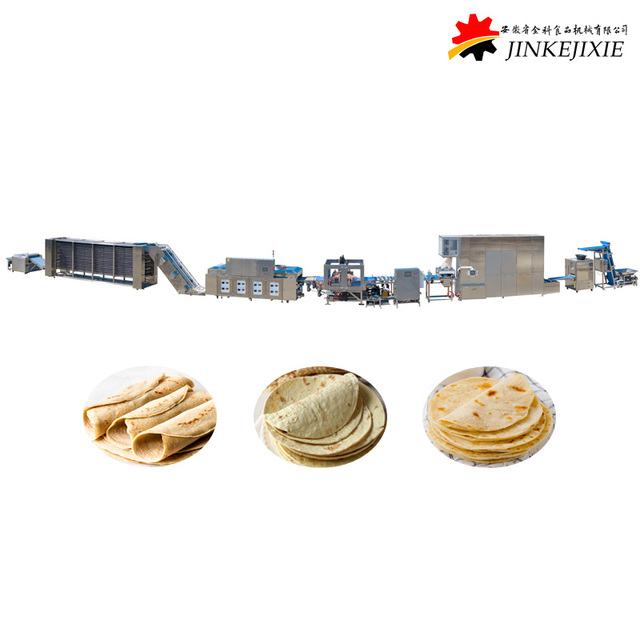
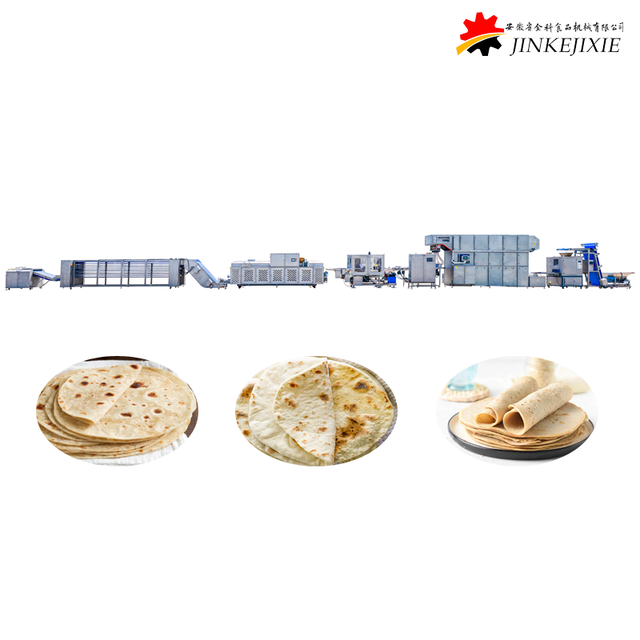
In the ever-evolving world of food production, technology has become a game-changer, offering solutions that increase efficiency, consistency, and scalability. The tortilla production industry, in particular, has witnessed significant advancements in recent years, thanks to the integration of innovative technologies into production lines. From automation to digital monitoring, these advancements have allowed manufacturers to not only streamline their processes but also deliver higher-quality products at faster rates.
This article explores how technology enhances the output of modern tortilla production lines, focusing on key innovations and their impact on efficiency, quality, and overall business performance.
The Role of Technology in Tortilla Production
The tortilla-making process, which involves several key steps such as dough preparation, shaping, baking, and packaging, traditionally relied on manual labor. While human involvement is still important in some aspects, technological innovations have revolutionized how tortilla production is conducted.
How Technology Has Transformed Tortilla Production:
Automation: Automation has replaced many manual processes, offering more consistent and reliable production methods.
Digital Monitoring and Control Systems: These systems help manage and monitor every stage of production, ensuring optimal conditions for each step.
Data Analytics: By collecting data from the production line, manufacturers can optimize operations and identify areas for improvement.
Advanced Materials: The use of high-performance materials in machinery increases reliability and reduces maintenance costs.
Energy Efficiency: New energy-saving technologies in production systems reduce overall costs and environmental impact.
Now, let’s dive deeper into the specific ways technology is enhancing tortilla production.
1. Automation: The Backbone of Modern Tortilla Production
Automation is one of the most transformative aspects of modern tortilla production. It plays a crucial role in replacing labor-intensive tasks, such as dough mixing, portioning, pressing, and packaging. By automating these processes, tortilla manufacturers can achieve higher production speeds, reduce human error, and maintain a consistent level of quality.
Automated Dough Mixing and Portioning
Dough preparation is the first and most important step in tortilla production. Automated dough mixers and portioners ensure that the dough is consistently mixed and portioned with the correct ingredients and measurements. Automated systems can also control the mixing time, speed, and temperature, which is critical for creating the perfect dough.
The portioning system ensures uniformity in the size and weight of each dough ball, preventing overproduction or underproduction of tortillas. This level of precision reduces waste and improves the overall efficiency of the production line.
Automated Pressing and Shaping
The shaping process is equally important, and automated tortilla presses ensure that tortillas are pressed to the desired thickness and size. These machines provide uniform pressure to the dough and can easily adjust to different tortilla sizes, which eliminates the inconsistency that manual pressing often causes. Automation in this step guarantees that every tortilla is the same thickness, leading to more even baking and a better end product.
2. Digital Monitoring and Control Systems
To ensure that production processes run smoothly, modern tortilla production lines often come equipped with digital monitoring and control systems. These systems provide real-time data on various factors such as dough temperature, mixer speed, and the baking process. By monitoring these parameters continuously, manufacturers can make immediate adjustments when needed.
For example, if the dough temperature deviates from the optimal range, the system will alert the operator to make necessary adjustments before it affects the final product. These systems also enable predictive maintenance, where potential equipment failures can be identified before they cause significant disruptions.
Key Benefits of Digital Monitoring:
Increased precision: Continuous monitoring ensures each batch meets the required standards.
Reduced downtime: Operators can address potential issues before they cause equipment breakdowns.
Efficiency optimization: Data collected helps manufacturers make process improvements, enhancing the overall production flow.
3. Data Analytics and Process Optimization
One of the most significant advantages of technological integration is the ability to collect and analyze data. By implementing data analytics software, tortilla manufacturers can gather critical information from every stage of production. This data can be used to optimize the entire production line.
For example, by analyzing the time it takes to complete each stage of the process, manufacturers can identify bottlenecks and implement changes to reduce delays. Data analytics also helps in predicting future demand, enabling manufacturers to better align their production output with market needs.
The Power of Data Analytics in Tortilla Production:
Improved process efficiency: Real-time data allows manufacturers to optimize production times and prevent delays.
Predictive analysis: By analyzing trends, manufacturers can anticipate demand and adjust production schedules accordingly.
Quality assurance: Consistent data tracking ensures that tortillas meet quality standards and that any anomalies are addressed quickly.
4. Energy-Efficient Technologies in Tortilla Production
In the past, energy consumption in food production lines was a significant expense. However, modern tortilla production lines feature energy-efficient systems that help reduce both energy costs and environmental impact. Automated systems, combined with advanced baking ovens and dough mixers, use less power while maintaining optimal performance levels.
Energy-efficient technologies often include:
Variable frequency drives that optimize motor speeds to match the specific needs of the production line.
Energy-efficient motors that consume less electricity while operating at high performance.
Advanced heat recovery systems in ovens that capture and reuse heat, reducing energy waste.
By reducing energy consumption, manufacturers can not only lower operational costs but also meet sustainability goals and contribute to environmental conservation.
5. High-Performance Materials and Advanced Machinery
The use of high-quality, durable materials in machinery also plays a role in increasing the efficiency of the tortilla production line. Modern machines are designed to withstand high levels of heat, moisture, and pressure, ensuring longer lifespans and reducing the need for frequent maintenance.
In addition, the adoption of precision-engineered components enhances the reliability of automated systems. High-performance materials reduce wear and tear, leading to fewer breakdowns and costly repairs. This translates into higher production uptime and lower maintenance costs.
Advantages of Advanced Materials in Tortilla Production:
Durability: Machines last longer, reducing the need for replacements and repairs.
Reliability: High-quality materials help avoid breakdowns, improving consistency and reducing downtime.
Cost savings: Reduced maintenance costs contribute to better long-term profitability.
6. Improved Packaging and Distribution Efficiency
The final step in tortilla production involves packaging and distribution. Automation plays a crucial role here as well, especially with the use of automated packaging machines that are capable of sealing and labeling tortillas at a faster pace. These systems ensure that tortillas are securely packaged, preventing contamination or spoilage.
Automated packaging lines can also integrate labeling and barcode scanning, ensuring accuracy in inventory and traceability for product distribution. This makes it easier to manage large-scale production and distribution operations, improving the overall efficiency of the supply chain.
Benefits of Automated Packaging:
Faster packaging speeds: Automated systems can handle high volumes of tortillas, reducing bottlenecks.
Accurate labeling: Automation ensures correct labeling and barcode scanning for inventory and logistics management.
Consistent quality control: Automated packaging reduces the risk of human error during the packaging process.
Conclusion
The integration of technology into tortilla production lines has dramatically improved efficiency, consistency, and scalability. From automation in dough preparation and shaping to advanced digital monitoring and energy-efficient systems, technology has become a vital part of the tortilla manufacturing process.
Manufacturers who embrace these technologies not only reduce costs but also produce high-quality products at faster rates, making them more competitive in a rapidly growing market. Furthermore, technology offers new opportunities for data-driven decision-making, predictive maintenance, and process optimization, helping businesses stay ahead of the curve.
At AnHui JinKe Foodstuff Machinery Co., Ltd., we specialize in providing state-of-the-art tortilla production line solutions that incorporate cutting-edge technology. Whether you're upgrading your existing line or setting up a new one, our team is ready to help you optimize your tortilla production for maximum efficiency and profitability.
FAQ
Q: How can automation improve tortilla production efficiency?
A: Automation streamlines key processes like dough mixing, portioning, and baking, reducing human error, improving consistency, and speeding up production.
Q: What are the benefits of using data analytics in tortilla production?
A: Data analytics helps manufacturers optimize production, identify bottlenecks, predict demand, and ensure consistent quality control.
Q: Is it expensive to upgrade to an automated tortilla production line?
A: While the initial investment can be significant, the long-term benefits in terms of efficiency, quality, and cost savings make it a worthwhile investment.
Q: Can automated systems handle different types of tortillas?
A: Yes, automated production lines are adaptable and can be reprogrammed to handle different sizes, thicknesses, and types of tortillas.