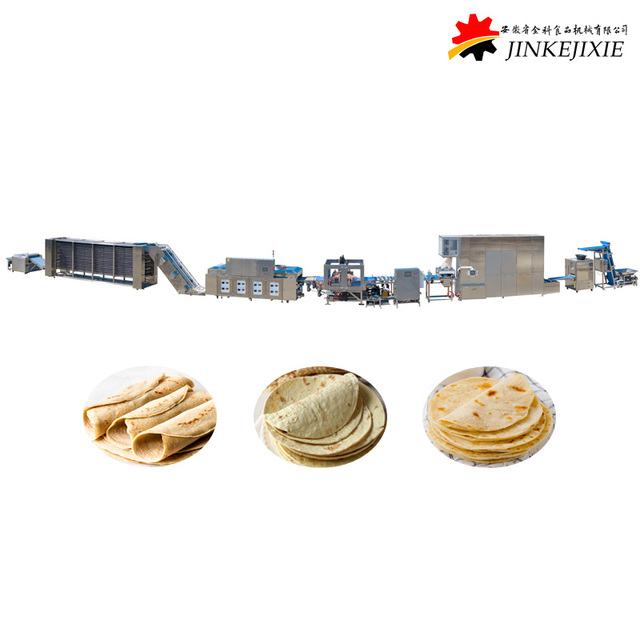
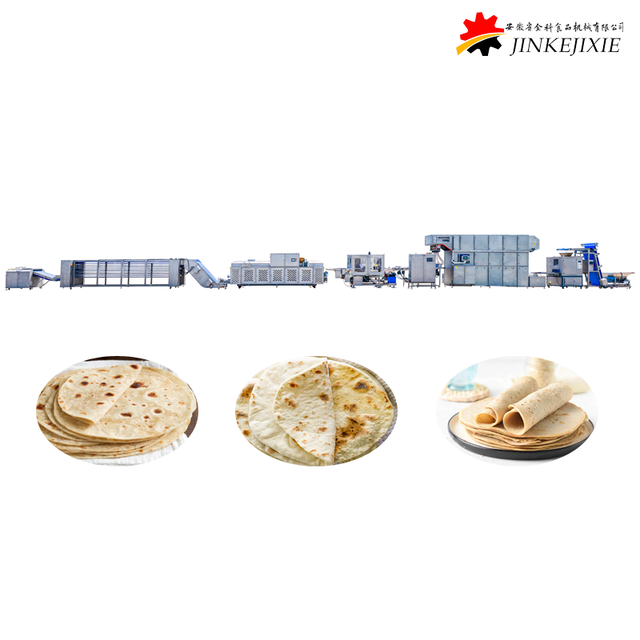
The tortilla production industry has seen significant advancements over the years, with modern machinery capable of producing high-quality tortillas quickly and efficiently. However, like any industrial system, tortilla production lines can sometimes face challenges that hinder performance. Whether it’s issues with dough consistency, production speed, or equipment malfunction, troubleshooting these problems is essential to maintain smooth operations and high product quality.
In this article, we’ll delve into the most common problems faced by tortilla production lines and provide practical solutions to help you keep your factory running at optimal capacity. By addressing these issues proactively, you can reduce downtime, improve product consistency, and maximize your return on investment.
1. Dough Consistency Issues
Problem: One of the most frequent problems encountered in tortilla production is inconsistent dough consistency. If the dough is too dry, too sticky, or lacks the correct texture, it can affect the entire production process. This inconsistency can lead to poor-quality tortillas, which can cause production delays, customer complaints, and increased waste.
Solution:
To address dough consistency issues, you need to ensure that the dough mixing process is accurate. Common reasons for inconsistent dough include:
Incorrect ingredient proportions: Make sure that the right ratio of flour, water, salt, and other ingredients is maintained. Investing in an automated dough mixer with precise controls can help improve consistency.
Temperature variations: Temperature fluctuations during the mixing process can affect dough quality. It’s important to monitor and maintain consistent temperature levels in the mixing area.
Improper storage of ingredients: Ensure that flour, water, and other ingredients are stored properly, as changes in humidity or temperature can affect their quality.
Investing in a high-quality dough mixing system with accurate sensors and automated controls can drastically reduce inconsistencies and improve the quality of the dough.
2. Dough Portioning Problems
Problem: If the dough is not portioned accurately, it can lead to uneven tortillas in terms of size and thickness. This inconsistency not only impacts the appearance of the tortillas but can also affect their cooking time, texture, and taste.
Solution:
To resolve dough portioning problems, consider implementing the following solutions:
Automated dough portioning: A modern tortilla production line should include an automatic dough divider that precisely portions the dough for consistent results. This can eliminate human error and improve the uniformity of each tortilla.
Regular calibration: Even automated machines require regular calibration to ensure accuracy. Check that the portioning system is calibrated correctly to prevent over- or under-portioning of dough.
Optimal dough temperature: Dough that is either too hot or too cold can impact how it is portioned. Ensure that the dough is at the correct temperature for portioning to help maintain uniformity.
By investing in automated portioning systems and conducting regular checks, you can ensure consistent tortilla sizes and reduce product waste.
3. Issues with Pressing or Flattening the Dough
Problem: Pressing or flattening dough into the desired shape is a crucial step in tortilla production. Problems such as dough sticking to the press, uneven pressing, or poor dough shape can arise if the machine is malfunctioning or not properly calibrated.
Solution:
To prevent pressing issues, follow these troubleshooting tips:
Adjust pressure settings: Ensure that the pressure applied by the press is consistent and appropriate for the type of tortilla being produced. If the pressure is too low or too high, it can affect the texture and shape of the tortilla.
Use non-stick coatings: Consider using non-stick coatings on the pressing plates to prevent dough from sticking. Regularly clean the plates to avoid buildup that can hinder performance.
Maintain proper alignment: Make sure that the dough press is correctly aligned and that the rollers are functioning properly. Misalignment can cause uneven tortillas.
Regular maintenance, including cleaning and lubrication, will help prevent pressing issues and keep the tortilla production line running smoothly.
4. Baking and Cooking Issues
Problem: Problems during the baking or cooking stage, such as uneven cooking or undercooked tortillas, can significantly affect the final product’s quality. These issues can result in tortillas that are too soft, too hard, or not cooked evenly, leading to customer dissatisfaction.
Solution:
To resolve baking and cooking issues, consider the following tips:
Proper oven temperature: Ensure that the baking oven is operating at the correct temperature. Both overheating and underheating can result in tortillas that are not cooked properly. Invest in an oven with precise temperature control to maintain consistent results.
Even heat distribution: The heat should be evenly distributed across the cooking surface to avoid hotspots. Make sure the heating elements in your oven are evenly spaced and functional.
Baking time adjustments: Different types of tortillas may require different baking times. Consider adjusting the baking time based on the tortilla size and thickness to ensure that the tortillas are cooked to perfection.
Having a reliable baking system with temperature sensors and automated controls can help maintain consistent cooking conditions and improve product quality.
5. Cooling and Packaging Problems
Problem: Once the tortillas are baked, it’s important to cool them quickly to prevent them from becoming soggy. Slow cooling can lead to tortillas that are difficult to package and store. Packaging issues, such as poor sealing or damaged tortillas, can also arise if the cooling process is inadequate.
Solution:
To ensure proper cooling and packaging, consider the following solutions:
Optimize cooling times: Implement a cooling conveyor system that ensures tortillas are cooled quickly and uniformly. This will help maintain their texture and prevent them from becoming too soft or sticky.
Improve airflow: Proper ventilation in the cooling area is essential for quick and even cooling. Ensure that the cooling system provides adequate airflow to speed up the process.
Automated packaging: Use automated packaging systems to reduce human error and ensure proper sealing. Proper sealing prevents the tortillas from drying out and helps extend shelf life.
By upgrading your cooling and packaging systems, you can ensure that your tortillas stay fresh and are packaged efficiently, reducing waste and improving overall productivity.
6. Machine Malfunctions or Downtime
Problem: Like any mechanical system, tortilla production lines can experience breakdowns or malfunctions. These issues often lead to significant downtime, which can disrupt production and cause delays.
Solution:
To minimize machine malfunctions, follow these tips:
Regular maintenance: Implement a preventative maintenance schedule for all equipment. Regularly check for wear and tear, and replace any parts that are showing signs of damage.
Training and support: Ensure that your staff is trained to operate the machinery correctly. Many malfunctions are caused by operator error, which can be minimized with proper training.
Remote diagnostics: Consider investing in machinery with remote diagnostics capabilities. This allows you to troubleshoot issues without having to physically inspect the equipment, saving both time and money.
By investing in quality equipment, regular maintenance, and operator training, you can reduce downtime and keep your production line running smoothly.
7. Ingredient Quality and Supply Chain Issues
Problem: The quality of ingredients can sometimes vary, affecting dough consistency, texture, and the final quality of the tortillas. Supply chain issues, such as delays or quality inconsistencies, can also disrupt production schedules.
Solution:
To address ingredient and supply chain issues:
Reliable suppliers: Work with reliable suppliers who can consistently provide high-quality ingredients. Establish long-term relationships with suppliers who understand your quality standards.
Quality control checks: Implement quality control procedures for incoming ingredients. This can help ensure that only the best-quality flour, salt, and other ingredients make it to the production line.
Inventory management: Implement a robust inventory management system to avoid supply shortages that could halt production. Track ingredient usage and anticipate future needs to ensure continuous production.
By securing quality ingredients and establishing a reliable supply chain, you can prevent ingredient-related problems from affecting your production.
Conclusion
Troubleshooting common problems in tortilla production lines is crucial for maintaining efficient and high-quality production. From dough consistency and portioning to baking and packaging, addressing issues early on can help reduce downtime, minimize waste, and ensure consistent product quality. By regularly maintaining equipment, investing in automated systems, and training staff properly, you can keep your production line running at its best.
At AnHui JinKe Foodstuff Machinery Co., Ltd., we offer advanced tortilla production solutions designed to address common production line issues and optimize efficiency. For more information on our products and services, feel free to contact us.
FAQ
Q: How often should I maintain my tortilla production line?
A: Regular maintenance is essential for smooth operations. We recommend conducting maintenance checks every 3-6 months, or more frequently if you experience any issues.
Q: Can I upgrade my existing tortilla production line?
A: Yes, many tortilla production lines can be upgraded with modern equipment to improve efficiency, reduce waste, and enhance product quality.
Q: What is the best way to improve dough consistency?
A: Ensure that the correct ingredient proportions are maintained, use automated mixing systems, and monitor the temperature and humidity levels in the mixing area.
Q: How can I reduce waste in the production line?
A: Invest in automated portioning and pressing systems, maintain consistent baking conditions, and optimize cooling and packaging processes to reduce waste.