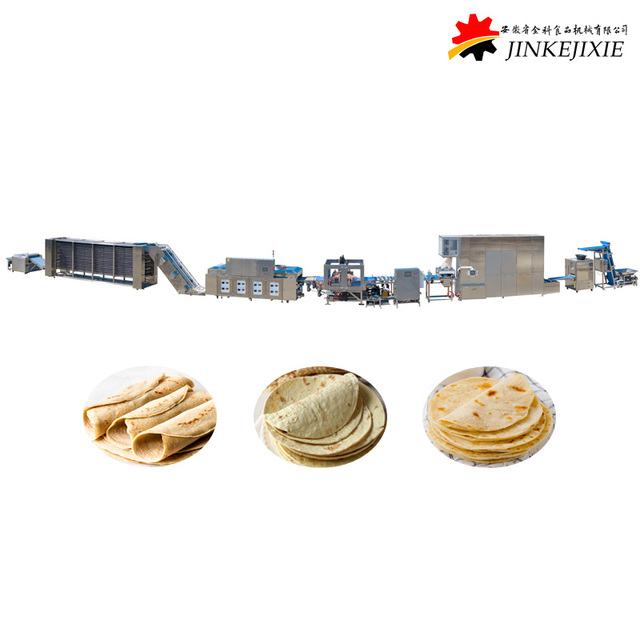
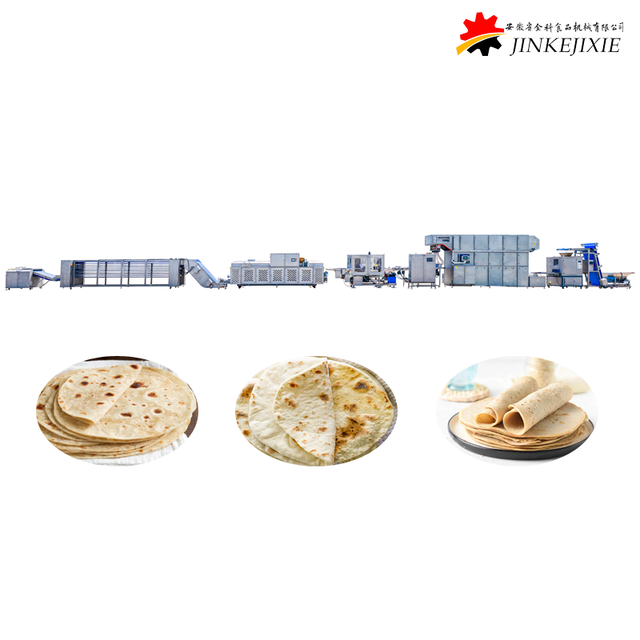
To achieve maximum efficiency in your tortilla production line, you need three essential features: a consistent dough pressing and cooking system, automated quality control and monitoring, and a design that allows for easy cleaning and maintenance. Incorporating these features into your tortilla production line can boost production capacity by 30%, cut energy consumption by 25%, and significantly reduce defects and labor costs. Today’s advanced tortilla production line equipment also delivers enhanced safety and labor-saving advantages. Check out the comparison below:
Production Line Type | Labor-Saving Features | Safety Features |
Fully Automated Continuous Lines | Lower labor cost per unit, high throughput | Emergency stop buttons, guarding around moving parts |
JinKe is recognized as a leading provider of tortilla production line solutions. For more details, visit https://www.tortilla-machine.com/.
Key Takeaways
Consistent dough pressing and cooking are crucial for uniform tortilla quality. This ensures every tortilla meets customer expectations.
Automated quality control systems monitor production in real-time, catching defects early and reducing waste, which protects your brand's reputation.
Choose equipment designed for easy cleaning and maintenance. This helps maintain food safety and keeps your production line running smoothly.
Investing in reliable tortilla production equipment can reduce labor costs and increase production capacity, leading to higher profits.
Look for features like adjustable settings on machines to produce various tortilla sizes and thicknesses, allowing you to meet diverse customer demands.
Safety features such as interlock systems and flame failure alarms are essential for protecting workers and ensuring safe operations.
Utilize modular equipment to easily scale your production line as your business grows, adapting to changing market needs without major renovations.
Partnering with a trusted supplier like JinKe can provide you with expert support and advanced solutions to maximize your production efficiency.
Consistent Dough Pressing in Tortilla Production Line
Creating consistent-quality tortillas starts with the right dough pressing and cooking process. You need to focus on both the uniformity of the dough and the reliability of your cooking equipment. These steps help you deliver tortillas that meet customer expectations every time.
Uniform Tortilla Thickness
Uniform thickness is essential for consistent quality. When you use machines that roll dough into even sheets and cut them into circles, you get stronger dough and better tortillas. Studies show that shaping dough into equal discs before pressing is critical. This process ensures every tortilla has the same texture and taste. Commercial success depends on this level of consistency.
Adjustable Settings
You can adjust the settings on modern tortilla equipment to control thickness and diameter. This flexibility lets you produce tortillas for different recipes and customer needs. Adjustable machines help you maintain quality even when you change product specifications.
Hydraulic and Servo Technology
Hydraulic and servo technology gives you precise control over the pressing process. These systems apply even pressure, so every tortilla comes out the same. You can rely on these machines to reduce waste and improve efficiency. They also make it easier for operators to achieve consistent results with less training.
Reliable Cooking Equipment
Cooking equipment plays a big role in tortilla quality. You need ovens and presses that heat evenly and maintain the right temperature. Reliable machines help you avoid undercooked or burnt tortillas, which can hurt your reputation.
Precise Temperature Control
Modern ovens let you set and maintain exact temperatures. This control ensures each tortilla cooks evenly. You can trust the equipment to deliver the same results every time, which is important for large-scale production.
Teflon Belts for Anti-Sticking
Teflon belts prevent tortillas from sticking during cooking. This feature keeps the production line moving smoothly and reduces downtime. It also helps you keep the tortillas in perfect shape, which improves overall quality.
Tip: Using reliable equipment with advanced features like metal detection and easy cleaning can help you maintain food safety and product quality, even in challenging environments.
Equipment Type | Key Benefits |
18" Manual Press | Efficient, safe, and easy to use; suitable for both flour and corn tortillas. |
Choice 8" Cast Iron Tortilla Press | Durable, versatile, and easy to clean; ideal for small batches and various flatbreads. |
BE&SCO BETA 900 Electric Press & Oven | High production capacity (900 tortillas/hour), includes an oven for baking, enhancing efficiency. |
When you use the right equipment—like dough mixers, dividers, rounders, sheeters or presses, and ovens—you boost efficiency and reduce labor needs. Automated systems minimize human contact, which improves hygiene and lowers costs. You can produce more tortillas with fewer operators, making your production line both efficient and cost-effective.
Automated Quality Control for Tortilla-Making Equipment
Automated quality control stands at the heart of a modern tortilla-making process. You can rely on advanced equipment to monitor every stage, ensuring each tortilla meets strict standards. This technology helps you catch problems early, reduce waste, and protect your brand’s reputation.
Real-Time Monitoring
Real-time monitoring gives you instant feedback on your production line. You can see how your equipment performs and make quick adjustments. This approach keeps your tortillas consistent and safe for customers.
Built-In Sensors
You will find built-in sensors in today’s best tortilla equipment. These sensors track temperature, thickness, and shape as each tortilla moves through the line. They alert you if something goes wrong, so you can fix it before it affects quality. Many facilities use IoT-enabled monitoring systems. These systems provide real-time analytics and help you plan maintenance before breakdowns happen. This keeps your operation running smoothly and your product quality high.
Automatic Defect Rejection
Automatic defect rejection systems remove tortillas that do not meet your standards. You do not have to rely on manual checks. The equipment uses cameras and sensors to spot defects like uneven color or wrong size. Defective tortillas leave the line before they reach packaging. This reduces waste and saves money. You also build trust with your customers because they know they will get the same quality every time.
Note: Facilities aiming for top food safety certifications use in-process monitoring to catch deviations early. This practice helps you maintain high standards and avoid costly recalls.
Technology | Impact on Quality and Safety |
IoT-enabled monitoring systems | Enables real-time performance analytics and predictive maintenance, enhancing operational efficiency and product consistency. |
Advanced temperature control systems | Ensures uniform frying, contributing to improved product quality and reduced oil wastage. |
Automated cleaning mechanisms | Maintains hygiene standards, crucial for food safety compliance. |
You can also use trend analysis and statistical methods to track changes over time. Many companies use SPC dashboards to detect problems before they become serious.
Safety Features
Safety features protect both your workers and your product. You need equipment that keeps everyone safe while maintaining high quality.
Interlock Systems
Interlock systems stop the equipment if someone opens a guard or door. This feature prevents accidents and keeps your team safe. You do not have to worry about injuries from moving parts. Interlocks also help you meet safety regulations, which is important for your business.
Flame Failure Alarms
Flame failure alarms protect your tortilla line from fire hazards. If a burner goes out, the alarm shuts off the gas supply right away. This keeps your facility safe and prevents damage to your equipment. You can focus on making quality tortillas without worrying about safety risks.
Benefit | Explanation |
Consistency | Automation ensures uniformity in product quality, enhancing consumer satisfaction and brand trust. |
Efficiency | Automated systems operate continuously, catching defects in real-time, which reduces waste. |
Compliance | Continuous monitoring helps meet safety regulations, preventing costly issues and recalls. |
Cost Savings | Early defect detection minimizes rework and waste, leading to significant operational savings. |
Automated quality control gives you peace of mind. You know your tortillas will meet customer expectations, and your equipment will run safely and efficiently.
Easy Cleaning and Maintenance Design
Keeping your tortilla production line clean and well-maintained is essential for food safety and smooth operation. You need to focus on both hygiene and maintenance to prevent contamination and keep your line running efficiently. Food safety authorities require you to follow strict standards, such as 21 CFR Part 117, which means you must design your facility and equipment to minimize risks.
Hygienic Construction
You should choose equipment made from materials that are easy to clean and resist rust. Premium 304 stainless steel is a top choice because it does not corrode and helps you maintain a sanitary environment. Moulds with non-stick coatings also make cleaning easier and keep the cooking surface safe for food.
Sanitary design uses smooth, drainable, and non-absorbent materials.
Seals, gaskets, and seams must prevent food safety hazards.
Regulatory rules require you to keep all surfaces clean and free from contamination.
Accessible Components
You can save time and effort by using equipment with accessible parts. When you can reach every area easily, you clean more thoroughly and spot problems before they grow. This design also helps you meet food safety standards by making routine cleaning simple.
Tool-Free Disassembly
Many modern machines let you take them apart without tools. You can remove covers, trays, and belts quickly. This feature reduces downtime and makes it easier to train your staff. You spend less time on maintenance and more time making quality tortillas.
Low Maintenance Requirements
Low maintenance needs help you keep your production line running longer. Preventive and predictive maintenance programs can reduce equipment failures by up to 74%. Facilities that use computerized maintenance management systems (CMMS) see a 20-25% drop in downtime and save 15-20% on maintenance costs.
Evidence Description | Impact on Uptime | Impact on Cost Savings |
Preventive and predictive maintenance reduce equipment failures by 74% | Significant reduction in downtime | Lower maintenance costs |
Facilities using CMMS see 20-25% reduction in downtime | Increased machine uptime | 15-20% reduction in maintenance costs |
Predictive maintenance leads to 25-40% reduction in unplanned downtime | Enhanced uptime | 8-12% energy savings |
Preventive maintenance programs reduce failures by 30-50% | Extends equipment life by 5-7 years | Long-term cost savings |
Self-Cleaning Options
Some tortilla equipment comes with self-cleaning features. These systems use automated washing cycles to keep surfaces clean without manual scrubbing. You reduce labor and improve hygiene at the same time.
Extended Machine Lifespan
When you maintain your equipment properly, you extend its lifespan by five to seven years. This means you get more value from your investment and avoid frequent replacements. You also keep your tortilla production line running smoothly with fewer interruptions.
Tip: JinKe offers maintenance-friendly tortilla equipment with tool-free access, self-cleaning options, and durable materials. You can find more details about their solutions at their official website.
Customization and Flexibility in Tortilla Production Line
You need customization and flexibility to stay competitive in today’s food industry. When you adjust your production line, you can meet changing customer demands and expand your product range. Flexible equipment helps you respond quickly to trends and market shifts.
Adjustable Thickness and Diameter
Diverse Product Specifications
You can produce tortillas in different sizes and thicknesses by using equipment with adjustable settings. This feature lets you create products for various markets, from thin wraps to thicker flatbreads. The ability to change specifications supports both small-batch and large-scale production.
Feature | Description |
Thickness Adjustment | Customizable from 1 mm to 5 mm, allowing for various tortilla thicknesses. |
Diameter | 5.5-inch plate suitable for everyday meals. |
Versatility | Enables production of different types of flatbreads and tortillas. |
Ease of Use | Quick adjustments without tools for multiple recipes. |
Recipe Adaptability
You can switch between recipes with minimal downtime. This adaptability means you can offer wheat, corn, or specialty tortillas without changing your entire setup. Many commercial producers use this flexibility to test new products and respond to customer feedback.
Tip: Flexible equipment allows you to keep up with food trends and seasonal demands, which boosts your efficiency and customer satisfaction.
Modular Equipment Options
Scalability
Modular equipment gives you the power to scale your production line as your business grows. You can add new modules or upgrade existing ones without major renovations. This approach saves money and helps you match production to demand.
You can expand capacity step by step.
You avoid overcommitting resources.
You adapt your layout to fit your facility.
Adaptation for Different Tortilla Types
You can use modular systems to produce a variety of tortilla types, such as nixtamalized corn or wheat-based flour tortillas. This setup lets you switch between products without stopping the line. Many companies use automated flow wrapping and modified atmosphere packaging to improve shelf life and freshness.
Adaptation Method | Description | Benefits |
Flow Wrapping Technology | Transition from manual labor to automated flow wrapping systems. | Increases production speed to nearly 85 packages per minute, reduces labor costs, and improves product quality. |
Modified Atmosphere Packaging (MAP) | Implementation of MAP to enhance product shelf life and quality. | Extends shelf life up to 30 days, reduces food waste, and improves product consistency. |
Resealable Packaging | Addition of resealable features to packaging. | Enhances product freshness, reduces waste, and appeals to consumer preferences for convenience. |
Many manufacturers have improved efficiency and entered new markets by working with equipment suppliers to customize their lines. For example, some companies increased output by 50% with automated dough preparation, while others used modular machinery to diversify their offerings and reduce waste.
If you want a tailored solution, JinKe offers customizable tortilla production line equipment that fits your needs. You can learn more about their flexible options at https://www.tortilla-machine.com/.
Complete Tortilla Production Line Equipment
A complete tortilla-making equipment setup covers every step from dough preparation to final packaging. You need to select high-quality equipment for each stage to ensure your commercial operation runs smoothly and delivers consistent results. Here is a breakdown of the essential machines and their roles in a modern production line:
Step | Description |
Dough Preparation | Mix water, lime, and corn in an industrial cooker to create a uniform dough mixture. |
Cooking | Use a vertical closed cooker to batch-cook the mixture, ensuring even heat transfer. |
Grinding | Grind the cooked nixtamal with carved stones for a cohesive dough. |
Forming | Knead and shape the dough using extruders and sheeter rolls for precise forms. |
Baking | Bake the formed tortillas in a gas-fired oven to reduce moisture and lock in texture. |
Frying | Fry at controlled temperatures for the desired flavor and crispness. |
Seasoning | Apply seasonings and salts after frying for flavor enhancement. |
Quality Control | Monitor parameters to ensure product consistency and safety. |
Cooling Conveyors
Efficient Cooling Process
After baking or frying, tortillas need to cool before packaging. Cooling conveyors move the product through a controlled environment, which helps maintain quality and prevents condensation. This step keeps the tortillas from sticking together and preserves their texture. You can rely on these conveyors to handle large volumes without slowing down your operation.
Integration with Production Flow
Cooling conveyors fit seamlessly into your tortilla-making equipment lineup. They connect the baking or frying stage to the packaging area, creating a continuous flow. This integration reduces manual handling and keeps your production line efficient. Studies show that when you use integrated conveyors, you minimize product damage and maintain a steady pace.
Packaging Machines
Automated Packing
Automated packaging machines wrap and seal tortillas quickly and accurately. You can set these machines to handle different package sizes and styles, which supports a variety of commercial needs. Fully automated systems reduce labor costs and increase output. You also gain the ability to switch between products with minimal downtime, which is important for businesses that offer multiple SKUs.
Quality Assurance
Packaging machines play a key role in quality assurance. They use sensors and cameras to check for proper sealing and correct labeling. This technology helps you avoid packaging errors and ensures that only top-quality tortillas reach your customers. Integrated systems also allow for fast changeovers, which keeps your operation flexible and responsive to market demands.
Tip: Seamless integration of tortilla-making equipment, from dough preparation to packaging, boosts efficiency and reduces costs. The growing demand for advanced machinery highlights the need for a well-coordinated production line.
A complete tortilla-making equipment solution gives you control over every step. You can produce high volumes with fewer workers, maintain product quality, and adapt quickly to new trends. Investing in the right machines ensures your commercial tortilla business stays competitive.
Investing in Reliable Tortilla Production Line
ROI and Cost Savings
When you invest in a reliable tortilla production line, you set your business up for long-term success. You need to look at both the initial investment and the ongoing savings. Project reports on quesadilla manufacturing show that capital investments and operating expenses play a big role in your financial planning. These reports also highlight the importance of return on investment and net present value. By understanding these factors, you can see how a dependable system pays off over time.
Labor Reduction
Automated systems help you reduce labor costs. You do not need as many workers to run the line. Machines handle repetitive tasks, so your team can focus on quality control and other important jobs. This shift leads to fewer errors and less downtime. You also create a safer workplace because machines take on the most dangerous tasks.
Long-Term Value
A complete and integrated tortilla production line brings many long-term benefits. You can increase your production capacity, as seen when Donkey Brands LLC doubled its output after upgrading to automation. You also improve product quality and boost processing speed. Advanced systems help you cut down on product breakage and keep your line running with almost no interruptions. These gains lead to better operational efficiency and higher profits for your commercial business.
Choosing JinKe
Selecting the right brand for your tortilla production line is a key decision. You want a supplier that meets your needs and supports your growth. JinKe stands out as a trusted partner in the industry.
Brand Advantages
When you compare brands, you should consider several important factors:
Technical specifications that match your output and automation goals.
Supplier reliability, including a strong track record and positive references.
Total cost of ownership, which covers maintenance, support, and long-term expenses.
JinKe offers advanced solutions that fit these requirements. Their equipment supports high efficiency and consistent quality, making them a smart choice for commercial operations.
Customer Support
You need strong customer support to keep your production line running smoothly. JinKe provides expert advice, training, and ongoing service. Their team helps you solve problems quickly and keeps your equipment in top shape. For more information and expert guidance, you can visit https://www.tortilla-machine.com/.
Tip: A reliable partner like JinKe can help you maximize your investment and maintain high operational efficiency for years to come.
You boost efficiency, product quality, and ease of operation when you focus on consistent dough pressing, automated quality control, and easy cleaning. Safety, customization, and integration matter most in modern tortilla production lines. Industry experts recommend these strategies:
Recommendation | Description |
Integrated Production Lines | Tailored lines enhance safety and efficiency, meeting hygiene standards and regulations. |
Customization Process | One-on-one consultation helps you get solutions for your specific needs. |
Modular Back-End Solutions | Automated systems for packaging and inspection improve integration and safety. |
Choose JinKe to prioritize these features and advance your tortilla business.
FAQ
What is the most important feature in a tortilla production line?
You need consistent dough pressing and cooking. This feature ensures every tortilla has the same thickness and texture. It helps you deliver high-quality products every time.
How does automation improve tortilla production?
Automation reduces manual labor and errors. You get faster production, fewer defects, and better safety. Machines handle repetitive tasks, so you can focus on quality control.
Can I adjust tortilla size and thickness with modern equipment?
Yes, you can. Most machines let you change thickness and diameter easily. You can produce different types of tortillas for various markets.
How do I keep my tortilla line clean?
Choose equipment with tool-free disassembly and self-cleaning options. You can clean parts quickly and meet food safety standards. Stainless steel construction also helps prevent contamination.
What safety features should I look for?
Look for interlock systems and flame failure alarms. These features protect workers and equipment. You can operate your line with confidence.
How does automated quality control work?
Sensors and cameras check each tortilla for defects. The system removes any product that does not meet your standards. You maintain consistent quality with less waste.
Is it possible to expand my production line later?
Yes. Modular equipment lets you add new machines as your business grows. You can scale up without replacing your entire line.
Where can I get expert advice on tortilla production lines?
You can contact JinKe for expert support. Visit https://www.tortilla-machine.com/ for more information and personalized solutions.