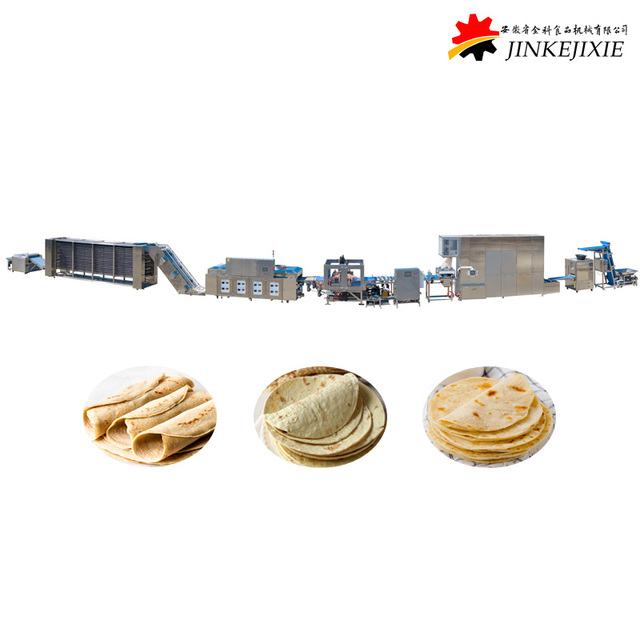
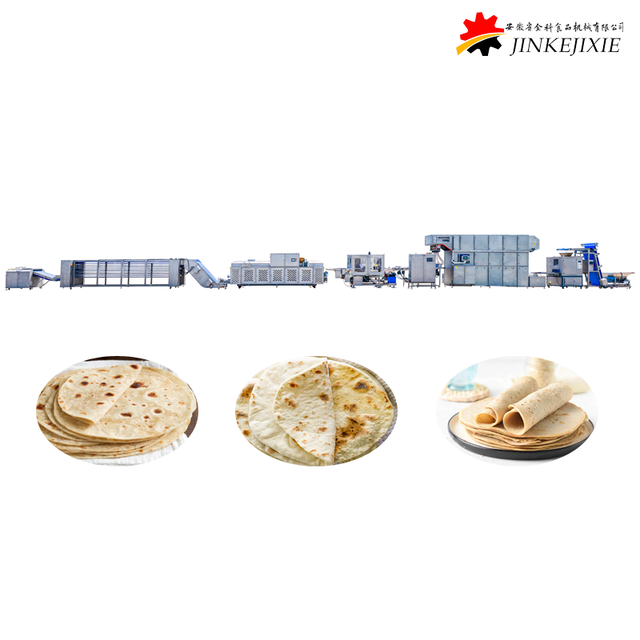
You see major trends transforming tortilla bread production line technology in 2026. Automation and IoT integration boost efficiency by letting you track performance in real time and predict maintenance needs. New machines help you cut energy use and lower emissions, supporting sustainability goals. AI-based tools improve tortilla quality and consistency, keeping your products competitive. As labor shortages grow, you can rely on advanced systems to handle more tasks. Leading providers like JinKe offer smart solutions for your 2026 bread production line, helping you stay ahead in the tortilla market.
Key Takeaways
Automation and AI enhance efficiency in tortilla production, allowing for real-time monitoring and quick adjustments.
IoT integration helps track dough quality and machine performance, leading to consistent product quality and reduced downtime.
Investing in energy-efficient machines lowers costs and supports sustainability goals by reducing waste and energy consumption.
Robotic systems improve consistency and speed in production, minimizing labor needs and enhancing safety.
Modular production lines offer flexibility, allowing quick changes between different tortilla types to meet market demands.
Advanced quality control systems ensure every tortilla meets high standards, improving customer satisfaction and reducing waste.
Health-focused trends, like gluten-free and whole grain options, are gaining popularity, requiring dedicated production lines.
Partnering with reliable technology providers like JinKe can help businesses stay competitive and adapt to evolving market trends.
Automation & AI in Tortilla Bread Production Line
Automation and AI are changing the way you manage your tortilla bread production line. These technological advancements help you boost efficiency, improve product quality, and keep up with the latest trends in the tortilla industry.
AI Process Optimization
AI-driven efficiency is now a key part of tortilla production. You can use smart manufacturing systems to monitor every step of the process. These systems help you spot problems early and make quick adjustments.
Real-time Monitoring
You get real-time monitoring with advanced sensors and software. These tools track dough consistency, temperature, and baking time. You see data instantly, so you can fix issues before they affect your tortillas. This level of control helps you maintain high standards and avoid waste.
Predictive Maintenance
AI also helps you predict when machines need service. Instead of waiting for a breakdown, you get alerts before problems happen. This reduces downtime and keeps your 2026 bread production line running smoothly. You save money on repairs and avoid production delays.
Automated Quality Control
Automated quality control systems now inspect every tortilla, not just a sample. This means you catch more defects and deliver better products to your customers.
100% Product Inspection: Every tortilla passes through inspection, so you find defects that manual checks might miss.
Color Consistency: Systems measure baking color, catching under-baked or burnt spots.
Dimensional Accuracy: High-resolution cameras check size and shape, ensuring each tortilla meets your standards.
Surface Defects Detection: Algorithms spot blisters, cracks, or uneven toppings.
Real-Time Feedback: You get instant data, so you can adjust settings and keep quality high.
These features help you produce tortillas with consistent taste, look, and feel. You also reduce waste and improve customer satisfaction.
JinKe Automation Solutions
JinKe leads the way in automated bread production for tortillas. Their commercial tortilla presses use smart technology to control dough distribution, pressing, and baking. For example, fully-automatic tortilla machines use sensor-controlled dough feeders, hot press systems, and multi-layer ovens. These machines reduce manual work and increase speed, which is vital for large-scale tortilla production. Intelligent counting and stacking systems also cut down on labor and errors.
Tip: When you invest in JinKe’s commercial tortilla presses, you get reliable performance and advanced features that help you stay ahead in the market. Learn more about their solutions at JinKe’s official website.
You can see how JinKe’s automation compares to traditional methods in the table below:
Aspect | JinKe's Automation | Traditional Methods |
Energy Efficiency | Optimizes energy use, reducing costs | Higher energy consumption |
Waste Reduction | Minimizes raw material waste | Higher waste due to human error |
Product Quality | Ensures uniformity in size and shape | Inconsistent sizes |
Compliance with Standards | Meets HACCP and ISO standards | Varies by operation |
Sustainability | Supports eco-friendly practices | Less focus on sustainability |
With JinKe’s commercial tortilla presses and automated bread production systems, you can meet the demands of modern tortilla production. These emerging technologies help you achieve better results, lower costs, and higher quality.
IoT & Precision Manufacturing Trends
You see new trends in tortilla bread production line technology as IoT and precision manufacturing become more common. These technological advancements help you improve quality, boost efficiency, and keep up with changing market trends.
IoT-enabled Controls
IoT-enabled controls give you more power over your tortilla production process. You can use smart manufacturing tools to monitor and adjust every step. This means you get better results and fewer mistakes.
Enhanced Quality Control
IoT systems let you track important factors like dough viscosity and hydration levels. AI-driven sensors auto-calibrate these settings, so you get consistent tortillas every time. Real-time monitoring helps you spot problems before they affect the final product. You can trust that each tortilla meets your quality standards.
AI-driven sensors for auto-calibrating dough viscosity and hydration levels
Real-time monitoring for consistent production quality
Predictive maintenance alerts to minimize downtime
Efficiency Gains
You save time and resources with IoT-enabled controls. Predictive maintenance alerts warn you before a machine breaks down. This reduces downtime and keeps your tortilla line running smoothly. You also use less energy and raw materials, which helps your business grow and stay competitive in the market.
Tip: When you choose JinKe’s smart manufacturing solutions, you get advanced IoT controls that help you reach higher efficiency and quality. You can explore these options at JinKe’s official website.
Data Analytics in Production
Data analytics plays a big role in modern tortilla production. You collect information from every stage of the process. This data helps you find bottlenecks, optimize production times, and predict future demand. You can adjust your production to match what the market needs. This keeps your business flexible and ready for growth.
Market Growth Insights
The market for advanced tortilla technology is expanding quickly. You see the tortilla market growing from $50.96 billion in 2025 to $54.39 billion in 2026. This shows a compound annual growth rate (CAGR) of 6.7%. More companies want advanced machines and smart manufacturing tools to keep up with this growth. You can stay ahead by investing in the latest technology and following these trends.
You can use IoT, data analytics, and precision manufacturing to improve your tortilla bread production line. These tools help you meet market demand, boost quality, and support business growth.
Robotics & Handling in 2026 Bread Production Line
Robotic Dough Handling
Robotic dough handling is changing the tortilla bread production line. You see new trends that focus on speed, consistency, and safety. Robotic systems help you keep up with market growth and demand for high-quality tortillas.
Consistency & Speed
You use robotic systems to improve consistency and speed in tortilla production. These robots handle dough with precision, making sure each tortilla looks and tastes the same. You avoid mistakes that happen with manual labor. Robots like Deco-Bot carry heavy loads, up to 35 pounds, and create uniform products. Colborne Foodbotics’ system uses a single robot for many tasks, which optimizes your production process. Bosch Packaging Technology’s D3 robotic platform increases pick rates and reduces product breakage. You see faster production and fewer errors, which supports market growth.
Robotic systems enhance efficiency and productivity.
Deco-Bot creates consistent tortillas and reduces repetitive-stress injuries.
Colborne Foodbotics’ robots optimize production by handling multiple tasks.
Bosch’s D3 platform boosts pick rates and lowers product breakage.
Minimizing Labor
You minimize labor with robotic dough handling. Robots take over repetitive and heavy tasks, so you need fewer workers. BEOR’s Leonardo water scorer uses a bladeless method, which improves worker safety. You reduce labor costs and avoid injuries. This trend helps you meet market growth and stay competitive.
Automated Packaging
Automated packaging technology improves throughput and reduces labor costs in tortilla bread production. You use machines that package tortillas quickly and accurately. These systems handle high volumes, which prevents bottlenecks and supports market growth. You see consistent quality control and correct labeling, which helps with inventory and logistics.
Benefit | Description |
Faster packaging speeds | Automated systems handle high volumes of tortillas, reducing bottlenecks. |
Accurate labeling | Automation ensures correct labeling and barcode scanning for inventory and logistics management. |
Consistent quality control | Automated packaging reduces the risk of human error during the packaging process. |
You rely on automated packaging to keep up with the market and deliver tortillas that meet customer expectations.
JinKe Robotics Integration
JinKe offers robotics integration for your tortilla bread production line. You see increased efficiency and productivity with their commercial tortilla presses. Robotic handling ensures product quality and consistency. You reduce labor costs by automating tasks that require manual effort. JinKe’s solutions help you meet market growth and stay ahead of trends in tortilla production. You can explore their commercial tortilla presses and robotics systems at their official website.
Note: JinKe’s robotics integration supports your business as the market grows. You achieve better results and deliver tortillas that stand out in the market.
Flexible & Custom Tortilla Production
You see new trends in tortilla production that focus on flexibility and customization. As the market grows, you need to adapt quickly to changing consumer preferences and new product types. Flexible production lines help you keep up with demand and stay competitive.
Modular Line Design
Modular line design gives you the power to adjust your tortilla production quickly. You can add or remove modules based on your needs. This approach supports both small and large-scale operations.
Quick Changeover
You can switch between different tortilla products fast. Real-time thickness calibration lets you adjust product specifications on the fly. This means you can move from one type of tortilla to another without long delays. Operators do not need to retrain when you scale up, which saves time and keeps your line running smoothly.
Scalability
Modular systems use a unified technical platform across all capacities. You can expand your production as your business grows. Consistent engineering across models reduces integration costs and allows you to add new modules without disrupting your current setup.
Feature | Benefit |
Unified technical platform | Scale production without retraining |
Real-time thickness calibration | Adjust product specs instantly |
Consistent engineering across models | Lower integration costs and easy expansion |
Tip: When you choose commercial tortilla presses with modular design, you prepare your business for future growth and changing market needs.
Custom Product Features
You can meet unique customer demands by adding custom features to your tortillas. Commercial tortilla presses now let you control size, thickness, and texture with high precision. You can create tortillas for wraps, snacks, or specialty dishes. This flexibility helps you respond to new trends and keep your products fresh in the market.
Adjust size and thickness for different uses
Add unique textures or patterns
Create tortillas for specific dietary needs
JinKe offers commercial tortilla presses that support custom product features. Their machines help you deliver tortillas that stand out and match your customers’ preferences.
Specialty Tortilla Varieties
You see more consumers choosing specialty tortillas over traditional breads. The market now includes whole wheat, multigrain, and flavored options. Clean-label and gluten-free tortillas are also gaining popularity. These trends push you to invest in new production techniques and technology.
Trend Type | Description |
Clean-label | Organic, vegan, or non-GMO tortillas for health-focused buyers |
Gluten-free | New production methods for gluten-free tortillas |
Flavored options | Diverse flavors to match changing tastes |
Health-conscious | Focus on health drives technology and sustainable practices |
Consumers use tortillas for wraps and snacks more often.
Retail channels support the growth of specialty tortillas.
You see a shift toward whole wheat and multigrain varieties.
To keep up, you need commercial tortilla presses that handle different recipes and ingredients. JinKe’s presses support a wide range of specialty tortillas, helping you meet market growth and stay ahead of trends.
Health & Specialty Tortilla Trends
Gluten-free & Whole Grain Lines
Dedicated Production
You see a growing demand for gluten-free and whole grain tortilla options. Many consumers want healthier choices, so you need dedicated production lines to prevent cross-contamination. Commercial tortilla presses designed for gluten-free recipes help you maintain strict separation from wheat-based products. You can use these presses to process ancient grains like amaranth and quinoa. These grains boost the nutritional value of your tortillas and attract health-focused buyers. You also notice that high-fiber gluten-free wraps are popular. Brands such as Udi’s focus on fiber-rich recipes, which support gut health and meet consumer needs.
Product Integrity
You must protect product integrity when making specialty tortillas. Commercial tortilla presses with advanced controls let you adjust thickness and texture for each batch. This technology ensures that gluten-free and whole grain tortillas hold their shape and taste great. You can rely on these presses to deliver consistent results, even with challenging ingredients. Convenient packaging, such as single-serving packs, helps you reduce food waste and gives customers more flexibility. Many companies now use eco-friendly packaging to support sustainability goals. You can follow these trends to show your commitment to both health and the environment.
Allergen Management
You need strong allergen management in your tortilla production. Dedicated commercial tortilla presses for gluten-free lines help you avoid cross-contact with allergens. You should train your staff to follow strict cleaning protocols. Automated cleaning systems on modern presses make this easier. You can also use traceability tools to track every batch. This gives you confidence that your tortillas are safe for people with allergies. Customers trust your brand when you show that you take allergen safety seriously.
Tip: Always label your tortillas clearly and keep detailed records. This helps you respond quickly if there is ever a recall or question about allergens.
JinKe Specialty Solutions
JinKe offers commercial tortilla presses that support specialty production. You can choose presses designed for gluten-free, whole grain, or high-fiber tortillas. These machines give you precise control over dough handling and baking. You can switch between recipes with minimal downtime. JinKe’s presses also feature automated cleaning and allergen management systems. This helps you meet strict food safety standards. When you invest in JinKe’s solutions, you prepare your business for new trends in health and specialty tortillas. You can learn more about these presses at JinKe’s official website.
Feature | Benefit |
Ancient grain compatibility | Attracts health-conscious consumers |
High-fiber recipe support | Meets demand for gut health |
Eco-friendly packaging options | Aligns with sustainability expectations |
Automated allergen management | Ensures product safety |
You can lead the market by adopting advanced commercial tortilla presses and focusing on health-driven tortilla trends.
Sustainability & Energy Efficiency in Tortilla Bread Production Line
You see new trends in tortilla bread production lines that focus on saving energy and protecting the environment. Many companies now choose machines that use less power and create less waste. These changes help you lower costs and support sustainable practices in your business.
Energy-efficient Machines
Modern tortilla machines use advanced designs to cut down on energy use. You benefit from high-efficiency motors and smart controls that adjust heating cycles in real time. These features help you reduce your carbon footprint and save money on utility bills.
Compact Designs
You can fit more equipment into smaller spaces with compact machine designs. These machines use improved insulation in ovens and conveyors, which keeps heat inside and lowers energy loss. You also find that compact machines are easier to clean and maintain. This means you spend less time on upkeep and more time making tortillas.
Resource Savings
You save resources by using machines that recycle dough scraps and use bio-based lubricants. Smart controls help you avoid wasting energy during idle times. Some systems, like those from leading manufacturers, have cut gas use in corn cooking by up to 50%. You see real savings in both energy and raw materials.
Feature | Description |
Energy-efficient designs | Reduce power use with advanced motors and gearboxes. |
High-efficiency motors | Lower your carbon footprint and energy bills. |
Reduced gas consumption | Save up to 50% on gas in corn cooking. |
Smart controls | Adjust heating cycles to avoid wasting energy. |
Waste reduction strategies | Recycle dough scraps to use more of your materials. |
Sustainable materials | Use bio-based lubricants and recyclable parts. |
Insulation improvements | Keep heat inside ovens and conveyors for more savings. |
Waste Reduction Initiatives
You can lower waste by using automated systems that recycle leftover dough and packaging. Machines now use recyclable materials and eco-friendly lubricants. These steps help you meet environmental rules and show your customers that you care about the planet. You also reduce costs by making better use of your resources.
Tip: Track your waste and energy use with smart sensors. This helps you find new ways to save even more.
JinKe Sustainable Technologies
JinKe leads the way in sustainable tortilla bread production lines. You get equipment made with recyclable materials and smart controls for energy savings. JinKe’s machines support waste reduction and use eco-friendly parts. You can trust their technology to help you meet your green goals and stay ahead of industry trends. Learn more about their sustainable solutions at JinKe’s official website.
Sustainability Attribute | Description |
Recyclable | Equipment uses recyclable materials for less waste. |
You can build a better future for your business and the environment by choosing energy-efficient machines and following sustainable practices.
Food Safety & Hygiene Trends
You must prioritize food safety and hygiene in your tortilla bread production line. New trends focus on advanced cleaning systems, contamination detection, and traceability. These steps help you protect your brand and deliver safe products to your customers.
Sanitation Protocols
You need strong sanitation protocols to keep your production line clean and safe. Training programs help your employees understand the best sanitation practices. You should set up Sanitation Standard Operating Procedures (SSOPs) for every piece of equipment. Good Manufacturing Practices (GMPs) also play a key role in maintaining food safety.
Train your team regularly on sanitation practices.
Use SSOPs for each machine and workstation.
Follow GMPs to keep your facility clean and organized.
You should also conduct random microbiological tests on your products. Keep signed records of all cleaning activities. Ongoing training and refresher courses help your staff stay up to date.
Automated Cleaning
Automated cleaning systems save you time and reduce human error. These systems clean equipment thoroughly and consistently. You can rely on automated cleaning to reach areas that are hard to access by hand. This technology helps you meet strict hygiene standards and lowers the risk of contamination.
Hygienic Design
Hygienic design makes cleaning easier and more effective. You should choose machines with smooth surfaces and minimal crevices. Visual aids and reminders in critical areas help your team remember proper cleaning steps. Regular audits, both in-house and third-party, ensure you follow all protocols.
Tip: JinKe’s tortilla bread production lines feature hygienic designs and support automated cleaning, making it easier for you to maintain high food safety standards.
Contamination Detection
You need reliable systems to detect contamination before it reaches your customers. Metal detectors at the start of your production line stop metal fragments from entering the process. The right inspection equipment reduces false alarms caused by the “product effect” in warm, salty tortillas. Regular maintenance of these detectors ensures they work correctly and catch any contaminants.
Install metal detectors at key points in your line.
Choose inspection systems that handle the unique properties of tortillas.
Schedule regular checks and maintenance for all detection equipment.
Traceability Systems
Traceability systems help you track every batch of tortillas from start to finish. Robust management systems allow you to control lots and serialize products. This process protects your reputation and ensures product safety.
Automation systems monitor each stage of production. Real-time data lets you spot and fix problems quickly. Predictive maintenance tools help you avoid unexpected breakdowns.
Use traceability software to manage inventory and prioritize fresh products.
Track expiration dates and manage product retrieval efficiently.
Keep detailed records to support recalls or audits if needed.
You can trust JinKe’s advanced production lines to support traceability, quality control, and food safety. These features help you meet industry standards and keep your customers safe.
Business Competitiveness & Investment in Tortilla Technology
ROI & Cost-benefit
You want your business to stay competitive in the market. Investing in new tortilla bread production line technology can give you a strong advantage. When you upgrade your equipment, you see faster production, better quality, and lower costs. You also respond quickly to market trends and changing customer needs.
You can measure the return on investment (ROI) for advanced systems. Many companies report significant savings and fast payback periods. The table below shows typical results for a modern 2026 bread production line:
Metric | Value |
Net Savings per Year | ~$4.4 million |
Payback Period | < 2 years |
These numbers show that you recover your investment quickly. You also see ongoing savings each year. This helps your business grow and stay ahead of competitors.
Productivity Gains
You increase productivity when you use automated systems and commercial tortilla presses. Machines work faster and more accurately than manual labor. You produce more tortillas in less time. You also reduce errors and waste. This means you can meet higher demand and take on larger orders. Your business becomes more efficient and reliable.
Market Differentiation
You stand out in the market when you offer consistent quality and new products. Advanced technology lets you create specialty tortillas and respond to market trends. You can adjust recipes, sizes, and packaging to match what customers want. This flexibility helps you attract new buyers and keep loyal customers. You also build a reputation for innovation and quality.
Partnering with JinKe
You need a reliable partner to help you navigate the fast-changing market. JinKe offers advanced solutions for your tortilla bread production line. Their commercial tortilla presses use smart automation, robotics, and IoT integration. You get machines that support high output, energy savings, and flexible production.
JinKe works with you to design a system that fits your needs. You receive support from installation to maintenance. Their technology helps you keep up with growth and changing market trends. You can trust JinKe to deliver equipment that meets strict food safety and sustainability standards.
Tip: Visit JinKe’s official website to explore their full range of solutions. You can find the right technology to boost your market position and prepare for future growth.
You make a smart investment when you choose JinKe as your technology partner. You gain a competitive edge and set your business up for long-term success.
You see new trends shaping tortilla bread production lines in 2026. You must focus on automation, IoT, and energy efficiency to stay ahead in the market. You can boost your market position by offering health-focused tortillas and adapting to local tastes. The table below shows top recommendations for your business:
Recommendation Type | Description |
Health-Centric Innovations | Offer whole grain and gluten-free tortillas |
Regional Adaptations | Add local flavors for each market |
Clean-Label Products | Use simple, natural ingredients |
JinKe’s advanced production lines help you meet market demand with reliable, high-output machines. You can explore more at JinKe’s official website.
FAQ
What is the main benefit of automating my tortilla bread production line?
You increase efficiency and reduce errors. Automated systems help you produce more tortillas with less waste. You also save on labor costs. JinKe offers advanced automation solutions. Learn more here.
How does IoT improve tortilla production?
IoT lets you monitor machines in real time. You can track temperature, dough quality, and machine status. This helps you fix problems quickly and keep quality high.
Can I make gluten-free tortillas with JinKe machines?
Yes! JinKe’s commercial tortilla presses support gluten-free recipes. You can switch between regular and specialty tortillas with minimal downtime.
How do energy-efficient machines help my business?
You lower your energy bills and reduce your carbon footprint. Energy-efficient machines use less power and create less waste. This supports your sustainability goals.
What safety features should I look for in a tortilla production line?
Look for automated cleaning, hygienic design, and contamination detection. These features help you keep your tortillas safe for customers.
How do I scale up my tortilla production as my business grows?
Choose modular production lines. You can add new modules as demand increases. JinKe’s systems let you expand easily without major changes.
Where can I find more information about JinKe’s tortilla machines?
Visit JinKe’s official website for detailed product information, technical support, and customer service.