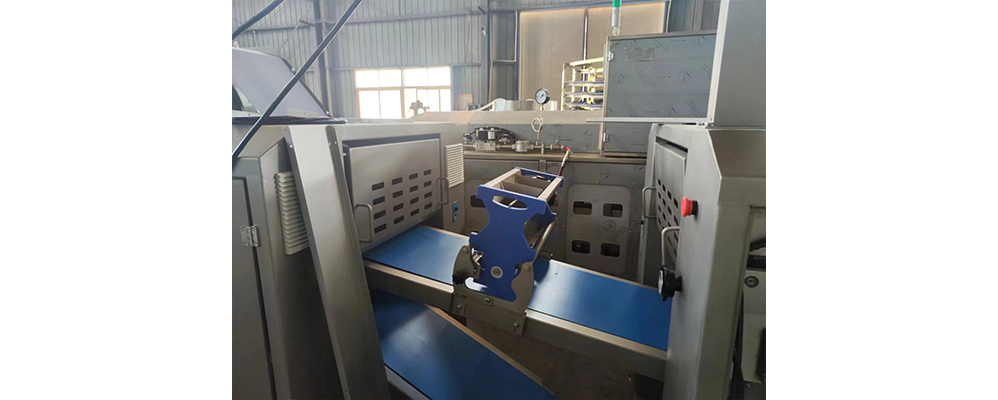
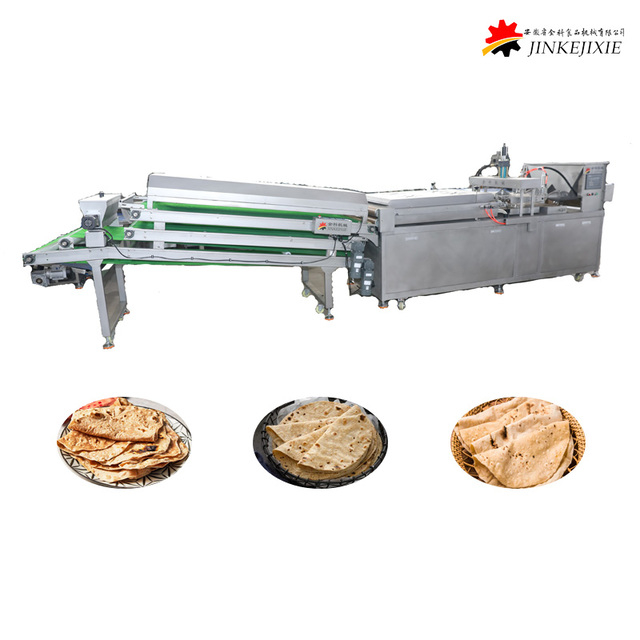
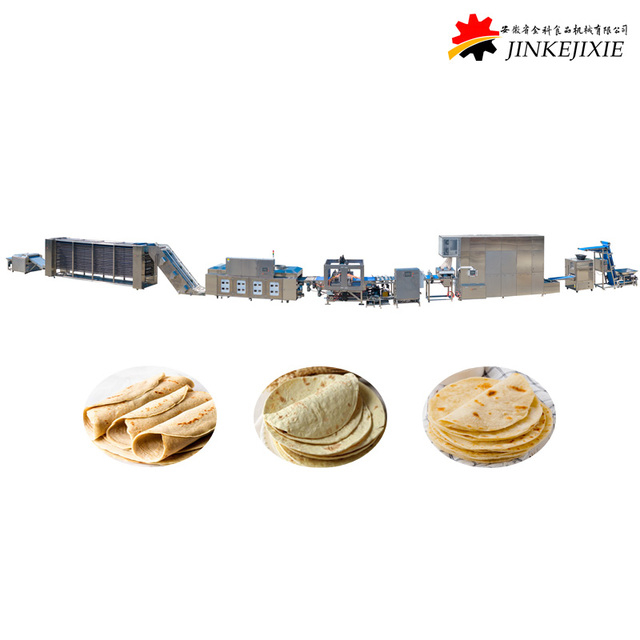
In this guide, you will learn what to check before ordering, installing, and commissioning the machine.
How to Match Motor Power to an Electric Dough Roller Machine
Motor power should match actual production conditions. Choosing the highest kW rating does not automatically improve dough quality.
Understand What Motor Power Actually Controls
The motor supplies energy to rollers and transmission components. Some machines also use it for conveyor movement.
Higher power can support larger loads and wider rollers. However, machine efficiency also depends on transmission design and roller geometry.
A compact tabletop sheeter may use a 0.4 kW motor. One referenced commercial model combines 400 W power with a 370 mm roller width.
By comparison, an industrial roller can require much more power. A referenced industrial machine uses 3 kW for both 330 mm and 480 mm roller configurations.
Match Motor Power to Dough Type
Dough resistance changes between recipes. Soft tortilla dough behaves differently from dense bread or laminated pastry dough.
High-hydration dough often rolls more easily. Dense or elastic dough may place greater resistance on rollers.
This load affects the motor and transmission. Buyers should provide actual recipes before final machine selection.
Recipe testing can also reveal unexpected resistance. It helps suppliers confirm whether the selected drive remains stable.
Match Power to Roller Width
Wider rollers process larger dough sheets. They can also increase the mechanical load placed on the drive system.
A small bakery may only need narrow working widths. Industrial flatbread plants often need wider and faster processing.
The motor should therefore match both roller width and throughput. Do not select it using width alone.
Consider Hourly Production Capacity
Production capacity shows how much work the drive system must support. Continuous high-output production requires more reliable duty performance.
One referenced industrial roller lists 700 kg/h for a 330 mm model. Its 480 mm model lists 1,000 kg/h using the same 3 kW motor.
This comparison shows an important point. Motor power alone cannot predict final output.
Transmission design, roller width, dough condition, and machine speed all influence production capacity.
Check Continuous-Duty Requirements
A bakery may operate a roller intermittently. A food factory may run it for several hours without stopping.
These conditions place different demands on the motor. Heat buildup becomes more important during long production cycles.
Ask whether the drive system supports continuous operation. Also confirm recommended rest periods when applicable.
Evaluate Transmission Efficiency
Motors do not drive dough directly. Power passes through belts, chains, gears, or other transmission components.
A stable transmission reduces energy loss. It can also improve roller synchronization.
One reference industrial machine uses chain transmission. Its manufacturer highlights stable transmission and low operating noise.
Leave Practical Load Margin
Production conditions are rarely identical every day. Dough temperature, hydration, and batch size can change.
A practical load margin can help manage these variations. However, excessive motor oversizing increases electrical demand unnecessarily.
Tip: Ask the supplier to size the motor using your heaviest dough and maximum expected production load.
What Voltage Options Are Available for Electric Dough Roller Machines?
Voltage requirements vary by machine size and destination market. International B2B buyers should confirm electrical standards before manufacturing starts.
220V Electric Dough Roller Machines
A 220V electric dough roller machine is common in smaller commercial applications.
Compact equipment may operate on 220 V. One referenced tabletop dough sheeter lists 220 V as its basic voltage.
However, voltage does not tell the whole story. Buyers must also confirm phase and frequency.
A 220 V single-phase machine differs from a 220 V three-phase system.
380V Industrial Dough Roller Machines
Larger industrial machinery often uses three-phase electricity. A 380V dough roller machine can suit factories with suitable infrastructure.
A referenced 3 kW industrial roller uses 380 V. It is designed for higher throughput than compact bakery machines.
Three-phase power can support larger industrial loads. However, local factory supply must match the machine configuration.
110V, 220V, 380V and 440V Options
Export machines often need different electrical configurations.
One referenced industrial supplier lists 110 V, 220 V, 380 V, and 440 V options.
Another bakery dough moulder lists 110 V, 220 V, or 380 V customization. Its motor power is 0.75 kW.
These examples show why buyers should never assume one universal electrical standard.
Customized Voltage for Export Projects
JinKe supports several electrical configurations across industrial flatbread systems.
This flexibility is important for international projects. Local power standards should be confirmed before the equipment enters production.
Note: Voltage, phase, and frequency must always be confirmed together.
What Electrical Information Should You Confirm Before Ordering?
Electrical planning should start before the purchase contract is finalized.
Voltage, Phase and Frequency
Confirm the factory voltage first. Then check whether the supply is single-phase or three-phase.
Frequency also matters. Many countries use either 50 Hz or 60 Hz.
Incorrect frequency can affect motor speed. It may also affect connected electrical components.
Available Factory Power Capacity
The factory must supply enough total power for the machine.
Do not compare only the rated motor value. Heaters, conveyors, PLC systems, fans, and other equipment may add load.
This becomes especially important for complete lines. JinKe's industrial tortilla systems combine multiple production stages under one electrical system.
Circuit Breaker and Cable Requirements
Ask the manufacturer for recommended breaker specifications. Then let a qualified local electrician confirm the final design.
Cable size depends on current, distance, installation method, and local code.
Never choose electrical cables only from machine voltage. Improper cabling can create overheating and reliability problems.
Plug, Socket and Control Cabinet Compatibility
Small machines may use plugs. Larger industrial machines may require hard wiring.
Confirm the connection method before delivery. Also verify control-cabinet input specifications.
Tip: Send voltage, phase, frequency, and available factory power when requesting a quotation.
What Site Installation Requirements Should Be Planned?
An electric dough roller also needs suitable physical installation conditions.
JinKe's factory planning guide highlights space, material flow, electricity, operator access, and future expansion as key planning factors.
Machine Footprint and Working Clearance
Machine dimensions show only the equipment footprint. Operators need additional working space.
Leave room for dough feeding and discharge. Cleaning access should remain open on required sides.
Industrial conveyors need even more clearance. Their operating length can exceed the main machine body.
Floor Strength and Levelness
Install the machine on a stable surface. Uneven floors can affect machine alignment.
Heavy industrial equipment also needs adequate floor capacity. Confirm machine weight before installation.
Some systems may require anchoring. Follow the manufacturer's installation instructions.
Production Flow Around the Machine
Place the roller where dough can move logically through production.
It may sit after mixing or dividing. Downstream equipment may handle pressing, shaping, baking, or cooling.
JinKe's product center includes dividing, rounding, rolling, pressing, fermentation, baking, cooling, and stacking equipment.
A clear process flow reduces unnecessary material movement. It also improves future automation planning.
Cleaning and Drainage Access
Food-processing machines need frequent cleaning. The installation area should support easy sanitation.
Leave access to food-contact surfaces. Avoid placing machines tightly against walls when service areas need opening.
Nearby drainage may help certain washdown procedures. Actual sanitation design should follow factory requirements.
How Does Machine Size Affect Installation Planning?
Machine size changes electrical and physical planning needs.
Compact Commercial Dough Rollers
Compact machines suit bakeries, restaurants, hotels, and smaller food operations.
They normally require less floor space. Electrical loads are also lower than full industrial systems.
For example, one referenced tabletop machine weighs 75 kg and measures 1700 × 700 × 560 mm.
Medium Industrial Rollers
Medium machines require larger working areas. They may also require three-phase electricity.
Consider conveyor clearance and operator movement. Maintenance technicians need enough access around the drive system.
Electrical panels should remain accessible. Emergency stops must also remain easy to reach.
Integrated Production-Line Equipment
Complete production lines need coordinated planning.
The roller may connect to dividing, rounding, pressing, baking, cooling, and stacking systems.
A complete layout drawing becomes important at this scale.
Future Expansion Space
Production demand can increase after installation. Reserve enough space for future conveyors or forming machines. Also consider additional electrical load. A tight initial layout can make later expansion expensive.
How to Prepare for Electric Dough Roller Machine Installation
Good preparation reduces commissioning delays.
Confirm Utilities Before Delivery
Finish the required electrical work first.
Verify voltage, available load, circuit protection, and connection points.
If connected equipment needs compressed air or gas, prepare those utilities as well.
Prepare the Installation Area
Clean and level the floor.
Mark the final machine position. Confirm access through factory doors before delivery.
Large machines may require forklifts or lifting equipment.
Inspect the Machine After Arrival
Check the shipping package first.
Inspect visible components for transport damage. Then verify the machine nameplate.
The voltage, model, and power should match the order.
Test Before Full Production
Run the machine without dough initially.
Check motor direction and roller movement. Confirm conveyor direction if one is installed.
Then test using actual production dough.
What Should Be Checked During Commissioning?
Commissioning verifies whether the equipment performs correctly inside the real factory.
Verify Roller Direction and Speed
Confirm rotation before loading dough.
Incorrect motor direction can affect feeding and safety.
Test all available speed settings. Watch for unstable movement or abnormal noise.
Test Thickness Adjustment
Begin using a wider roller gap.
Reduce the gap gradually until the target thickness is reached.
Record successful settings for each recipe. This helps operators repeat production conditions.
Monitor Motor Load
Run real dough through the machine.
Watch for overheating and overload alarms. Listen for unexpected mechanical noise.
The motor should handle normal production without unstable operation.
Confirm Safety Functions
Test emergency stops before regular production.
Check covers, guards, switches, and alarm functions.
JinKe's industrial flatbread systems can include PLC controls, touchscreens, emergency stops, protective covers, and automatic error alarms.
Note: Commissioning should include real dough, not only an unloaded machine test.
What Common Installation Mistakes Should Buyers Avoid?
Ordering Before Confirming Local Voltage
Never assume the factory uses the required voltage.
Confirm voltage, phase, and frequency before production begins.
Changing major electrical components after delivery can increase cost and delay startup.
Selecting Motor Power Only by Machine Size
Large dimensions do not always mean a larger motor is necessary.
One industrial reference uses the same 3 kW drive across two roller widths. Those models still list different maximum capacities.
Always compare mechanical design and output together.
Ignoring Factory Electrical Capacity
A machine may use the correct voltage but still overload the local supply.
Calculate total connected load. Include other equipment running at the same time.
This is critical when expanding from one machine to a complete production line.
Leaving Too Little Maintenance Space
Machines need access for inspection and repair.
A very tight layout may save floor space initially. It can increase maintenance time later.
Why Electrical Planning Matters for JinKe Dough Processing Equipment
Electrical planning becomes more important as production automation increases.
Flexible Power Supply Options
JinKe industrial systems can support different electrical configurations.
The JKBP-1200 line lists 220 V, 380 V, and customized supplies.
These options can simplify international factory projects.
Integration With Larger Production Systems
An electric dough roller rarely works alone in large factories.
It may connect with dividers, presses, proofers, ovens, coolers, and stackers.
Every added machine changes total electrical demand. Factory planning should therefore consider future integration.
PLC and Safety Integration
Industrial automation also needs control power.
JinKe systems can use PLC and touchscreen control. Some models also provide automatic error shutdown and production data tracking.
These functions help operators monitor speed, temperature, and production conditions.
Installation Support for Industrial Projects
Larger equipment may need professional commissioning.
JinKe lists optional engineer on-site installation for several automated lines.
Buyers should provide product specifications, production capacity, electrical standards, and factory layout before final configuration.
Tip: Send your factory layout before ordering if the roller will connect to future production equipment.
Electric Dough Roller Machine Installation Checklist
Item
What to Confirm
Why It Matters
Motor Power
Dough load and production capacity
Prevents overload
Voltage
110V, 220V, 380V, or other
Ensures compatibility
Phase
Single or three phase
Matches factory supply
Frequency
50Hz or 60Hz
Protects motor performance
Factory Capacity
Total available electrical load
Prevents circuit overload
Floor Space
Machine plus working clearance
Supports safe operation
Cleaning Access
Space around contact areas
Improves sanitation
Line Integration
Upstream and downstream equipment
Supports automation
Safety
Guards and emergency stops
Protects operators
Expansion Space
Future machines and conveyors
Reduces later rebuilding
Conclusion
Choosing the right electric dough roller machine requires suitable motor power, voltage, factory capacity, and installation space. Proper planning improves safety, startup efficiency, and stable production.
Anhui JinKe Foodstuff Machinery Co., Ltd. provides dough rolling and flatbread production equipment. Its customizable power options, integrated line solutions, and technical support help manufacturers achieve reliable installation and efficient production.
FAQ
Q: What voltage does an electric dough roller machine use?
A: An electric dough roller machine may use 110V, 220V, 380V, or 440V, depending on machine size and factory requirements.
Q: How do I choose motor power for an electric dough roller machine?
A: Match motor power to dough type, roller width, production capacity, and continuous-duty requirements.
Q: What should I check before installing an electric dough roller machine?
A: Confirm voltage, phase, frequency, available factory power, floor space, cleaning access, and working clearance.
Q: Why is commissioning important?
A: Commissioning verifies roller direction, thickness settings, motor load, safety functions, and real-dough performance before production.