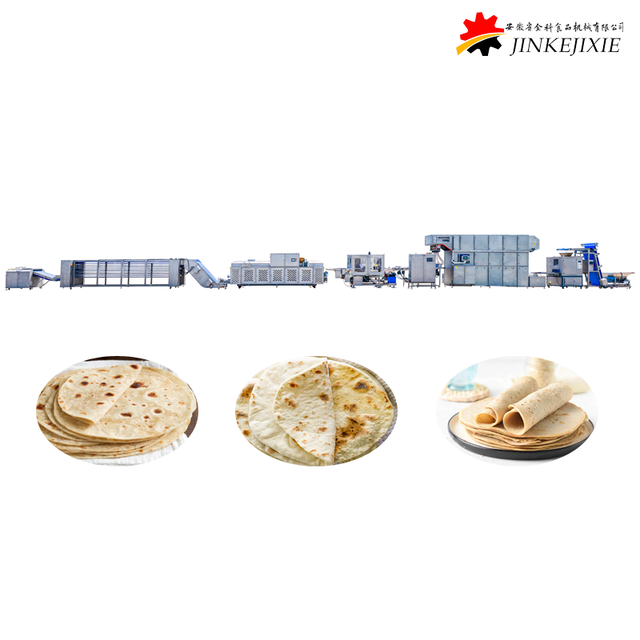
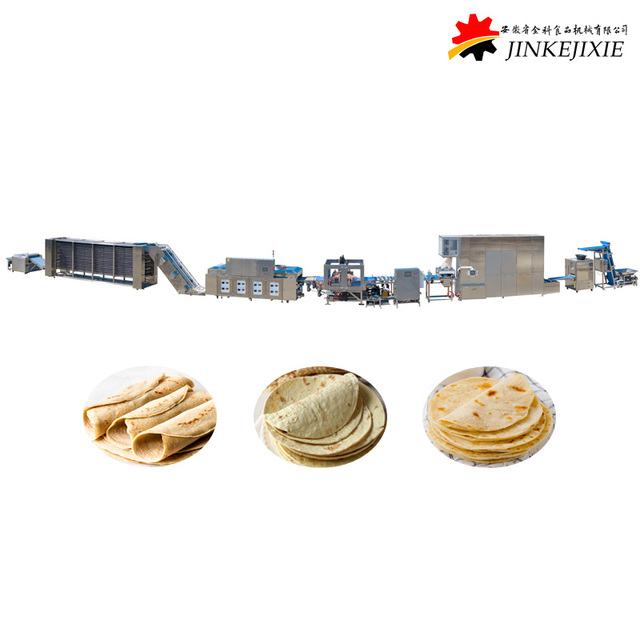
The global demand for convenient, ready-to-cook frozen flatbreads is skyrocketing. Soft flour tortillas, traditional Indian rotis, and flaky scallion pancakes are leading this charge. Food manufacturers realize that manual processing simply cannot keep pace with this surging volume. Historically, hand-flattening dough and manually placing protective film has been a sluggish, error-prone endeavor. Operators wrestle with sticky dough, and the inevitable result is inconsistent product weights and shapes. Transitioning to automated solutions is no longer just a competitive advantage; it is an operational imperative. In this guide, we dive into the mechanical intricacies of automated pressing systems from a frontline engineering perspective. We will explore how upgrading your facility fundamentally optimizes the production line and eliminates production bottlenecks.
Market Dynamics: The Shift Toward Automated Flatbread Production
Recent market intelligence indicates a massive shift in the frozen bakery sector. Industry data reveals a steep upward trajectory for the frozen flatbread segment, projected to maintain a high compound annual growth rate over the next five years. This growth is heavily driven by shifting consumer lifestyles and a booming interest in premium, at-home ethnic dining. Consumers now demand restaurant-quality textures straight from their home freezers.
Simultaneously, commercial bakeries face unprecedented labor shortages and rising wage costs. This dual pressure—higher volume demands coupled with fewer available hands—has accelerated the adoption of end-to-end automation. Modern facilities are rapidly phasing out semi-manual presses in favor of fully integrated lines capable of handling high-hydration doughs without compromising the delicate crumb structure.
What is a Dough Pressing and Filming Machine?
Defining the Equipment
Scaling up the production of diverse flatbreads requires specialized industrial equipment. A Dough Pressing and Filming Machine is a highly sophisticated mechanical system engineered to flatten pre-portioned dough balls into precise circular, oval, or rectangular shapes. Simultaneously, the apparatus applies a protective layer of food-grade film to both the top and bottom surfaces of the newly shaped dough.
Unlike traditional manual presses that rely heavily on operator strength and visual guesswork, this industrial equipment utilizes advanced pneumatic or hydraulic cylinders. When these cylinders engage, heated plates descend with exact, calculated force. This ensures thousands of dough pieces can be processed per hour with absolute uniformity in diameter, thickness, and weight. Integrating the filming mechanism directly into the pressing sequence streamlines packaging preparation, transforming it into an indispensable asset for large-scale frozen food processing plants.
Why Filming is Crucial for Frozen Flatbreads
Applying a film goes far beyond mere packaging aesthetics. It addresses a fundamental scientific necessity for frozen dough products. When raw or par-baked flatbreads are subjected to blast-freezing temperatures, the inherent moisture within the dough matrix naturally migrates toward the surface. If these flatbreads are stacked directly on top of one another without a physical barrier, this surface moisture rapidly turns into ice crystals. This effectively fuses the products together into an inseparable, solid block.
By automatically sandwiching each flatbread between microscopic layers of polyethylene film or specially coated food-grade parchment paper, the equipment creates an impenetrable moisture barrier. This strategic separation prevents ice crystal fusion and preserves the delicate structural integrity of the dough. End consumers can effortlessly peel off individual flatbreads straight from the freezer, moving them directly to the frying pan without tearing the dough.
How a Frozen Flatbread Pressing Machine Works
Understanding the mechanical sequence of a frozen flatbread pressing machine helps factory managers appreciate the robust engineering behind automated consistency. The entire process is orchestrated through four highly synchronized stages.
Automated Dough Feeding and Positioning
The production cycle initiates at the primary feeding conveyor. Pre-portioned dough balls, which have typically just passed through an upstream divider and rounder, are transferred onto the main processing belt. Precision is absolutely critical at this juncture. High-speed optical sensors and servo-driven belts work in tandem to ensure each dough ball is spaced at exact mathematical intervals. This rigorous alignment guarantees that when the dough reaches the pressing station, it rests perfectly centered beneath the mold. This completely eliminates asymmetrical shapes or wasted, uneven edges.
Precision Heat and Pressure Application
Once the dough ball is securely in position, the pressing mechanism activates. Industrial machines utilize heavy-duty cylinders to lower the pressing plate with immense, yet tightly controlled, force. Modern machines incorporate heated pressing plates utilizing PID temperature controllers. The targeted application of heat typically ranges from 40 degrees Celsius to 150 degrees Celsius depending on the specific recipe. This serves a vital biochemical purpose. It slightly denatures the proteins on the very surface of the dough, relaxing the elastic gluten network. This micro-baking effect prevents the dough from aggressively shrinking back to its original shape the moment the pressure is released.
Dual-Sided Filming
Simultaneous with the pressing stage, the filming mechanism seamlessly engages. The machine holds large, industrial-sized rolls of plastic or paper film securely above and below the pressing zone. As the dough is flattened, tension-controlled rollers dispense the film, effectively encapsulating the dough. Advanced web-guiding sensors maintain strict, continuous tension on the film rolls. This ensures the protective layer is applied smoothly without any wrinkles, folds, or trapped air pockets that could compromise freezing quality.
Cutting, Stacking, and Output
In the final operational stage, the continuous web of film containing the freshly pressed flatbreads glides toward the cutting and stacking unit. A mechanical die or high-speed rotary cutter swiftly severs the film between each flatbread, creating individual sealed portions. Following this, an automated stacking mechanism gathers the finished products into predetermined quantities, such as neat stacks of 10 or 20. These uniform stacks are then conveyed directly to the blast freezer, remaining completely untouched by human hands throughout the entire journey.
Dough Laminating Machine vs. Pressing Machine: What’s the Difference?
When planning a facility upgrade, buyers frequently evaluate various types of dough handling equipment. It is essential to clearly distinguish between a dough laminating machine and a pressing machine. They serve entirely distinct functions within the bakery production cycle.
The Role of a Dough Laminating Machine
A laminating machine is deployed in the early stages of dough preparation. It is primarily utilized for complex products that require a flaky, multi-layered internal texture, such as parathas, authentic puff pastries, or traditional scallion pancakes. The laminator operates by continuously rolling out a thick sheet of dough. It mechanically extrudes a precise layer of fat onto it, and then repeatedly folds and rolls the dough web. This folding action creates alternating, microscopic layers of dough and fat. The final output is a continuous, laminated dough sheet, which is subsequently rolled into logs and portioned into individual, multi-layered dough balls.
The Role of the Pressing Machine
In contrast, the pressing machine is strictly utilized at the tail end of the shaping process. It does not create internal layers nor does it alter the fundamental internal structure of the dough. Instead, it takes the layered dough ball produced by the upstream laminator, or a simple plain dough ball in the case of standard tortillas, and physically flattens it into its final marketable size and gauge. The pressing apparatus is solely responsible for final geometric shaping and flawless packaging film application.
Working Together in a Production Line
For commercial factories aiming for maximum operational efficiency, these two machines are highly complementary. A fully integrated facility will often feature a robust laminating station at the beginning of the line, followed by climate-controlled resting conveyors, and concluding with a high-speed pressing and filming system. This end-to-end integration ensures that even the most complex artisanal flatbreads can be produced entirely automatically, transforming raw flour into freezer-ready retail stacks in a matter of minutes.
Key Advantages of Upgrading Your Flatbread Production Line
Investing in automated pressing and filming technology provides highly measurable financial returns for food manufacturers. The advantages extend far beyond mere production speed, fundamentally elevating the business's core operational metrics.
Drastic Reduction in Labor Costs
Manual dough pressing and filming remains one of the most physically demanding tasks in any commercial bakery. A standard manual production line might easily require a dedicated team of 5 to 10 operators just to press the dough, cut the film, place the dough perfectly in the center, and stack the final product. Implementing an automated system drastically reduces this headcount requirement to a single machine operator. This operator’s primary role shifts from physical labor to monitoring the digital control panel and replenishing film rolls. The substantial reduction in hourly wages yields a rapid financial return, often realized within the first 12 to 18 months of operation.
Unmatched Product Consistency and Quality Control
Human operators naturally apply varying degrees of physical pressure over the course of a long shift. This inevitably results in flatbreads of inconsistent thickness. In the fiercely competitive frozen food market, inconsistency is a critical flaw. If a flatbread is too thick in the center and too thin on the edges, it will cook unevenly in the consumer's pan. Automated machines eliminate this variable entirely, controlling thickness down to the exact millimeter. Every single unit produced boasts the exact same diameter and gauge, ensuring standardized cooking times and uniform packaging dimensions.
Enhanced Food Safety and Hygiene
Minimizing human contact with raw food is paramount under increasingly stringent global food safety standards. Manual handling introduces multiple, unavoidable touchpoints where bacterial contamination can easily occur. Automated systems enclose the product within sterile, food-grade materials almost immediately after the shaping phase. Modern machines are constructed utilizing strict hygienic design principles, featuring smooth, crevice-free stainless-steel surfaces that actively resist bacterial harboring and allow for aggressive daily chemical washdowns.
Essential Features and Engineering Specs for Your Next Press
Not all industrial bakery equipment is manufactured to the same rigorous standards. When evaluating potential machines for your facility floor, specific engineering features will heavily dictate the equipment's overall longevity, daily versatility, and ease of use.
Heavy-Duty, Food-Grade Construction
The structural integrity of the machine is absolutely critical, given the immense, repetitive physical forces involved in hydraulic or pneumatic pressing. Buyers should uncompromisingly insist on heavy-duty frames and product-contact parts constructed from premium 304 or 316-grade stainless steel. These specific alloys provide superior resistance to corrosion, which is a vital characteristic in bakery environments where ambient moisture, airborne salt, and harsh cleaning chemicals are constantly prevalent. Inferior materials will inevitably rust or degrade over time, leading to catastrophic mechanical failures.
PLC Smart Control Panels
Modern pressing machines must be equipped with sophisticated Programmable Logic Controllers paired with intuitive, full-color touch screens. Utilizing industry-standard electronic components from globally recognized top-tier brands ensures long-term reliability and easy part replacement. A smart control panel empowers the operator to adjust critical parameters, such as the pressing dwell time, plate temperature, conveyor belt speed, and film cut length, on the fly without stopping production. It also features robust recipe memory, allowing the factory floor to instantly switch from producing a 6-inch taco to a 10-inch paratha.
Anti-Stick Technology
Dough adhesion remains a persistent, frustrating challenge in flatbread manufacturing. To actively prevent the dough from sticking to the pressing plates and causing massive line jams, high-quality machines utilize advanced, proprietary anti-stick technologies. This typically includes heavy-duty Teflon coatings baked onto the pressing surfaces, paired with specialized food-grade polyurethane conveyor belts. When combined with the precise, calibrated application of heat, these advanced materials ensure a flawlessly clean release of the dough during every single cycle.
Core Comparison: Manual vs. Automated Line
To illustrate the operational leap, consider the following baseline metrics typically observed when upgrading to an industrial pressing and filming unit:
Metric
Semi-Manual Process
Automated Pressing & Filming
Production Capacity
300 - 500 pcs/hr
Up to 3,000+ pcs/hr
Thickness Tolerance
± 1.5 mm
± 0.2 mm
Labor Required
4 - 6 Operators
1 Operator
Film Application
Prone to wrinkles/air pockets
Servo-tensioned, perfectly flat
Overcoming Common Challenges in Frozen Flatbread Manufacturing
Transitioning from manual or semi-automated processes to a fully automated system introduces new mechanical variables into your production environment. Food manufacturers must carefully account for the complex biochemical properties of raw dough and the physical realities of handling thin packaging materials at high speeds.
Managing Dough Shrinkage
One of the most persistent challenges in commercial baking is effectively managing the elastic gluten network within wheat-based doughs. When dough is subjected to sudden mechanical pressure, the gluten strands stretch forcefully. If the pressing parameters are poorly calibrated, the gluten will immediately contract the moment the pressure plate lifts. This frustrating phenomenon, commonly known as snap-back, results in flatbreads that are noticeably smaller in diameter and thicker than intended.
An industrial pressing system employs a clever combination of precision heat and controlled resting times to counteract this. The brief, intense application of heat relaxes the gluten structure precisely during the pressing phase, effectively setting the final diameter of the flatbread without pre-baking the interior crumb. Operators can easily adjust the exact fraction of a second the heated plates remain closed via the smart control panel to ensure the dough perfectly retains its intended shape post-press.
Preventing Film Wrinkling and Tearing
The intricate filming process truly differentiates standard pressing equipment from specialized frozen food machinery. The protective film must be applied flawlessly to both the top and bottom of the pressed dough. If the film wrinkles during application, it creates microscopic air pockets that inevitably lead to freezer burn during the blast freezing stage. If the film tears under tension, the flatbreads will stick together in the box.
Advanced machinery solves this delicate issue through highly sophisticated tension-control systems. Utilizing responsive servo motors and optical sensors, the equipment continuously monitors the physical tension of the film rolls as they rapidly unwind. The automated sensors make instantaneous micro-adjustments to the roller speed in real-time, ensuring the film remains perfectly taut as it sandwiches the dough. Anti-static eliminators are frequently integrated into the film-handling mechanism to prevent lightweight plastic films from clinging stubbornly to metal machine parts.
Handling High-Moisture Doughs
Different regional flatbreads require vastly different hydration levels. While a standard commercial flour tortilla might possess a moderate moisture content, certain artisanal scallion pancakes often feature highly hydrated, exceptionally sticky doughs. Processing this high-moisture dough at industrial speeds frequently leads to severe jamming, where the dough adheres stubbornly to the pressing plates or slips on the conveyor belts.
Manufacturers must leverage specialized anti-stick technologies to process these sticky recipes efficiently. High-quality pressing machines feature heavy-duty Teflon-coated pressing molds that provide an incredibly slick, non-stick surface, even under extreme pressure and heat. The conveyor belts utilized in these premium systems are often manufactured from specialized polyurethane or feature uniquely textured surfaces that drastically reduce the contact area between the wet dough and the belt. Automated light flour-dusting mechanisms can also be integrated just prior to the pressing stage to further mitigate surface stickiness.
Actionable Guide to Choosing Your Equipment Supplier
Procuring a commercial dough pressing and filming machine represents a significant capital expenditure. B2B buyers must conduct thorough due diligence and look beyond abstract marketing claims. You need actionable engineering criteria to evaluate potential manufacturing partners.
Assess Stroke and Cylinder Bore Size
Do not simply ask for the maximum output speed. You must verify the pneumatic or hydraulic cylinder bore size and stroke length. A larger bore ensures consistent, uniform pressure across a wider platen, which is absolutely critical if you are pressing large 12-inch wraps. If the cylinder is undersized, the edges of your flatbread will inevitably be thicker than the center, leading to uneven cooking.
Verify Downstream Synchronization
An automated machine must seamlessly align with your downstream freezing and packaging capabilities. If your new Automatic Flatbread Production Line outputs 3,000 pieces per hour, but your existing blast freezer can only accommodate 1,500 pieces per hour, you will instantly create a severe operational bottleneck. Demand detailed throughput data based on your specific product diameter and thickness before signing a purchase order.
Evaluate Tool-less Changeovers
Production flexibility acts as a primary driver of factory profitability. Check if the pressing molds feature tool-less, rapidly interchangeable designs. Your diverse product portfolio may include 6-inch taco tortillas and 12-inch parathas. The speed and ease with which your operators can swap these molds during a mid-shift product changeover directly impacts your overall equipment effectiveness and daily yield.
After-Sales Diagnostic Capabilities
Unexpected equipment downtime is directly tied to immediate, irrecoverable revenue loss. Prioritize manufacturers that intelligently utilize globally recognized, non-proprietary electronic components. If a standard sensor fails mid-production, you should be able to source a replacement locally that same day. Deeply inquire about remote diagnostic capabilities. Modern smart control panels allow the manufacturer's software engineers to securely log into your machine remotely via the internet to troubleshoot calibration issues in real-time.
Conclusion
Investing in automated pressing equipment fundamentally transforms your bakery operations, allowing you to scale frozen flatbread production rapidly while ensuring absolute product consistency. By replacing tedious manual labor with precision engineering, facilities can drastically reduce overhead costs, eliminate handling errors, and meet the soaring consumer demand for high-quality, freezer-ready ethnic breads. The integration of simultaneous filming guarantees that your products reach the end consumer in pristine condition, ready to cook without the frustration of sticking or tearing.
If you are ready to elevate your commercial bakery to a highly competitive industrial standard, the time to embrace automated pressing and filming technology is now. To explore highly customized, heavy-duty solutions tailored specifically to your factory footprint and recipe requirements, visit https://www.tortilla-machine.com and consult with our engineering team today.
Frequently Asked Questions
What types of flatbreads can a Dough Pressing and Filming Machine make?
This equipment is exceptionally versatile and is specifically engineered to process a wide variety of global flatbreads. By adjusting the pneumatic pressure, plate temperature, and swapping mold sizes, manufacturers can seamlessly produce flour tortillas, corn tortillas, Indian rotis, chapatis, parathas, scallion pancakes, and even thin-crust pizza bases. The machine's precise parameters can be saved as distinct digital recipes within the PLC, allowing operators to switch between different flatbread types with minimal mechanical recalibration.
Can the machine adjust the thickness and diameter of the flatbread?
Yes. High-quality industrial machines feature highly adjustable pneumatic or hydraulic pressure settings, alongside precise micro-adjustment dials. The final diameter is primarily determined by the volume and weight of the initial dough ball combined with the specific dimensions of the interchangeable pressing molds. The thickness is strictly controlled by the mechanical limits set on the pressing plates, allowing you to produce paper-thin wrappers or thick, dense flatbreads utilizing the exact same machine infrastructure.
What kind of film is used in the filming process?
The standard materials utilized in the automated filming process are food-grade polyethylene film or specially coated, non-stick parchment paper. The optimal choice depends entirely on your specific product requirements, target freezing temperatures, and the end-consumer's intended preparation methods. The machine features highly adjustable tension controls and precision cutting mechanisms that can be easily calibrated to handle different film thicknesses and tensile strengths without jamming or tearing.
Do I need a dough laminating machine if I buy a pressing machine?
It depends entirely on the specific structural characteristics of your target product. If you are manufacturing layered, flaky flatbreads such as puff pastry, scallion pancakes, or parathas, you must utilize a dough laminating machine upstream to mechanically fold fats into the dough to create the distinct internal layers. Once that layered dough is portioned, the pressing machine is used for the final shaping and filming. For simple, non-layered products like standard tortillas or rotis, a pressing machine alone is completely sufficient for the shaping phase.
Is the equipment difficult to clean and maintain?
No, provided you select equipment intentionally designed for commercial food safety compliance. Modern pressing and filming machines are constructed from heavy-duty 304 or 316 stainless steel, featuring smooth, crevice-free welding to actively prevent bacterial buildup. They are engineered with sanitary washdown capabilities in mind. Key components, such as the polyurethane conveyor belts and pressing molds, are typically designed for quick, tool-less removal, making daily sanitation shifts fast, efficient, and fully compliant with strict food safety regulations.
How do you prevent dough from shrinking after pressing?
Dough shrinkage, or gluten snap-back, is prevented by applying precise heat during the pressing phase. Industrial machines utilize heated platens controlled by PID temperature regulators. A brief exposure to heat relaxes the gluten network and slightly denatures the surface proteins. This effectively locks the dough into its flattened diameter without baking the interior crumb.
What is the ideal pressing temperature for raw flour tortillas?
For standard raw flour tortillas, the pressing plates are generally heated to between 135 and 150 degrees Celsius. The exact temperature and dwell time, usually spanning 1 to 2.5 seconds, depend heavily on the dough's hydration level, fat content, and resting time prior to pressing. This high heat instantly seals the surface, preventing sticking and ensuring a perfectly round shape.