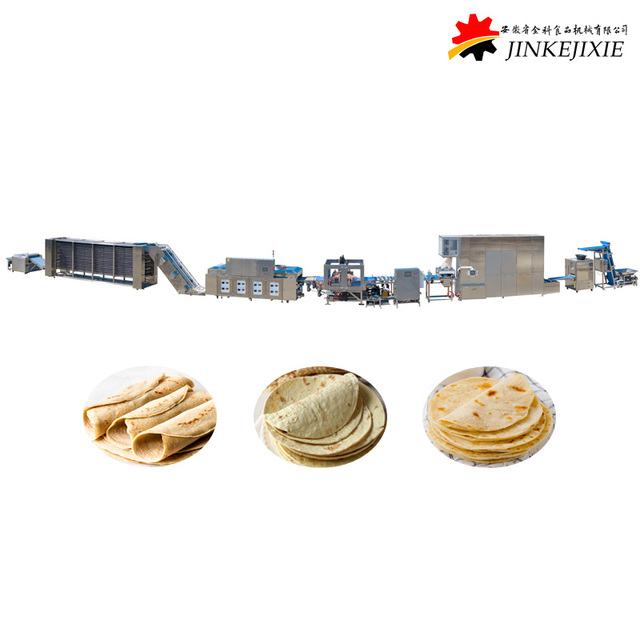
The global appetite for ready-to-eat Mexican cuisine is surging. At the heart of this culinary boom lies the perfectly crunchy taco shell. Transitioning from soft masa dough to a flawless, golden-crisp shell presents a serious engineering challenge. It goes far beyond simply dropping tortillas into hot oil. You need exact precision in shaping and sizing. This prevents structural failure, ensures even heat distribution, and meets strict consumer expectations. Whether you are upgrading an aging facility or building a new setup from the ground up, understanding the nuances of mold specifications is critical. Selecting the precise dimensions will maximize the return on investment for your Taco Production Line.
Shifting Industry Trends in Taco Shell Manufacturing
Recent market data reveals a massive pivot in consumer behavior toward premium, experiential dining at home. Shoppers no longer settle for fragile, easily shattered shells. They demand structural integrity and visual appeal. Consequently, manufacturers are moving away from rigid, single-purpose machinery. The current industry standard demands end-to-end automation with modular capabilities. Equipment that can swiftly pivot from traditional profiles to trendy bite-sized snacks is dominating the market. Brands that fail to adopt flexible mold systems risk falling behind agile competitors who can rapidly respond to meal-kit trends and specialized food service contracts.
Key Takeaways for Equipment Selection
Shape Dictates Function: The physical geometry directly influences the dining experience, filling capacity, and retail shelf appeal.
Size Matters for Packaging: Standardizing mold dimensions ensures finished shells nest perfectly into commercial packaging trays. This drastically reduces transit breakage and logistics costs.
Equipment Compatibility is Crucial: The molds you select must seamlessly integrate with your frying equipment. Precise engineering ensures continuous, automated production without mechanical jams.
End-to-End Automation: Investing in adaptable equipment allows for customizable molds. Your facility can pivot to market trends like mini-tacos or jumbo restaurant shells without replacing the entire line.
Why Shape and Size Matter in Commercial Production
When engineering a commercial food manufacturing process, the physical dimensions of the product influence every subsequent stage of production and sales. Shape and size are functional parameters. They dictate manufacturing efficiency, packaging integrity, and end-user satisfaction. Consumers are increasingly critical of shell structural integrity. A shattered shell in a meal kit leads directly to brand abandonment.
Impact on the Frying Fluid Dynamics
The dimensions of the mold directly affect fluid dynamics and heat distribution inside the frying vat. When a raw corn tortilla enters the hot oil, moisture rapidly evaporates, and the masa begins to crisp. If the mold is too tight or incorrectly sized, oil cannot flow evenly around the substrate. This uneven oil exposure often results in undercooked, chewy centers or overcooked, burnt edges. Specifically, proper mold sizing ensures adequate spacing for thermal transfer. This allows the shell to achieve a uniform golden color and the precise structural rigidity required for commercial distribution.
Packaging and Breakage Prevention
Commercial taco shells are inherently fragile products. In a large-scale manufacturing environment, minimizing post-fryer breakage is essential for maintaining profit margins. The size and shape of the mold determine how well the finished shells nest together. Standardizing your mold dimensions ensures that each shell features an identical curvature. They can stack tightly in retail plastic inserts or cardboard boxes. This tight nesting prevents internal movement during transit, drastically reducing the percentage of shattered shells that reach grocery store shelves.
Consumer Experience and Portion Control
From a culinary perspective, the size and shape dictate the meat-to-topping ratio. A shell that is too narrow may frustrate consumers as it cracks during filling. In contrast, a shell that is too wide might require excessive ingredients, negatively impacting portion control for restaurant clients. By carefully selecting the mold size, manufacturers can cater to specific dining experiences. The final product holds the optimal volume of proteins and sauces without structural failure.
Popular Taco Shell Shapes to Consider for Your Brand
Selecting the right geometry for your product is a foundational business decision. A high-quality commercial taco shell machine can be configured to produce various shapes, each serving a distinct market segment. Understanding the operational and commercial benefits of these profiles is critical for strategic brand positioning.
Shell Profile
Primary Market Segment
Manufacturing Complexity
Packaging Efficiency
Traditional U-Shape
Retail Grocery, Fast Food Chains
Low - Highly standardized
Excellent - Nests flawlessly
Flat-Bottom Stand-Up
Premium Meal Kits, High-End Retail
Medium - Requires precise folding
Moderate - Needs specialized trays
Custom V-Shape / Wide Mouth
Specialty Restaurants, Catering
High - Custom tooling required
Variable - Depends on nesting angle
The Traditional U-Shape
The traditional U-shape remains the most recognized profile globally. It features a continuous, smooth curve that folds the tortilla exactly in half. The primary advantage of this shape is its exceptional nesting capability. Because the curves are uniform, these shells stack flawlessly, making them highly efficient for mass retail packaging. Furthermore, the U-shape is deeply familiar to consumers and remains the gold standard for fast-food chains. Operationally, it is the most robust and efficient geometry to mass-produce.
The Flat-Bottom Stand-Up Shape
The flat-bottom shell is a modern engineering adaptation designed to solve a common consumer pain point. Tacos frequently fall over on the plate, spilling their contents. This profile features a flattened base with vertical walls. Flat-bottom shells offer premium market positioning. They are highly popular in modern retail meal kits because they stand upright independently. While they require slightly more complex packaging trays to prevent crushing, they command a higher retail price point due to their enhanced convenience.
Actionable Guide to Selecting Mold Dimensions
The size of the forming mold must precisely correlate with the diameter of the raw flatbread entering the system. Industry standards categorize these dimensions based on their intended culinary application. Each category demands specific mechanical adjustments to the frying equipment.
Miniature Molds for 3 to 4-Inch Tortillas
Miniature taco shells are increasingly popular for appetizers, party platters, and snack-focused food products. Because the items are compact, manufacturers can utilize specialized, tightly spaced mold chains to maximize throughput in the fryer. However, the smaller radius requires precise tension in the mold. This prevents the lightweight dough from dislodging when submerged in the turbulent frying oil.
Standard Molds for 5 to 6-Inch Tortillas
The 5 to 6-inch tortilla is the undisputed industry standard for retail grocery store kits and global fast-food franchises. Molds designed for this size offer the best empirical balance between filling capacity, structural integrity, and manufacturing efficiency. Standard molds are universally compatible with most automated packaging lines. They provide a reliable, predictable frying time, making them the safest and most profitable choice for high-volume producers.
Jumbo Molds for 7-Inch Plus Tortillas
Designed for premium restaurant suppliers and hearty meal kits, jumbo molds accommodate larger tortillas. Manufacturing jumbo shells presents unique engineering challenges. The larger surface area increases the risk of warping during the frying phase. Consequently, producing these super-sized shells requires equipment with a deeper oil vat and a wider conveyor clearance. This ensures the expanded shell does not scrape against the machinery.
Crucial Engineering Factors for Mold Selection
Before finalizing equipment specifications, food manufacturers must evaluate several technical variables. A systematic review of these factors ensures that the selected molds will perform reliably under continuous industrial use, minimizing costly downtime.
Initial Flatbread Thickness and Moisture
The mold must be precisely calibrated to accommodate the specific thickness and moisture content of the raw corn tortilla. Masa dough typically contains 35 to 45 percent moisture. If the raw flatbread is too thick, a tight mold will crush the dough, leading to dense, undercooked spots. If the flatbread is too thin, it may slip out of the mold entirely. Ensuring consistency at the dough-sheeting stage is vital. For optimal results, manufacturers often integrate an Automatic Flatbread Production Line upstream. This guarantees that every raw tortilla entering the fryer possesses the exact diameter and thickness required by the molds.
Oil Drainage Capabilities
A critical, yet frequently overlooked aspect of mold design is its oil drainage capability. Commercial molds must feature strategically placed ventilation holes or wire-mesh structures. When the taco shell emerges from the oil bath, these perforations allow excess hot oil to drain rapidly before the shell cools. Insufficient drainage results in a greasy, heavy product with a compromised shelf life, as retained oil accelerates rancidity. Proper mold ventilation ensures a crisp, dry finish that meets stringent commercial quality standards.
Synchronizing Molds with Your Frying Equipment
The relationship between your forming molds and your frying equipment is the most critical mechanical interface in your entire manufacturing facility. Selecting the correct mold size and shape is only half the equation. Ensuring that these molds operate flawlessly within the thermal and mechanical constraints of your frying system is what ultimately guarantees a consistent product.
Continuous Frying Dynamics
In a high-volume commercial setting, continuous frying systems are the industry standard. A continuous taco shell fryer machine utilizes a highly specialized, synchronized conveyor system. As the raw, circular corn flatbread enters the frying vat, it is immediately engaged by a two-part mold system. These molds gently fold the flatbread into the desired shape and hold it securely in place as it travels through the hot oil.
The size of the mold directly dictates the required width and depth of the fryer oil vat. If a manufacturer decides to produce jumbo-sized taco shells, the fryer must have adequate depth to submerge the larger molds completely. Furthermore, the conveyor drive motor and chain system must be engineered to handle the increased weight and drag of larger molds moving through dense, high-temperature cooking oil.
Material Selection and Thermal Durability
The material composition of the molds is non-negotiable in commercial food processing. Molds must be constructed from high-grade, food-safe stainless steel. Industry standards dictate SUS304 or, in highly corrosive environments involving specialized acidic seasonings, SUS316. Stainless steel offers the necessary thermal stability to withstand continuous exposure to cooking oil temperatures that regularly hover around 190 degrees Celsius. Lower-grade metals will warp under continuous thermal cycling. A warped mold will fail to close properly, resulting in asymmetrical taco shells, uneven frying, and an unacceptably high rate of product rejection.
Interchangeable Mold Systems for Market Agility
Consumer preferences in the food industry shift rapidly. A shape that is highly profitable today might be overshadowed by a new trend tomorrow. Therefore, investing in a machine with an interchangeable mold system provides a significant competitive advantage. Advanced commercial fryers are designed with modular mold chains. This engineering allows maintenance teams to physically swap out a chain of mini-taco molds for a chain of flat-bottom molds during a scheduled shift change. Your facility can adapt without requiring entirely new infrastructure.
Optimizing Your Entire Production Setup
While the fryer is the heart of the operation, it does not function in isolation. A commercial taco shell is the result of a sequential, highly synchronized process. To maximize output and maintain strict quality control, the mold dimensions must dictate the specifications of the equipment upstream and downstream. Zooming out to look at the macro-level operation is essential for eliminating bottlenecks.
Seamless Integration from Dough Preparation to the Fryer
The journey of a perfect taco shell begins long before it hits the hot oil. The dough preparation, sheeting, and cutting phases must be perfectly calibrated to the specific dimensions of the fryer molds. If your target is a standard 5.5-inch U-shaped taco shell, the raw masa must be cut to an exact diameter with a precise thickness. If the raw flatbread is even a few millimeters too wide, it will overhang the edges of the mold during the frying process. This creates flared edges that are highly susceptible to breaking during packaging. Conversely, if the flatbread is too small, it will not properly grip the mold, resulting in a misshapen, collapsed shell.
Cooling and Conveying Infrastructure
Once the taco shell exits the fryer, the forming process is not entirely complete. As the shell emerges from the hot oil, the starches are still gelatinized, and the shell remains somewhat pliable. It must be held in its designated shape until its internal temperature drops sufficiently for the structure to become rigid and brittle. The size and shape of the taco shell heavily influence the design of the cooling conveyor. Larger, thicker shells retain more internal heat. They require a longer cooling tunnel or a slower conveyor speed to reach the optimal packaging temperature.
Costly Engineering Mistakes to Avoid
Even experienced food manufacturers can encounter costly setbacks when expanding or upgrading their taco shell operations. Selecting molds based purely on aesthetic appeal without considering the underlying physics and logistics is a frequent pitfall. By understanding the common errors made during the procurement phase, businesses can safeguard their capital investment.
Ignoring the Expansion Rate of Corn Masa: Raw corn dough undergoes rapid expansion when submerged in high-temperature oil due to moisture flashing into steam. If the mold is designed to the exact dimensions of the raw flatbread without accounting for this thermal expansion, the resulting shell will be overly dense. The internal pressure may cause the shell to crack while still in the fryer.
Misalignment with Standard Packaging Trays: Commercial taco shells are typically sold in nested stacks within rigid plastic trays or cardboard cartons. A common error is designing a custom shell shape that does not fit into standard, off-the-shelf packaging. This forces the manufacturer to order custom-tooled packaging, drastically increasing the per-unit cost.
Failing to Account for Fryer Clearance Height: When upgrading to jumbo or super-sized molds, operators sometimes fail to measure the internal clearance of their existing fryer. If the new, larger molds sit too deep, they may interfere with the bottom heating tubes or the sludge removal system. This creates a severe fire hazard and damages the equipment.
Opting for Fixed-Mold Machines Over Customizable Ones: Purchasing a machine with permanently welded molds might offer a lower initial capital expenditure, but it severely limits future flexibility. As consumer preferences evolve, the inability to swap molds restricts your capacity to launch new product lines.
Conclusion and Next Steps
Choosing the right taco shell shape and mold size is a foundational decision that echoes throughout your entire production workflow. It directly impacts product quality, packaging efficiency, and ultimate consumer satisfaction. A flawless, crispy shell relies heavily on mechanical harmony and precision. The raw tortilla must match the forming mold perfectly, and the mold must perform seamlessly within the intense environment of the hot oil.
To avoid costly engineering missteps, always consult with equipment experts to design your custom mold solutions. By investing in adaptable, synchronized machinery, you can easily scale your food business, meet shifting market demands, and deliver the perfect crunch every time. Ready to upgrade your production line? Visit https://www.tortilla-machine.com to explore high-performance, customizable equipment tailored to your exact specifications.
FAQ
Can a single commercial taco shell machine produce multiple shapes and sizes?
Yes, advanced commercial machines are engineered to accommodate multiple shapes and sizes through the use of interchangeable mold chains. However, this flexibility requires careful planning. You must ensure that the fryer overall width, depth, and conveyor drive capacity can handle the physical dimensions of your largest desired mold. Swapping molds is not an instantaneous process. It typically requires a scheduled maintenance window of several hours to safely remove the hot chains, install the new set, and recalibrate the tension and alignment before resuming production.
What is the most popular taco shell shape for retail packaging?
The traditional U-shape remains the dominant force in the retail grocery sector. Its popularity is largely driven by logistics. The uniform curve allows the shells to nest tightly together, maximizing the number of shells that can fit into a standard retail box while providing structural support that minimizes breakage during shipping. Nevertheless, the flat-bottom stand-up shape is rapidly gaining market share. Consumers prefer flat-bottom shells because they sit upright on a plate, making them significantly easier to fill without spilling ingredients.
How does mold size affect the frying time in a continuous fryer?
Mold size and the corresponding mass of the taco shell directly influence the required frying dwell time. Larger or thicker shells possess a higher thermal mass, meaning they absorb more heat from the oil. To ensure that a jumbo shell is cooked thoroughly, achieving a rigid structure and the perfect crunch without retaining excess moisture, the conveyor speed must be reduced. Conversely, if a manufacturer switches to miniature molds, the conveyor speed must be increased to prevent the smaller, thinner shells from overcooking, darkening, or acquiring a burnt flavor profile.
Do I need a specific flatbread machine to match my taco molds?
Absolutely. The production of a high-quality taco shell is a continuous, synchronized process. The raw corn tortilla must be sheeted and die-cut to a highly specific diameter and thickness before it enters the frying mold. If the flatbread is too large, it will fold over the mold edges. If it is too small, it will collapse. An integrated production setup ensures that the dough cutting machinery and the fryer forming molds are perfectly synced in both size specifications and operational speed, eliminating product waste and mechanical jams.
What materials are best for commercial taco shell molds?
High-quality, food-grade stainless steel, specifically SUS304 or SUS316, is the strict industry standard for commercial taco shell molds. This material is chosen for its exceptional thermal stability, preventing the molds from warping under the continuous stress of high-temperature cooking oils. Furthermore, high-grade stainless steel resists corrosion from the natural moisture and starches in the masa, prevents the dough from sticking during the forming process, and withstands the harsh, caustic cleaning chemicals used during daily sanitation protocols.
What is the ideal oil temperature for frying commercial taco shells?
For optimal crispness and structural integrity, industrial fryers typically maintain an oil temperature between 180 and 190 degrees Celsius. Maintaining this exact thermal range is critical. If the temperature drops, the shell will absorb too much oil, resulting in a greasy product with a short shelf life. If the temperature is too high, the exterior will burn before the moisture inside the masa has properly evaporated, leading to a chewy, defective shell.
How often should mold chains be inspected or replaced?
In a high-volume, continuous production environment, mold chains should undergo a visual inspection daily during the sanitation shift. Engineers should look for loose tensioners, warped mesh, or carbon buildup that could impede oil drainage. Depending on the operating hours and the acidity of the seasonings used in the masa, high-quality SUS304 stainless steel mold chains generally offer a lifespan of several years. However, individual mold brackets may need recalibration every few months to ensure they continue to close with precise alignment.