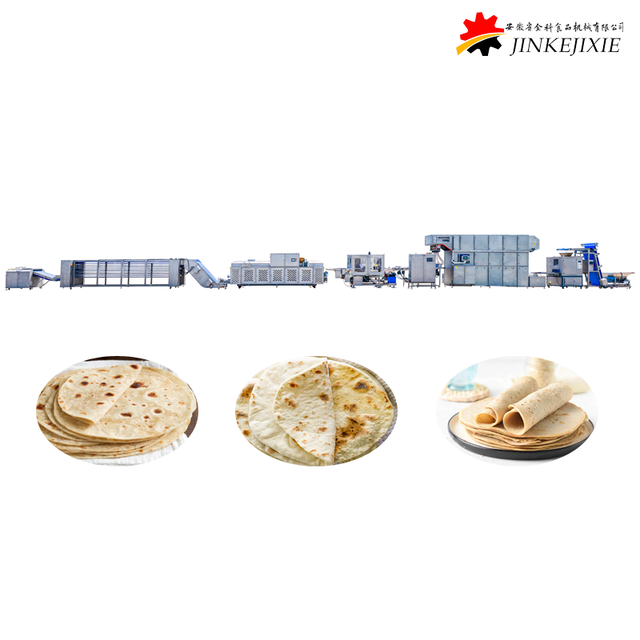
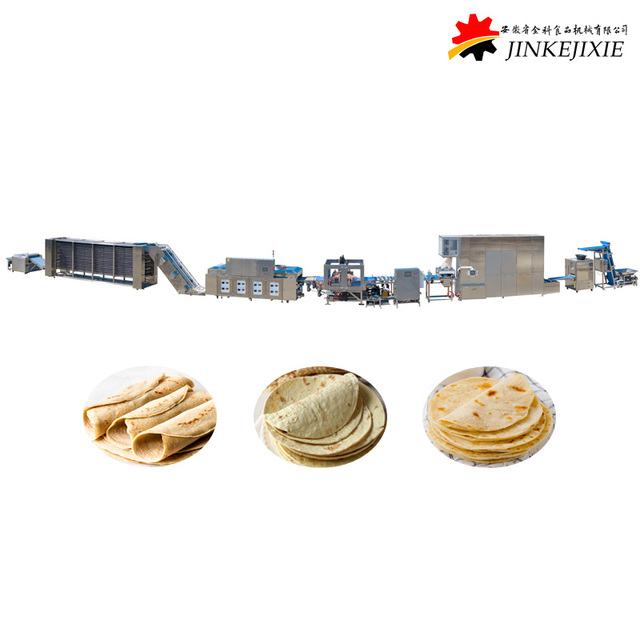
Do inconsistent cake sizes constantly derail your downstream packaging process? You are not alone. Fluctuating weights inevitably cause severe ingredient waste and noticeable profit loss on the factory floor. Manual methods and outdated machinery simply fail to maintain the strict commercial tolerances required in modern wholesale baking.
Implementing a high-performance Square Cake Production Line effectively solves this headache. In this comprehensive engineering guide, we break down the exact setup steps. You will discover the critical machinery needed to achieve flawless standardization from the mixing bowl to the flow-wrapper.
Why Precise Size and Weight Matter in Cake Production
Precision is not merely an aesthetic preference for commercial bakeries. It is the bedrock of operational efficiency. Production managers must maintain uncompromising tolerances to ensure the financial viability of the entire manufacturing cycle.
Seamless Packaging and Cost Control
Uniform sizes are absolutely critical for downstream automated packaging. Flow-wrapping machines and cartoners operate on exact dimensional parameters. A packaging line will instantly jam if a single cake is just three millimeters too wide. These micro-deviations lead to unexpected mechanical downtime, crushed products, and expensive packaging material scrap.
Exact weight control is also a strict legal and financial necessity. Commercial bakeries must comply with rigid net weight packaging regulations. Facilities relying on manual or semi-automatic setups often overcompensate to avoid hefty underfilling fines. This results in giveaway, literally giving away free ingredients with every package. Tightening these tolerances allows plant managers to significantly slash daily operational costs.
Industry Trends and Zero-Waste Manufacturing
Looking at recent industry shifts, the commercial baking sector is experiencing a massive push toward zero-waste manufacturing. Global commodity prices for specialized flours, eggs, and premium fats continue to surge. Bakeries can no longer afford a three to five percent scrap rate. Market analysis indicates a rapid adoption of inline vision systems and advanced cutting technology across top-tier facilities.
These upgrades do more than just increase output speed. Plant engineers specifically deploy them to minimize edge trim and maximize material yield. Today's competitive landscape dictates that absolute dimensional precision is a financial necessity rather than a simple quality assurance goal.
Core Components of a Square Cake Production Line
A complete commercial setup is never a single machine. It operates as a highly synchronized ecosystem of specialized apparatus working seamlessly together. Understanding these core modules is the first step toward optimizing facility output.
Automated Batter Mixing and Pumping Systems
Precision begins long before the batter reaches the tunnel oven. Automated mixing stations are engineered to control the specific gravity and aeration of the batter matrix. The final baked weight will vary wildly if the density fluctuates due to improper mixing times. Downstream depositor accuracy cannot fix poor upstream mixing. Integrated gentle-action pumping systems transfer this fragile batter to the main line without crushing its delicate cellular structure.
High-Precision Depositors and Extruders
The depositor serves as the beating heart of weight control. Industrial setups utilize volumetric or servo-driven piston depositors. They dictate the exact volume of batter dropped into baking frames or directly onto a continuous steel band. Operating with high-speed pneumatic precision ensures the mass dispensed in the first row is mathematically identical to the ten-thousandth row.
To better understand equipment selection, review this technical comparison of primary extrusion methods based on standard industry specifications.
Equipment Type
Primary Application
Core Extrusion Method
Standard Tolerance
Standard Square Cake Line
Sponge cakes, Swiss rolls
Servo-driven volumetric piston
± 1 to 2 grams per deposit
Sesame Square Cake Machine
Dense dough, seed-coated items
Heavy-duty reduction gauge rollers
± 1 percent total sheet weight
Automated Pie/Pastry Equipment
Stiff matrix, layered dough
Multi-stage dough pressing
± 1.5 millimeters thickness
Step-by-Step Setup for Accurate Weight Control
Achieving a weight variance of less than one percent requires systematic calibration, patience, and continuous monitoring on the factory floor.
Calibrating the Batter Depositor
The setup sequence originates at the Programmable Logic Controller touchscreen. Operators input the exact target weight. The software translates this data into the precise stroke length and speed of the depositing pistons. Technicians must initially purge the system by running blank cycles. This crucial step expels any trapped air pockets from the manifold.
Once cleared, operators set the stroke volume and fine-tune servo-parameters to match the desired specific volume. Finally, they conduct a test-and-weigh protocol. Technicians deposit a sample row directly onto a precision scale and calculate the average mass. They incrementally adjust the control panel settings until the target weight is perfectly dialed in across all nozzles.
Managing Dough and Batter Density
Ambient temperature fluctuations in the production hall drastically alter batter viscosity. Batter thins out as it warms up while sitting in the hopper. This lowered viscosity causes faster flow rates, resulting in heavier out-of-spec deposits. Modern facilities combat this by utilizing water-jacketed hoppers that maintain a constant chilled temperature. Stabilizing the thermal environment locks in the batter density and prevents frustrating weight drift across different shifts.
Utilizing Feedback Loops and Checkweighers
Modern production lines eliminate human guesswork by integrating sophisticated inline checkweighers. The system records the exact mass in milliseconds as raw deposited pans pass over the weighing belt. A closed feedback loop sends real-time data back to the depositor if the software detects a trend creeping toward the control limits. The depositor automatically micro-adjusts the piston stroke on the fly. This ensures continuous compliance without requiring a technician to stop the line.
Configuring the Line for Perfect Square Dimensions
Nailing the exact weight is only half the battle. Flawless dimensional geometry is mandatory for premium presentation and jam-free packaging.
Optimizing Baking Pans and Edge Guides
Heated batter naturally spreads outward when baking continuous sheets directly on an oven band. The line must be rigged with physical edge guides to maintain a uniform width. These heavy-duty guides constrain the lateral spread of the cake sheet during the critical early baking phases. Consequently, the edges remain perfectly straight, and the thickness remains uniform from the center to the extreme margins.
Setting Up the Cutting Mechanisms
Picture a massive continuous sheet of baked cake emerging from the cooling tunnel. Turning that golden expanse into perfect individual squares requires serious industrial cutting technology. Facilities generally choose between traditional mechanical guillotines and advanced ultrasonic cutters. Ultrasonic titanium blades vibrate at incredibly high frequencies. They slice through delicate crumb structures without applying downward pressure, which prevents the cake from squashing.
To configure your automatic square cake equipment for flawless geometry, operators focus on two critical axes. The X-axis calibration dictates the spacing of the circular slitting blades and determines the exact width of each square. The Y-axis calibration is programmed via the servo-driven cross-cutting guillotine. The intelligent servo motor perfectly synchronizes the blade drop speed with the continuous motion of the conveyor belt. This guarantees a razor-straight ninety-degree cut every single time.
Edge Trimming and Waste Management
Achieving perfect squares mandates edge trimming because the extreme edges of a baked sheet cake are often slightly tapered or crusty. Static slitting blades are positioned at the very edges of the conveyor to slice away these crusts. This strategic cut leaves only the perfectly flat uniform center of the sheet to be processed by the main slitting grid. Trimmed offcuts are typically diverted via a secondary scrap conveyor. Facilities systematically rework them into crumb bases or cake pops to maintain high material yield.
Specialized Applications: Setting Up a Sesame Square Cake Machine
Standard sponge cakes rely heavily on liquid batter depositors. However, denser dough-based products demand a completely different mechanical approach. A sesame square cake machine represents a highly popular modular setup designed specifically for firmer seed-coated bakery items.
Integrating Seed Coating Mechanisms
Applying seeds evenly without altering the carefully calibrated weight of the underlying cake requires precision engineering. The setup involves integrating a vibratory seed sprinkler or a rotary coating drum positioned directly over the conveyor. Operators calibrate the feeder to dispense a mathematically calculated curtain of sesame seeds. Immediately following the sprinkler, a gentle Teflon-coated tamping roller presses the seeds firmly into the surface of the raw dough. This ensures they adhere securely during the baking process without crushing the internal structure.
Dough Pressing and Rolling Calibration
Sesame square cakes are formulated from a stiffer dough matrix rather than an aerated batter. Therefore, volumetric piston depositors are swapped out for heavy-duty dough extrusion and rolling stations. Operators carefully calibrate a series of reduction gauge rollers. Each successive roller gradually reduces the thickness of the dough sheet. Stepping down from twenty millimeters to ten millimeters, and finally to five millimeters, prevents the gluten network from tearing. This gradual reduction results in a perfectly flat uniform sheet ready for the oven.
The Benefits of Upgrading to Automatic Equipment
Transitioning from semi-automatic or manual processes to a fully automated line requires significant capital investment. However, the operational returns are substantial, measurable, and rapid.
Drastic Reduction in Labor Costs
An automated line effectively replaces the grueling manual labor previously required for spreading batter, weighing individual pans, and hand-cutting baked goods. Centralizing operations through a single master control panel allows a facility to run a high-capacity line with just one or two supervising technicians. Plant managers can then reallocate their workforce to more complex value-added tasks, significantly slashing overhead labor costs.
High-Speed Output Without Quality Compromise
Pushing for higher production speeds in traditional manual setups usually results in a catastrophic loss of quality control. Modern automated machinery utilizes continuous-motion servo motors instead. These intelligent motors allow depositor heads and cutting guillotines to accurately track the speed of the moving conveyor belt. The line processes thousands of cakes per hour while maintaining strict millimeter and gram tolerances.
Enhanced Food Safety and Hygiene
Commercial automated lines are constructed almost entirely from food-grade stainless steel. They are engineered with sloped surfaces to prevent water pooling and feature highly rated waterproof electrical cabinets. Many high-end systems include automated Clean-In-Place functionality for the batter pumps and manifolds. This automated cleaning drastically reduces the downtime required for sanitation shifts and minimizes bacterial contamination risks.
Troubleshooting Common Inconsistencies on the Production Line
Production managers may occasionally encounter minor deviations in product specifications even with highly advanced machinery. Industrial baking is a complex scientific process. Slight fluctuations in ambient temperature, ingredient rheology, or mechanical calibration easily impact the final output. Establishing a systematic troubleshooting protocol is essential for maintaining high equipment effectiveness.
Fixing Uneven Baking and Crowning
Crowning is a frequent structural issue where the center of the cake sheet rises significantly higher than the edges. Cutting a crowned sheet into uniform squares becomes mathematically impossible without generating excessive top-trim waste.
Heat transfer occurs through radiation, convection, and conduction in a continuous tunnel oven. If the top radiant heat in the initial baking zones is too aggressive, the batter surface sets before the leavening agents have fully expanded. Trapped gases forcefully push the center upward. Operators resolve this by adjusting parameters to lower the top heat in the first zones while slightly increasing the bottom conductive heat. Verifying the specific gravity ensures moisture evaporates at a controlled rate to promote a flat even bake.
Resolving Weight Variations Between Rows
Strict weight control is the primary function of the depositing stage. Quality assurance may detect that one side of the cake sheet is consistently heavier than the other. The root cause usually lies within the manifold dynamics or the individual depositing nozzles.
Volumetric depositors rely on consistent fluid dynamics. Flow rates through outer nozzles decrease compared to center nozzles if batter viscosity changes due to temperature drops in the hopper. Engaging hopper jacket heating prevents the batter from thickening. Operators must routinely inspect nozzles for partial clogs caused by unmixed particulate ingredients or crystallized sugar. Balancing the individual pneumatic piston pressures on the lighter side restores equal volumetric extrusion across the entire belt width.
Addressing Jagged Edges During Cutting
Achieving perfect square dimensions requires clean surgical cuts. Jagged edges, tearing, or smearing ruin the aesthetic appeal and cause micro-variations in the final packaged weight. Cutting inconsistencies are generally related to blade temperature, cutting speed, or sticky residue buildup.
Mechanical guillotine blades must be kept razor-sharp and properly tensioned. Mechanical blades often generate friction when cutting dense or highly hydrated cakes, leading to crumb buildup. Ensuring proper blade heating helps the metal glide through fats and sugars. Implementing automated wiping systems significantly reduces jagged edges. Technicians running ultrasonic cutting systems should verify the titanium blade frequency generator operates at the correct amplitude and has not fallen out of tune.
What to Look for When Buying a Square Cake Production Line
Procuring industrial bakery equipment is a major structural decision that impacts a business for decades. Buyers must look beyond the initial price tag and evaluate machinery based on long-term reliability, precision, and adaptability.
Customization and Modular Design
Consumer preferences shift rapidly. Commercial bakeries must remain agile to survive. A rigid production line handling only one specific batter density severely limits operational flexibility. Prioritize modular designs that allow for rapid tool-less changeovers when evaluating equipment.
Modular systems enable facilities to quickly swap out liquid depositing heads for heavy-duty dough rollers. They allow rapid cutting grid changes to accommodate new products. This inherent flexibility ensures the same base line seamlessly transitions from delicate aerated sponge cakes to heavy-duty seed-coating operations without compromising uniform size and weight.
Advanced PLC and HMI Controls
The brain of any automated bakery line is its control system. Precision cannot be left to manual dials and guesswork. Buyers should demand systems equipped with advanced controllers paired with intuitive multi-language touchscreens.
Robust recipe management is the most critical feature to demand. This software capability allows the quality assurance team to save exact depositor speeds, oven zone temperatures, cooling times, and cutting dimensions for dozens of specific products. Operators switch between product profiles with the push of a single button. This completely eliminates human error during shift changeovers.
Reliable After-Sales Support and Training
The structural integrity and software sophistication of a production line are only as valuable as the team operating it. Evaluation must extend to the manufacturer's after-sales ecosystem.
Ensure the manufacturer provides comprehensive Factory Acceptance Testing and rigorous on-site support. Proper calibration during the initial installation phase is the absolute baseline for achieving uniform weight and size. Verify vendor guarantees for rapid spare parts availability and remote diagnostic capabilities. A reliable partner ensures your equipment maintains tight tolerances year after year.
Conclusion
Achieving uniform cake size and weight requires a meticulous combination of mechanical precision, thermodynamic control, and automated technology. Every step must be tightly regulated, from exact volumetric portioning at the depositor to zoned thermal processing in the tunnel oven. Integrating advanced servo-driven cutting systems allows bakeries to transform continuous baked sheets into flawless geometrically perfect squares. Investing in a high-quality automated setup drastically reduces product waste, slashes overhead labor costs, and guarantees strict packaging compliance. Upgrading your processing line ensures every single cake is perfectly identical, protecting profit margins and elevating brand reputation in a highly competitive market.
Frequently Asked Questions
What is the acceptable weight variance on a commercial production line?
Maintaining strict weight tolerances is critical for legal packaging compliance and cost control in high-volume commercial baking. High-quality automated lines typically maintain a weight variance of less than one to two percent per unit. This precision is achieved through servo-driven volumetric depositors calculating exact fluid displacement, combined with inline checkweighers providing continuous feedback loops. Keeping variance below two percent prevents costly giveaway while ensuring no product is rejected for being underweight.
Can a single production line handle different cake recipes and densities?
Yes, modern automated equipment is highly versatile and engineered to handle a broad spectrum of fluid rheologies. Operators adjust the pressure, speed, and stroke length of depositors through programmable screens. The equipment utilizes gentle pumping mechanisms for highly aerated sponge cakes to prevent degassing the batter. The system easily increases extrusion pressure for denser formulations like brownies or heavy pound cakes. Interchangeable nozzle plates further enhance flexibility across multiple recipes.
How does a sesame square cake machine differ from a standard cake line?
Standard cake lines primarily handle liquid or semi-liquid batters using piston depositors. A machine designed for sesame square cakes processes a much denser dough-like matrix. It replaces liquid depositing with heavy-duty gauge rollers that press and sheet the dough into a uniformly flat layer. It features integrated seed-sprinkling hoppers and secondary pressing rollers. These mechanisms ensure sesame seeds adhere uniformly to the surface without altering the carefully calibrated overall weight and thickness.
How often should the cutting blades be calibrated for precise dimensions?
Calibration frequency depends largely on the cutting technology employed and the production schedule. Mechanical guillotine and slitting blades require calibration and tension checks during every product changeover, or at least once per shift, to prevent dimensional drift. Ultrasonic cutting blades require less physical calibration regarding blade sharpness since they rely on frequency. However, the servo motors driving the axes of ultrasonic cutters should undergo routine software calibration monthly to guarantee exact millimeter precision.
How do we prevent cake waste when cutting into squares?
Modern production lines employ engineered solutions to minimize waste during edge trimming. Physical edge-guides are utilized on the baking band to prevent batter from spreading laterally, keeping the unbaked sheet close to the target width. Highly accurate servo-driven cutters calculate the most efficient grid pattern to maximize yield. The minimal edge trim removed is completely sanitary and systematically repurposed into cake pops or crumb toppings, ensuring near-zero material loss.
What is the standard cooling time before cutting square cakes?
Cooling times vary significantly based on crumb density and moisture content. Commercial sheet cakes generally require twenty to thirty minutes in an ambient or forced-air cooling tunnel. Cutting a cake while the internal core temperature exceeds thirty-five degrees Celsius causes severe smearing and sticky blade buildup. Proper thermal stabilization ensures the crumb structure is firm enough to yield razor-straight edges during the final cutting phase.
How do ultrasonic cutters compare to mechanical blades for bakery lines?
Ultrasonic cutters utilize high-frequency vibrations to slice through delicate products without applying physical downward compression. This advanced method prevents squashing and structural deformation at the cut site. Mechanical blades are highly cost-effective for dense doughs but require frequent heating and cleaning to avoid crumb drag. Upgrading to ultrasonic technology significantly lowers cutting waste and reduces maintenance downtime on premium cake lines.
Ready to eliminate ingredient waste and maximize your production yield? Upgrading your bakery floor requires the right technological partner. Whether you need an aerated sponge cake setup or a specialized dough-pressing matrix, choosing reliable machinery is your first step to profitability. Explore customized, high-precision automated solutions tailored to your facility's specific layout. Visit Tortilla-Machine.com to connect with our engineering team and configure the perfect production line for your commercial baking needs today.