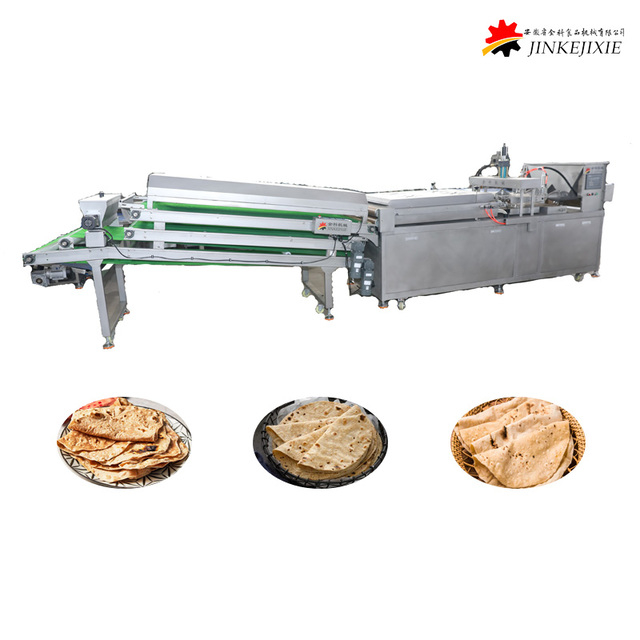
Can hand pressing keep up with growing tortilla demand? At scale, it can limit output and increase labor costs. Tortilla Production can benefit from continuous dough sheeting, offering better thickness control and production flow. Discover how sheeting compares with hand pressing and which method suits your factory.
Why Is Continuous Sheeting Better Than Hand Pressing?
The main advantage of continuous sheeting is its production structure. It processes dough through a connected forming sequence. Hand pressing relies on repeated individual operations. This difference becomes more important as daily production volume increases.
Higher Throughput for Large-Scale Tortilla Production
Hand pressing requires operators to position individual dough balls. Each piece must pass through a separate pressing cycle. Production therefore depends on operator speed and machine cycle time.
A continuous tortilla sheeter processes dough through rollers. It forms a sheet while the dough keeps moving. Cutting equipment then separates individual tortilla blanks. This arrangement reduces interruptions between forming operations.
For high-volume factories, continuous feeding can support a more stable production rhythm. However, actual output depends on roller width, line speed, dough properties, and cutter capacity. The entire line must support the forming section's output.
More Consistent Tortilla Thickness and Dimensions
Manual pressing can produce different results between operators. Pressure, positioning, and dough weight may vary. These differences can affect finished tortilla thickness and diameter.
A dough sheeter uses adjustable roller gaps. Operators set the required sheet thickness before production. Stable roller settings help produce more uniform dough sheets across continuous runs.
Consistent thickness also supports more predictable cutting and baking. It reduces unnecessary variation between products. Regular thickness checks remain important because dough temperature and elasticity can change during operation.
Lower Labor Requirements and Less Repetitive Handling
Manual forming involves repeated lifting, portioning, positioning, and pressing. These tasks require continuous operator attention. Large production volumes can increase staffing pressure.
Automated feeding and sheeting reduce these repetitive operations. Workers can focus more on equipment monitoring and quality inspection. This improves labor allocation across the factory.
However, automation does not eliminate all labor requirements. Operators still manage dough preparation, machine settings, cleaning, and maintenance. The real benefit comes from reducing manual forming work per finished tortilla.
Better Production Flow and Equipment Integration
Hand pressing often creates separate production cycles. Operators collect pressed products before transferring them downstream. This can make production flow harder to synchronize.
Continuous sheeting supports direct integration with cutting conveyors. Individual blanks can move toward baking equipment automatically. Cooling and stacking systems can then handle finished products.
This connected arrangement reduces unnecessary product handling. It also makes production planning easier. However, the baking oven and cooling system must match the forming section's actual output.
More Predictable Material Usage and Dough Handling
Manual pressing uses individual dough portions. Each portion must meet the required weight. Variations can create differences in finished product size.
Sheeting controls dough thickness across a wider area. Sheet width, cutter dimensions, and product spacing determine material usage. Manufacturers can adjust cutting layouts to improve dough utilization.
The process may still generate edge trim or defective sections. Recycling these materials depends on the recipe and food safety procedures. Buyers should evaluate actual dough yield during production trials.
Easier Production Scaling and Repeatability
Increasing manual output often requires additional operators or pressing stations. This can increase floor space and coordination requirements. It may also create greater variation between production shifts.
A continuous system offers another scaling path. Manufacturers can evaluate wider rollers, faster feeding, or additional processing capacity. Each change must match the downstream equipment.
Repeatability is another benefit. Once operators establish suitable settings, they can record and reuse them. This helps maintain consistent production conditions across batches.
Tip: Compare actual finished pieces per hour, not just roller speed. Include changeovers, cleaning, downtime, and rejected products in your calculations.
How Does a Continuous Tortilla Sheeting Process Work?
A continuous sheeting process converts prepared dough into flat sheets. Cutting equipment then creates individual tortilla blanks. The exact arrangement depends on the dough formulation and machine design.
Dough Preparation and Feeding
The process begins with properly mixed dough. Flour, water, oil, salt, and other ingredients must follow a controlled recipe. Hydration and elasticity affect how the dough moves through rollers.
Dough consistency should remain stable during feeding. Very sticky dough may attach to roller surfaces. Dough that is too stiff may resist smooth reduction.
A controlled feeding system helps maintain a steady supply. Operators should also monitor dough temperature and resting conditions. These factors influence sheet formation.
Progressive Dough Reduction Through Rollers
The dough enters the sheeting section as a thick mass. Rollers gradually reduce its thickness. Multiple stages can provide more controlled reduction than one aggressive pass.
Adjustable roller gaps determine the target thickness. Operators should avoid excessive pressure during the first reduction stage. Gradual processing can help reduce tearing and uneven deformation.
Roller alignment also matters. Uneven gaps may create different thicknesses across the sheet. Regular inspection helps maintain stable forming conditions.
Sheet Cutting and Tortilla Blank Formation
After reaching the required thickness, the dough sheet enters the cutting section. Rotary cutters or other suitable cutting tools create individual tortilla shapes. Cutter dimensions determine the finished diameter.
Cutting accuracy affects product appearance and material yield. Poor alignment may produce irregular edges. Incorrect spacing can also increase dough waste.
Manufacturers should test several cutting layouts. They should compare finished dimensions and usable dough yield. Edge trim handling must follow the factory's food safety procedures.
Transfer to Baking and Cooling
Formed tortilla blanks move toward the baking section. Transfer conveyors maintain product spacing and feeding stability. Their speed should match the cutter's output.
The baking oven develops the required color and texture. Temperature and residence time depend on product thickness and recipe. Uneven feeding can affect baking consistency.
After baking, tortillas enter a cooling system. Controlled cooling prepares them for stacking and packaging. The entire line must operate at compatible speeds.
Note: Not every tortilla production line uses continuous sheeting. Some systems divide dough into balls before pressing individual pieces.
What Are the Main Limitations of Hand Pressing and Dough Sheeting?
Neither forming method suits every factory. Production volume, product range, dough properties, and investment budget all influence the decision. Buyers should evaluate both methods against their actual requirements.
When Hand Pressing Remains a Practical Option
Hand pressing can suit small production batches. It offers flexibility for frequent product changes. Operators can also test new recipes without extensive equipment adjustments.
Initial equipment investment may be lower. Small manufacturers may not need continuous feeding systems. Their production volumes may not justify a larger automated line.
However, manual operations become harder to manage as orders grow. Labor requirements may increase quickly. Product consistency also depends heavily on operator skills.
When Continuous Sheeting Requires More Careful Control
Continuous sheeting depends on stable dough properties. Changes in hydration or elasticity can affect roller performance. Operators must monitor feeding and thickness throughout production.
Roller gaps and speeds require accurate adjustment. Poor settings may cause sticking or sheet tearing. Different recipes may also require different processing conditions.
Cleaning and maintenance need careful planning. Dough residue can collect around rollers and conveyors. The equipment should allow practical access to product contact areas.
How to Avoid Common Sheeting Problems
Uneven thickness may result from incorrect roller alignment. Operators should check gaps across the full working width. They should also inspect sheet thickness at several points.
Dough sticking may indicate unsuitable hydration or surface conditions. Sheet tearing can result from excessive reduction or poor dough elasticity. Adjustments should address the cause rather than only increasing roller pressure.
Irregular cutting may come from cutter alignment or unstable sheet movement. Excessive edge waste may indicate an unsuitable cutting layout. Production trials help identify the best settings.
Which Tortilla Production Equipment Supports High-Volume Sheeting?
A high-volume sheeting system requires compatible equipment. The forming section is only one part of the process. Dough preparation, cutting, baking, cooling, and stacking must work together.
Dough Mixer and Automatic Feeding System
A consistent dough mixer supports stable sheeting. It distributes ingredients and develops suitable dough properties. Recipe control helps reduce batch-to-batch differences.
Automatic feeding transfers dough into the forming section. A stable feed rate prevents sudden changes in material supply. This supports more consistent roller operation.
Manufacturers should confirm mixer capacity and feeding compatibility. Both systems must support the planned hourly output. Otherwise, the sheeter may experience material shortages.
Industrial Dough Sheeter and Thickness Control
An industrial dough sheeter uses rollers to reduce dough thickness. Its working width affects the available production area. Roller gaps and speed determine the forming conditions.
Buyers should confirm the adjustment range. They should also check roller surface materials and cleaning access. These details influence daily operation.
The selected machine must handle the actual dough recipe. A successful test should confirm thickness, sheet stability, and product dimensions. General equipment descriptions cannot replace product trials.
Automatic Cutting and Transfer Conveyor
Cutting equipment separates the continuous sheet into individual blanks. Cutter shape and dimensions should match customer specifications. Changeover requirements also matter when producing different sizes.
Transfer conveyors maintain spacing between products. Their speed must match cutting and baking capacity. Poor synchronization can cause overlap or product accumulation.
Buyers should evaluate cutter replacement and adjustment procedures. They should also confirm how edge trim is collected. These details affect material utilization and cleaning time.
Baking, Cooling, and Stacking Equipment
The baking oven must handle the output of the forming section. Temperature control and conveyor speed affect finished quality. Product thickness also influences baking requirements.
Cooling equipment reduces tortilla temperature before stacking. Sufficient cooling helps maintain product condition. The required cooling time depends on the recipe and packaging process.
Stacking equipment collects products into specified quantities. Its capacity should match the cooling conveyor. Otherwise, downstream accumulation can interrupt production.
Tip: Request a complete line layout before purchasing separate machines. Confirm every transfer point and capacity connection.
How Should Manufacturers Compare Sheeting and Pressing Equipment?
Equipment selection should begin with product requirements. Buyers should compare both technologies using measurable operating conditions. A machine's advertised speed alone cannot determine its suitability.
Compare Production Capacity and Actual Output
Ask suppliers for output at the required tortilla diameter. Confirm the target thickness and dough formulation. These factors affect actual production capacity.
Rated output may differ from sustained factory performance. Changeovers, cleaning, and minor stoppages reduce operating time. A production test provides a more realistic reference.
Comparison Factor
Hand Pressing
Continuous Sheeting
Forming method
Individual pressing
Continuous roller reduction
Labor demand
Higher manual involvement
More automated handling
Thickness control
Depends on pressing settings
Controlled roller gaps
Production flow
Repeated cycles
Continuous processing
Small batches
Often suitable
Depends on setup
Large-scale output
Requires more coordination
Supports continuous operation
Material waste
Depends on portion accuracy
Depends on cutting layout
Evaluate Product Flexibility and Changeover Requirements
Hand pressing can accommodate different products through plate adjustments. It may suit factories producing several small batches. Frequent changes can still require operator time.
Sheeting systems use roller and cutter settings. Different product sizes may require new cutting tools. Dough recipes may also require different roller adjustments.
Buyers should compare changeover time and tooling costs. They should test the full product range. This prevents selecting equipment based on only one product specification.
Check Automation, Cleaning, and Maintenance
PLC controls can support coordinated machine operation. Touchscreens may allow operators to adjust speed and other settings. Buyers should confirm which parameters are actually available.
Food contact materials and cleaning access deserve equal attention. Ask for material specifications and maintenance instructions. Check how operators can access rollers and conveyors.
Spare parts and technical support also affect long-term costs. Confirm delivery times and service arrangements. A reliable maintenance plan helps protect production continuity.
How Can Manufacturers Calculate the Value of Switching to Sheeting?
The investment decision should use actual factory data. Higher output alone does not guarantee better profitability. Labor, material yield, energy, maintenance, and demand all matter.
Compare Labor and Production Costs
Start by recording current labor hours. Include workers involved in portioning and pressing. Then calculate labor cost per finished tortilla.
Compare this figure with the proposed automated process. Include operators needed for feeding, monitoring, and cleaning. Do not assume automation removes every forming-related position.
Energy and maintenance costs must also be included. Compare total operating cost per usable product. This gives buyers a more balanced view.
Evaluate Material Yield and Reject Rates
Record dough input and finished product weight. Measure edge trim and rejected pieces. These figures show the current material yield.
Run the same calculation during a sheeting trial. Compare cutting layouts and sheet thickness. A better layout may improve usable dough output.
However, waste reduction depends on the actual cutter design. Some systems may require additional trim handling. Buyers should verify whether collected dough can safely re-enter production.
Estimate Payback Based on Actual Production Data
A simple payback calculation can support investment planning:
Payback Period = Initial Equipment Investment ÷ Annual Net Operating Savings
Annual savings should include verified labor and material improvements. Subtract additional energy and maintenance costs. Also consider installation and training expenses.
For example, assume a factory invests $120,000. Its verified annual net savings reach $40,000. The estimated simple payback period is three years. These figures are illustrative and require validation.
Tip: Use conservative output and savings assumptions. Include realistic downtime and product rejection rates.
Conclusion
Continuous sheeting improves tortilla production efficiency and thickness consistency at scale. Hand pressing remains suitable for smaller batches.
Anhui Jinke Foodstuff Machinery Co., Ltd. offers automated JKBP production lines. Their integrated mixing, dividing, pressing, baking, and cooling systems support reliable, efficient manufacturing.
FAQ
Q: What is sheeted tortilla production?
A: It uses rollers to form continuous dough sheets.
Q: Why is sheeting better for large-scale tortilla production?
A: It improves throughput and thickness consistency.
Q: How does a tortilla sheeter work?
A: Rollers reduce dough thickness before automatic cutting.
Q: Is sheeting better than hand pressing?
A: Sheeting suits high volumes; pressing suits small batches.
Q: What affects dough sheeting quality?
A: Hydration, elasticity, roller gaps, and feeding consistency.
Q: Does tortilla sheeting reduce production costs?
A: It can reduce labor costs and improve material utilization.