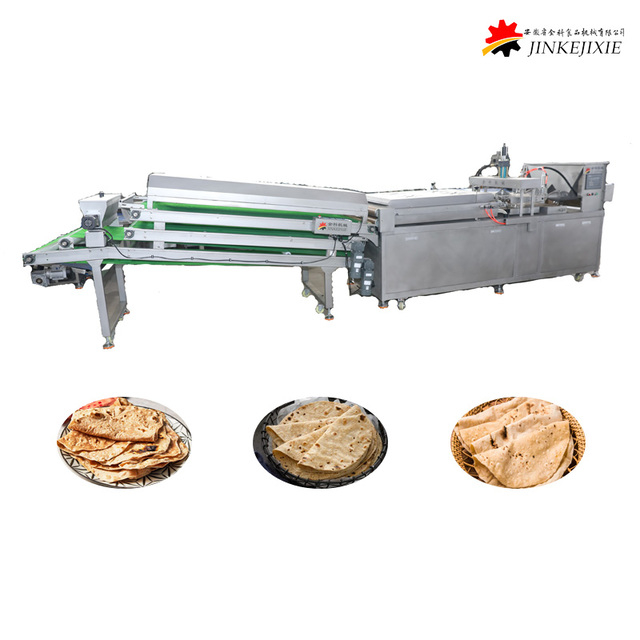
Can manual dough rolling keep up with growing production demands? As orders increase, output, labor costs, and dough consistency become harder to control. A commercial dough roller machine offers a different approach to Dough Rolling. This article compares both methods to help you choose the right solution.
Key Takeaways
Production output: Commercial dough rollers can improve processing speed and workflow consistency. Actual capacity depends on machine configuration and dough characteristics. Labor costs: Mechanical rolling reduces repetitive manual work. Savings depend on staffing, utilization, and equipment investment. Dough consistency: Adjustable roller gaps support repeatable thickness. Proper dough preparation remains essential for consistent results. Best application: Manual sheeting suits low-volume, flexible production. Commercial equipment better supports recurring orders and standardized processing.
Commercial Dough Roller vs Manual Dough Sheeter: What Are the Main Differences?
Working Principles: Motorized Rolling vs Manual Operation
A manual dough sheeter relies on physical effort. Operators feed, flatten, turn, and reposition dough during processing. They control pressure and thickness through their technique. This approach requires limited equipment investment. However, results depend heavily on individual experience and working speed.
A commercial dough roller uses powered rollers to flatten dough. Operators feed the prepared dough into the machine. The rollers apply controlled mechanical pressure across the working width. Depending on the model, operators can adjust roller gaps and processing speed. Some machines also include automatic feeding systems.
The main difference is process control. Manual sheeting depends on human movement and judgment. Mechanical Dough Rolling uses repeatable settings to reduce variation. For example, JinKe's Commercial Dough Roller Machine features adjustable thickness settings and an industrial processing design.
Production Output: Continuous Processing vs Batch Handling
Manual sheeting usually follows a batch-based workflow. Workers process one portion before preparing the next. Each portion requires attention during feeding and rolling. This limits output when production volumes increase.
Commercial equipment can maintain a more consistent processing rhythm. Powered rollers reduce the time spent on repetitive flattening. Automatic feeding can further reduce manual positioning. However, the machine still needs operators for preparation, monitoring, and handling.
Comparison Factor
Manual Dough Sheeter
Commercial Dough Roller
Processing method
Hand-operated
Motor-driven
Working speed
Depends on operator
Controlled by machine settings
Feeding
Manual
Manual or automatic
Thickness control
Operator judgment
Adjustable roller gap
Labor demand
More repetitive handling
Reduced repetitive work
Output stability
Depends on worker performance
More repeatable processing
Initial investment
Generally lower
Generally higher
Labor Requirements: How Many Workers Does Each Method Need?
Manual rolling requires workers to perform several tasks. These include portion handling, feeding, rolling, turning, and thickness checking. One operator may manage small batches. Larger workloads can require additional workers to maintain production speed.
A commercial dough roller reduces some of these repetitive tasks. One operator may handle feeding and monitoring, depending on the equipment design. Workers can then focus on dough preparation, product transfer, inspection, or packaging.
Tip: Compare labor hours per finished kilogram of dough, not only the number of machine operators.
Dough Thickness Consistency: Adjustable Settings vs Operator Control
Manual sheeting depends on pressure, rolling direction, and operator experience. Small differences can create uneven thickness. These variations may become more noticeable during large production runs.
Commercial rollers provide a more repeatable mechanical process. Operators can set the roller gap according to product requirements. Variable speed also helps match processing conditions to different dough formulations. This improves process control, although it does not eliminate variation caused by poor dough preparation.
Product Uniformity and Production Flexibility
Uniform dough sheets help downstream processes operate smoothly. Consistent thickness supports predictable cutting, shaping, cooking, and baking. Manual methods can achieve good results in experienced hands. However, maintaining the same standard across multiple operators can be difficult.
Commercial equipment is useful when businesses repeat the same product specifications. Operators can record working settings and reuse them for later batches. Different recipes may still require new adjustments. Therefore, buyers should evaluate the machine's adjustment range and actual product compatibility.
How Does Dough Rolling Equipment Affect Production Output?
Factors That Determine Commercial Dough Roller Capacity
The production capacity of a commercial dough roller depends on several factors. Roller width determines how much dough can pass through each working cycle. Feeding speed influences processing time. Roller gap settings affect the final thickness and may change the required number of passes.
Dough characteristics also matter. Hydration, elasticity, temperature, and gluten development influence how dough behaves during rolling. Sticky dough may require more careful handling. Highly elastic dough may shrink after processing. These conditions can reduce practical output.
Machine configuration is equally important. Automatic feeding can improve material flow. Variable speed settings help operators match the machine to the dough. However, a higher rated speed does not automatically guarantee higher finished-product output.
Why Manual Dough Sheeting Creates Production Bottlenecks
Manual processing becomes difficult when daily orders increase. Workers must repeatedly lift, position, flatten, and inspect dough portions. These tasks consume time even when individual operations seem simple.
Operator fatigue can also affect production consistency. Working speed may decrease during long shifts. Workers may need additional breaks or quality checks. When several people use different techniques, the final dough sheets may require more adjustment.
A commercial dough roller reduces these repetitive movements. It creates a more predictable processing rhythm. However, feeding, transfer, cleaning, and downstream equipment must also support the required production rate.
How to Calculate Practical Daily Dough Processing Output
Buyers should calculate actual output rather than relying only on advertised machine capacity.
Production Output = Processing Rate × Effective Operating Time
For example, assume a machine processes 300 kg of dough per hour. The production team plans to operate it for eight hours. If the machine achieves 80% effective operating time, the estimated daily output becomes:
300 × 8 × 80% = 1,920 kg per day
Illustrative calculation only. The 300 kg/hour rate and 80% utilization are assumptions, not verified JinKe machine specifications.
Effective operating time should account for cleaning, adjustments, material changes, maintenance, and unexpected stops. Buyers should also check whether the downstream production line can handle the same volume.
Tip: Rated capacity and actual daily output are different measurements. Always request a production test using your own dough formulation.
Commercial Dough Roller vs Manual Sheeter: Which Has Lower Labor Costs?
Direct Labor Costs and Operator Requirements
Manual dough processing creates recurring labor expenses. Workers spend time handling dough and maintaining thickness. Larger orders may require additional operators or overtime. These costs increase as production demand grows.
Commercial dough rolling can reduce repetitive labor. Operators mainly supervise feeding, settings, and product quality. This allows businesses to reorganize their workforce around more valuable tasks. However, automation does not mean zero labor requirements.
The actual saving depends on the previous workflow. A small bakery using one experienced worker may see limited savings. A factory operating several manual stations may achieve greater benefits after upgrading.
Hidden Costs of Manual Dough Processing
Labor wages are only part of the total cost. Manual rolling can also create indirect expenses. Inconsistent thickness may lead to rejected products or additional processing. Delayed batches can affect delivery schedules. Worker fatigue may increase the risk of handling errors.
A commercial dough roller can reduce some of these problems. Repeatable settings help maintain production standards. More stable processing also supports better scheduling. However, businesses must include electricity, maintenance, cleaning, and spare parts in their calculations.
Equipment Investment vs Long-Term Operating Costs
Manual equipment generally requires a lower initial investment. It may suit businesses with limited budgets or irregular production. Commercial machinery requires more capital. It also needs installation space, electrical supply, and operator training.
The correct comparison should cover the full operating period. Buyers should estimate labor savings alongside electricity and maintenance costs. They should also consider production growth and the cost of rejected products.
How to Estimate the Payback Period of a Dough Roller Machine
A simple payback model helps buyers evaluate equipment investment.
Annual Net Savings = Annual Labor Savings + Other Verified Savings − Additional Operating Costs
Payback Period = Initial Equipment Investment ÷ Annual Net Savings
For example, assume automation saves two labor hours per day. The hourly labor cost is $18. The factory operates 250 days annually.
Annual labor savings would be:
2 × $18 × 250 = $9,000
If additional annual operating costs equal $2,000, net savings become $7,000. A machine costing $21,000 would have an estimated three-year payback period.
Illustrative financial example. Actual investment, wages, and operating costs must be verified.
Tip: Use actual payroll and production records before approving an equipment investment.
How Does Each Method Affect Dough Consistency and Product Quality?
Dough Thickness and Sheet Uniformity
Thickness consistency affects both processing and finished-product quality. Uneven sheets may cook at different rates. Thin areas can dry out faster. Thick areas may require longer cooking or baking.
Manual sheeting depends on operator control. Experienced workers can produce uniform sheets, but maintaining the same result throughout a long shift is challenging.
A commercial dough roller provides adjustable roller gaps. Operators can set a target thickness and repeat the setting for later batches. JinKe's Automatic Dough Roller Machine lists adjustable roller gaps and variable speed control. Its published specifications include a maximum dough thickness of up to 20 mm.
Dough Texture and Mechanical Handling
Thickness is not the only quality factor. Dough texture depends on flour type, hydration, mixing, resting time, and temperature. These factors influence elasticity and resistance during rolling.
Excessive mechanical pressure can affect dough structure. Repeated rolling may also change its texture. Operators should therefore use suitable roller gaps and processing speeds. Dough should be prepared consistently before entering the machine.
A commercial dough roller does not automatically correct poor dough formulation. It provides a more controlled rolling process. Consistent ingredient ratios and preparation conditions remain necessary.
How Inconsistent Dough Rolling Affects Finished Products
Uneven dough sheets create problems in downstream operations. Cutting equipment may produce irregular shapes. Cooking times may vary between pieces. Finished products may also show differences in texture and appearance.
For tortilla and flatbread manufacturers, thickness variation can affect flexibility and cooking performance. For pizza production, it may influence crust structure and baking results. These issues can increase inspection and rework requirements.
Tip: Test thickness at several points across the sheet, not only at its center.
Which Dough Rolling Solution Fits Different Production Scales?
Small Bakeries and Low-Volume Production
Manual sheeting can remain practical for small bakeries. It requires limited investment and offers flexibility. Workers can handle different recipes and small batches without changing machine settings.
This method suits businesses with irregular orders. It also works when production volume does not justify commercial machinery. However, owners should monitor labor time and product consistency as demand increases.
Medium-Sized Bakeries and Growing Food Businesses
Growing bakeries often face a production transition. Manual rolling may no longer meet daily demand. Workers spend more time processing dough instead of preparing other products.
A commercial dough roller can improve workflow organization. It reduces repetitive handling and supports repeatable thickness settings. This makes it useful for bakeries producing pizza bases, pastry sheets, and flatbread.
For these businesses, equipment selection should reflect current demand and expected growth. A machine should not be oversized without a clear production requirement.
Large Flatbread and Tortilla Manufacturing Facilities
Large factories need consistent material flow. Dough preparation, rolling, cutting, forming, and baking must work together. A slow rolling stage can restrict the entire production line.
Commercial dough rollers can support this workflow. They help standardize dough thickness and reduce manual processing. Integration with feeding and downstream equipment can further improve production continuity.
JinKe also provides Dough Preparation Equipment for different processing stages. Buyers can evaluate individual machines according to their factory layout and production requirements.
What Should Buyers Check Before Choosing a Commercial Dough Roller?
Adjustable Dough Thickness and Roller Configuration
Start with the required product specifications. Identify the minimum and maximum dough thickness. Check the working width and roller gap adjustment range. Confirm whether the machine can handle your dough formulation.
The published JinKe model specifies a maximum thickness of up to 20 mm. Its technical information also lists a digital adjustment interface and variable speed control. Buyers should confirm the required configuration before ordering.
Processing Capacity and Compatibility with Existing Equipment
Capacity should match the entire production workflow. Check whether the roller can receive dough from the preparation stage. Confirm whether it can supply enough material for cutting, shaping, and cooking equipment.
A machine with high processing speed may still create bottlenecks elsewhere. Conveyor dimensions, feeding methods, and product transfer need attention. Buyers should request a complete workflow assessment before installation.
Cleaning, Food-Grade Construction and Maintenance
Food processing equipment requires suitable hygiene design. Check food-contact materials, surface accessibility, removable components, and cleaning procedures. These factors influence sanitation time and production downtime.
The JinKe product page describes food-grade stainless steel construction and removable components for cleaning. It also lists safety interlocks that stop roller operation when protective covers open.
Maintenance should also be considered. Ask about wear parts, replacement intervals, technical documentation, and spare parts availability. A clear maintenance plan helps protect equipment availability.
Customization and Technical Support
Different factories have different production requirements. Some need specific working widths or machine dimensions. Others require integration into existing conveyors or processing lines.
Buyers should discuss product samples and technical requirements before ordering. Provide dough type, target thickness, daily output, and available installation space. This information helps the manufacturer evaluate a suitable configuration.
Tip: Request a dough trial before purchase. Test thickness, texture, feeding stability, and cleaning time.
Conclusion
Commercial dough rollers improve production efficiency, reduce repetitive labor, and support consistent dough thickness. Manual sheeting remains suitable for smaller batches.
JinKe provides commercial dough roller machines featuring adjustable thickness and variable speed. Its equipment helps food manufacturers improve processing consistency and streamline production workflows.
FAQ
Q: What Is a Commercial Dough Roller Machine?
A: It uses powered rollers for consistent Dough Rolling and adjustable thickness.
Q: Is Commercial Dough Rolling Faster Than Manual Sheeting?
A: Yes. A commercial dough roller reduces repetitive handling and improves output.
Q: How Does Dough Rolling Affect Consistency?
A: Adjustable roller gaps help maintain uniform dough thickness.
Q: Does a Dough Roller Reduce Labor Costs?
A: Yes. It reduces manual work and improves labor efficiency.
Q: Is a Commercial Dough Roller Worth the Investment?
A: It suits growing bakeries requiring higher output and consistent production.