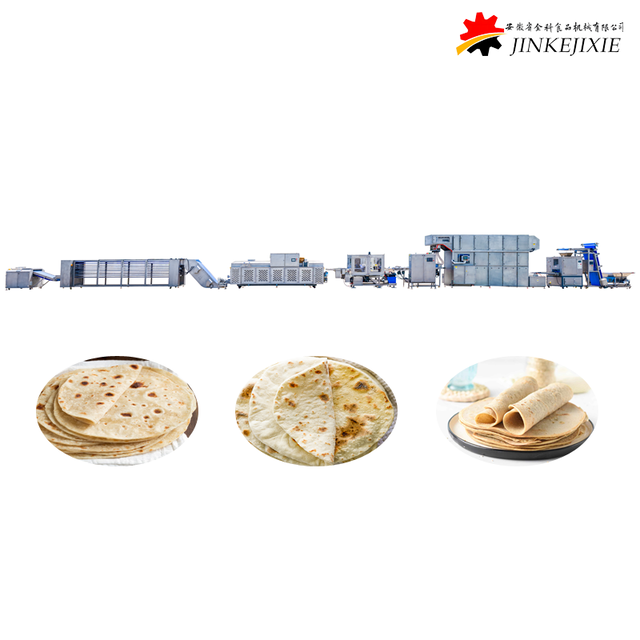
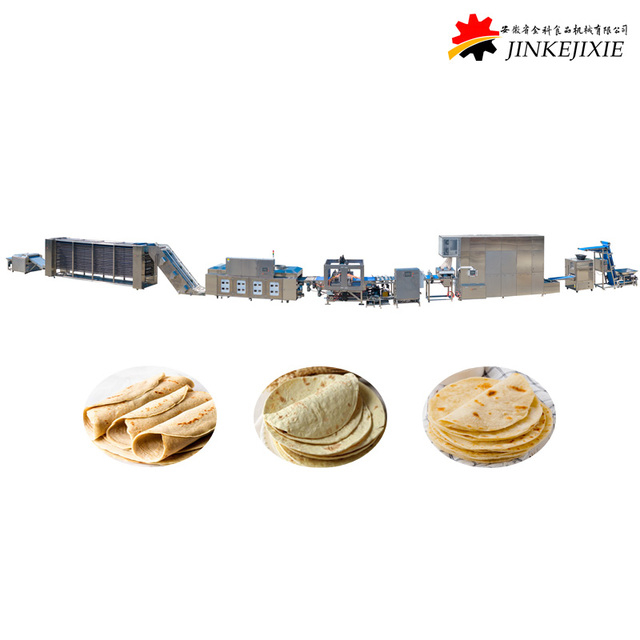
For commercial food manufacturers and industrial bakeries, producing chapatis at scale comes with a massive challenge. You must maintain that fresh, home-cooked softness long after the flatbread leaves the oven. When chapatis turn dry, chewy, or brittle on the supermarket shelf, brand reputation plummets. Customer loyalty suffers immediately. The secret to retaining moisture and preventing staling does not just lie in the recipe itself. Rather, it requires a flawless synergy between ingredient science, precise temperature control, and state-of-the-art processing equipment. In this comprehensive guide, we will explore the exact industrial techniques used to prevent moisture loss. We will also examine why investing in a high-performance Automatic Chapati Machine is the ultimate solution for scaling your business without sacrificing product quality.
Key Takeaways
Moisture Management is Everything: The primary cause of hard chapatis is moisture loss and starch retrogradation after baking.
Hydration and Kneading Matter: Achieving the perfect water-to-flour ratio using automated mixers ensures the gluten network traps moisture effectively.
Flash Baking Prevents Drying: High-temperature, short-time baking seals in steam and keeps the bread pliable.
Controlled Cooling is Crucial: Chapatis must be cooled on specialized conveyors to the exact ambient temperature before packaging to prevent condensation and mold.
Machinery Makes the Difference: Upgrading to automated equipment guarantees the consistency, uniform thickness, and precise heat control required for extended shelf-life softness.
The Science of Chapati Softness in Commercial Production
From an engineering perspective, the moment a flatbread leaves the oven, a strict thermodynamic countdown begins. Industrial food manufacturing requires a deep understanding of this chemical process. It dictates the final texture of the product. Mastering this phase is the first step toward extending shelf life and reducing waste.
Understanding Starch Retrogradation
Starch retrogradation is the primary scientific reason flatbreads lose their soft texture over time. Wheat flour contains two main types of starch: amylose and amylopectin. During the baking phase, these starches absorb water and gelatinize. This creates a soft, flexible structure. However, as the chapati cools down and ages, the starch molecules naturally begin to realign into rigid crystalline structures. This recrystallization actively forces water out of the starch matrix. The result is a tough, hard, and brittle texture. In a commercial setting, delaying this retrogradation is non-negotiable for extending product viability.
The Role of Moisture Migration
Beyond chemical changes, physical moisture migration is another critical factor in flatbread staling. Water naturally moves from areas of high moisture concentration—typically the center of the flatbread—to areas of lower concentration. This includes the crust and the surrounding air. If the chapati is not properly sealed during baking, or if the internal steam escapes too quickly, this moisture evaporates rapidly. Managing this migration requires precise environmental control over both the heating and subsequent cooling phases.
Why Industrial Baking is Different from Home Cooking
Home-cooked chapatis are typically consumed within minutes of leaving the stove. This makes long-term moisture retention irrelevant. In contrast, industrial mass production faces severe logistical hurdles. Commercial flatbreads must withstand prolonged exposure to factory air during processing. They also endure extended transit times in delivery trucks and potentially weeks sitting on supermarket shelves. These rigorous demands mean that traditional home recipes are simply insufficient. Industrial bakeries must rely on advanced ingredient formulations and highly controlled automated environments to replicate and preserve that freshly baked quality.
Perfecting the Dough: Hydration, Ingredients, and Resting
The foundation of a soft chapati begins long before the dough ever reaches the heat. Proper dough preparation is a critical step in commercial manufacturing. It fundamentally dictates how well the bread will hold up over time under ambient conditions.
Optimal Water-to-Flour Ratios
Industrial dough requires highly specific hydration levels to ensure early starch gelatinization. Imagine mixing a 100-kilogram batch of flour; even a two percent variance in water content can ruin the entire production run. Commercial facilities must maintain strict, metered water-to-flour ratios. Operators often utilize warm water to accelerate hydration. Proper hydration ensures that the gluten network develops fully. This creates a strong, elastic web capable of trapping steam. Under-hydrated dough will inevitably result in a dry, cracking final product, regardless of how perfectly it is baked.
Using Dough Conditioners and Emulsifiers
To combat moisture loss on a massive scale, bakeries incorporate specific dough conditioners and emulsifiers. Natural enzymes, food-grade emulsifiers, and a controlled percentage of lipids like oil or ghee are added to the mix. These ingredients serve a vital mechanical purpose. They coat the gluten strands and actively interfere with starch recrystallization. By creating a microscopic lipid barrier around the starches, emulsifiers effectively lock in internal moisture. This significantly delays the staling process and keeps the crumb soft for weeks.
The Importance of Automated Dough Resting
Resting, or proofing, the dough is vital for gluten relaxation. If dough is pressed immediately after mixing, the tense protein network will shrink and harden under the heat. Modern automated setups typically integrate climate-controlled resting conveyors. This precise resting phase relaxes the proteins, ensuring the dough remains pliable. Consequently, the final product is significantly softer and much less prone to mechanical shrinking during the pressing phase.
Precision Pressing and Uniform Thickness
Consistency in physical dimensions is just as important as the chemical composition of the dough. Without uniform thickness, achieving maximum softness across an entire batch is practically impossible. In fact, dimensional variance is the enemy of thermal control.
How Uneven Thickness Ruins Softness
In commercial baking, uneven dough thickness is a primary cause of texture failure. If a chapati has thick and thin spots, the thermal dynamics of the oven will affect it disproportionately. The thinner areas will dehydrate instantly. They burn and turn into brittle, cracker-like sections. Meanwhile, the thicker spots may remain undercooked and doughy, creating a breeding ground for mold. This inconsistency ruins the eating experience and accelerates moisture migration, as the dry spots pull water from the softer areas.
The Role of Advanced Machinery
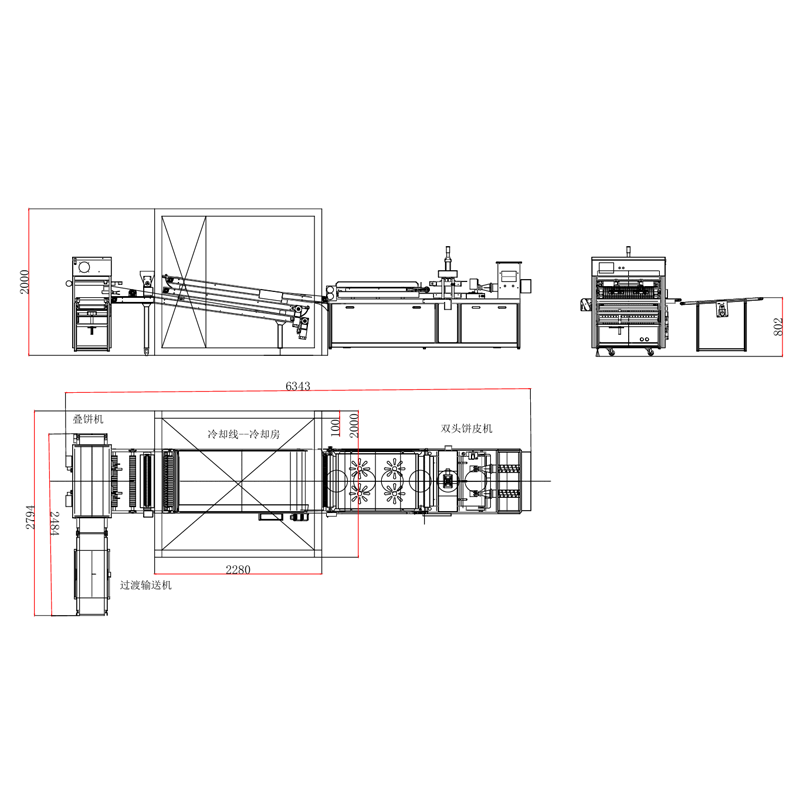
Achieving perfect uniformity requires heavy-duty engineering. Modern equipment, such as a high-quality multi-function chapati machine, utilizes precision rollers and calibrated heated presses to guarantee flawless execution. These machines offer adjustable thickness controls ranging from 1 to 3 millimeters, ensuring that every single flatbread maintains exact dimensions. By standardizing the physical profile down to the millimeter, industrial bakeries can lock in their baking times and temperatures. This guarantees predictable, repeatable softness across tens of thousands of units produced per hour.
Heat-Pressing vs. Cold-Rolling
The method used to flatten the dough also impacts moisture retention. Cold-rolling can sometimes tear the delicate gluten network if not carefully managed by experienced operators. Alternatively, applying a slight heat press just before the dough enters the baking tunnel provides a massive mechanical advantage. The heated plates instantly sear the outermost layer of the dough. This micro-sealing effect traps internal moisture early in the production process. It prevents vital steam from escaping prematurely into the factory atmosphere.
Optimal Baking Temperatures and Tunnel Oven Dynamics
The thermal dynamics of the baking process dictate exactly how much moisture remains in the final packaged product. Picture the dough entering a blazing tunnel oven; the next 60 seconds will determine its shelf life. Precision heating is what separates a premium product from a stale failure.
The Flash Baking Technique
Slow baking is the ultimate enemy of soft flatbreads. Exposing dough to moderate temperatures for an extended period acts exactly like a dehydrator. It draws out essential water content layer by layer. To prevent this, industrial facilities utilize the flash baking technique. By baking chapatis at extremely high temperatures—typically ranging from 200°C to 260°C—for a very short duration, the dough cooks rapidly without surrendering its internal hydration. This high-temperature, short-time method is absolutely critical for maintaining flexibility.
Multi-Tier Baking Operations
Commercial tunnel ovens are engineered for complex, targeted heat distribution. A standard flatbread chapati line often features multi-tier baking conveyors that automatically flip the chapati. This exposes the bread to distinct heat zones. For instance, the initial zone provides intense bottom heat to trigger rapid steam generation. The subsequent zone applies targeted top heat to achieve characteristic char marks. Independent upper and lower heating controls ensure thorough cooking while vigorously safeguarding the core water content.
Puffing as a Softness Indicator
The puffing of a chapati is not merely an aesthetic requirement. It is a vital mechanical indicator of softness. When the flatbread puffs, it signifies that internal moisture has successfully converted into steam and is trapped within the dough layers. This trapped steam gently cooks the interior crumb from the inside out. If the baking temperature is too low, the steam escapes slowly. The chapati fails to puff, and the resulting bread becomes dense, flat, and extremely tough.
The Critical Cooling Process Before Packaging
Once the chapati leaves the oven, the battle to retain softness enters its most delicate phase. How the product is handled as it returns to room temperature can make or break the entire production batch. Thermodynamics play a massive role here.
The Danger of Hot Packaging
Packaging flatbreads while they are still hot is a catastrophic error. Hot chapatis continue to release significant amounts of steam. If sealed inside a plastic pouch, this steam rapidly condenses on the inner walls of the packaging. This creates a highly humid micro-environment. This condensation, commonly known as sweating, leads to soggy, unappetizing bread. Furthermore, it creates the perfect breeding ground for rapid bacterial and mold growth, destroying the product's viability overnight.
The Danger of Over-Cooling
Conversely, allowing the chapatis to cool for too long in an open factory environment is equally damaging. Ambient factory air is often exceptionally dry. Prolonged exposure will strip the flatbread of its surface moisture. This rapid surface dehydration causes the edges to curl and crack. It turns a perfectly baked soft chapati into a stale product before it even reaches the sealing station.
Automated Cooling Conveyors
To achieve the perfect thermodynamic balance, industrial systems integrate multi-tier cooling conveyors. These automated tracks transport the flatbreads over a calculated distance. They use controlled ambient airflow to bring the product down to the exact room temperature quickly and hygienically. This precision ensures that the chapatis are cool enough to prevent condensation, yet packaged swiftly enough to prevent environmental dehydration.
Industry Trends: The Shift Towards Clean-Label Softness
Recent market analyses regarding flatbread preservation highlight a significant shift in consumer preferences. Today's shoppers actively scrutinize ingredient lists. They demand extended shelf life without the inclusion of artificial chemical preservatives. Consequently, the commercial bakery sector is pivoting toward clean-label strategies. Instead of relying heavily on synthetic additives to keep chapatis pliable, industry leaders are leveraging advanced thermodynamic control and natural enzymatic dough conditioners. This shift underscores a vital reality. Mechanical perfection during the baking and cooling phases is now the primary driver of shelf stability. Manufacturers are increasingly adopting automated systems that offer precise heat profiling and sterile cooling environments. This allows them to meet stringent clean-label demands while still achieving a multi-week ambient shelf life.
Advanced Packaging Solutions for Maximum Shelf Life
The final barrier against moisture loss and staling is the packaging technology utilized by the manufacturer. Even perfectly baked bread will stale rapidly if exposed to the wrong atmosphere. You must protect the product from ambient oxygen.
Modified Atmosphere Packaging
Modified Atmosphere Packaging is a gold standard in commercial flatbread preservation. Normal atmospheric air contains oxygen. Oxygen accelerates staling and promotes mold growth. This packaging technology flushes the pouch with a specific blend of inert gases—typically nitrogen or carbon dioxide—displacing the oxygen before sealing. By removing oxygen from the equation, the system significantly slows down the chemical degradation of the starches. It extends the softness of the chapati for weeks.
High-Barrier Films
The effectiveness of inert gas flushing is entirely dependent on the material used to enclose the product. Industrial food packaging relies on high-barrier plastic films engineered to prevent gas and moisture transmission. These multi-layered films act as a fortress. They ensure that the inert gases remain inside the pouch while preventing external dry air from penetrating. Without high-barrier films, even the best-baked chapati will eventually succumb to moisture migration.
Equipment Selection: Why Upgrading to Automated Machinery is the Ultimate Solution
For industrial bakeries, maintaining the delicate balance of moisture, texture, and shelf life is a complex operational challenge. Transitioning from semi-automated or manual processes to fully automated machinery addresses the root causes of staling, moisture loss, and uneven baking at scale. Let us look at the exact parameters that separate basic setups from professional production lines.
Core Comparison: Manual vs. Fully Automated Lines
Production Parameter
Manual / Semi-Automated Process
Fully Automated Chapati Line
Thickness Control
Highly variable, prone to human error
Precision rollers, exact 1 to 3 mm tolerance
Baking Temperature
Inconsistent surface contact, heat loss
Independent upper/lower zones up to 300°C
Moisture Retention
Poor, steam escapes during uneven pressing
Excellent, heat-pressing micro-seals dough
Output Capacity
Low throughput, high labor costs
High-speed output, 1000 to 3000 pcs/hr
Cooling Consistency
Random ambient exposure, high condensation risk
Calculated multi-tier conveyor cooling
High-Speed Output Without Quality Loss
Scaling production often forces bakeries to compromise on quality, particularly when attempting to accelerate baking times. However, modern industrial equipment is specifically engineered to handle high-throughput demands while maintaining strict thermal profiles. These continuous-flow systems are capable of producing thousands of units per hour without deviating from optimal baking parameters. The synchronization of conveyor speed and oven temperature allows manufacturers to maximize their return on investment. You increase output volume while strictly adhering to quality control standards.
Versatility for Your Bakery Operations
Consumer demand in the bakery sector is increasingly diverse. Investing in single-purpose machinery limits operational flexibility. High-quality automated systems provide the mechanical adaptability required to diversify product lines without requiring additional capital expenditure. Operators can easily switch between producing thin chapatis, thicker rotis, tortillas, and pita breads. You simply adjust the digital parameters on the programmable logic controllers. This adaptability ensures that moisture-locking techniques can be seamlessly applied across your entire product portfolio.
Conclusion
Keeping chapatis soft after industrial baking is a delicate, precise balance of food science, timing, and environmental control. From nailing the perfect dough hydration and utilizing natural emulsifiers to implementing advanced packaging, every single engineering step matters. However, the true foundation of consistent, soft, and shelf-stable flatbread lies in the processing equipment you utilize. By integrating fully automated mixing, pressing, flash-baking, and cooling systems into your production facility, you eliminate the thermodynamic variables that cause staling and drying. Upgrading your production line is not just an increase in capacity. It is the smartest strategic move to scale your bakery, protect your brand reputation, and deliver the softest chapatis to your customers every single time. If you are ready to modernize your production line, explore the high-performance solutions available at tortilla-machine.com to find the exact equipment that matches your capacity and quality requirements.
Frequently Asked Questions
How long can industrially baked chapatis stay soft?
When produced under optimal industrial conditions, commercially baked chapatis can maintain their softness and flexibility for anywhere from 7 days to over three weeks at ambient room temperature. This extended shelf life is achieved through a systematic approach to moisture management. It requires the precise application of dough conditioners, high-temperature flash baking to lock in internal steam, and utilizing Modified Atmosphere Packaging to replace oxygen with inert gases. This slows down starch retrogradation and inhibits microbial growth.
Does the type of flour affect the softness of the chapati?
Yes, the physiochemical properties of the flour fundamentally dictate the moisture retention capabilities of the final product. Industrial production typically requires high-quality whole wheat flour, commonly known as Atta, with a finely milled texture and an optimal protein content ranging between 10 and 12 percent. Flour with appropriate protein levels forms a robust gluten network capable of trapping water molecules effectively. Conversely, flours with coarse bran particles can disrupt the gluten matrix. This leads to microscopic tears that allow steam to escape during baking.
Can automated machinery handle different types of flatbreads?
Absolutely. The engineering behind modern automated flatbread lines is centered on operational versatility. These advanced systems are equipped with programmable controls that allow operators to adjust critical variables such as roller clearance, pressing force, conveyor speed, and thermal zone temperatures. Because of this adaptability, a single production line can seamlessly transition from producing highly hydrated chapatis to thicker flatbreads like pita, rotis, or flour tortillas. This guarantees maximum softness across various product types.
Why are my commercially baked chapatis cracking at the edges?
Cracking edges are a common quality control issue indicative of rapid moisture loss or mechanical stress. This defect usually stems from under-hydration of the dough, uneven pressing, or incorrect thermal profiling during baking. If the pressing rollers are not calibrated correctly, the edges may be pressed too thin. This causes them to dehydrate instantly in the oven and turn brittle. Utilizing calibrated automated rollers resolves this by delivering millimeter-exact uniform thickness, ensuring the edges cook at the exact same rate as the center.
Is it necessary to add oil to the commercial chapati recipe?
While traditional home-cooked chapati recipes often rely exclusively on whole wheat flour and water, industrial production environments present unique challenges that typically necessitate the addition of lipids. Incorporating a small, precisely measured percentage of oil, ghee, or food-grade emulsifiers is highly recommended for commercial scaling. These fats coat the gluten strands and starch granules. They act as a hydrophobic barrier that significantly slows down the migration of water from the crumb to the crust, thereby delaying the staling process.
Why do commercially packed chapatis smell sour sometimes?
A sour smell in packaged chapatis is typically a clear indicator of bacterial fermentation or rapid spoilage. This almost always occurs when the flatbreads are packaged before they have cooled sufficiently. The residual heat creates condensation inside the sealed bag, leading to a high-moisture environment that encourages the rapid multiplication of bacteria and mold. Utilizing automated cooling conveyors to bring the product down to exact ambient temperatures before sealing is the standard engineering solution to prevent this issue.
What is the ideal packaging temperature for industrial flatbreads?
From a thermodynamic standpoint, the ideal packaging temperature for industrial chapatis is exactly at or slightly below the ambient room temperature of the facility, typically between 20°C and 25°C. Packaging at temperatures higher than this will cause internal sweating and moisture buildup inside the film. Cooling them too far below ambient temperature in a dry factory environment will strip the surface moisture, leading to premature staling and cracking before the product even reaches the consumer.