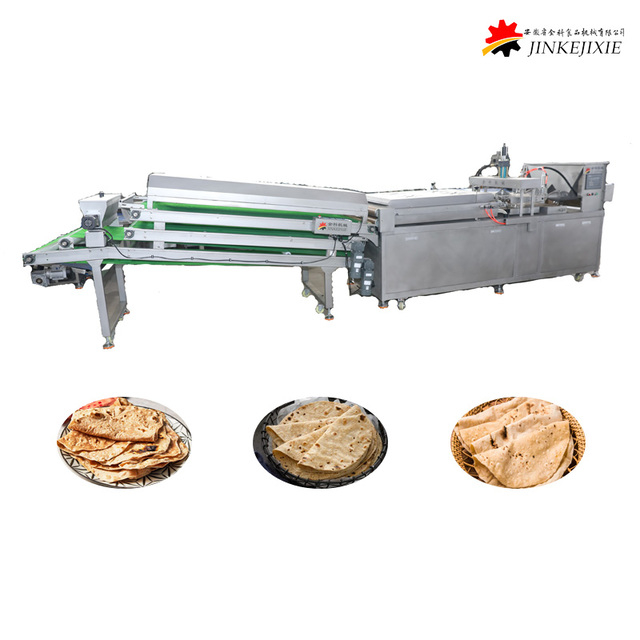
Can small roller adjustments change your dough quality? Absolutely. Roller diameter and gap settings influence dough thickness, texture, and consistency. This guide explains how to optimize Dough Roller settings. Learn practical adjustment methods for better processing results.
How Do Roller Diameter and Gap Setting Affect Dough Quality?
What Does Roller Diameter Mean in a Dough Roller Machine?
Roller diameter refers to the outside diameter of the cylindrical rollers used to flatten dough. It is an important mechanical dimension. Together with roller spacing, surface design, and rotation speed, it affects how dough passes through the machine.
A roller's diameter influences its circumference and contact geometry. These factors affect the length of the contact zone during rolling. They also influence how the machine applies deformation to the dough. However, diameter alone does not determine the pressure applied to the material.
Different machines use different roller configurations. Their dimensions should match the intended product, dough characteristics, and production requirements. Buyers should therefore evaluate the complete roller assembly rather than selecting equipment based only on diameter.
What Is a Dough Roller Gap Setting?
The roller gap is the distance between the working surfaces of two opposing rollers. It determines the available opening through which dough passes. A smaller gap generally produces a thinner sheet, while a larger gap allows thicker dough to pass.
Operators use gap adjustments to control the reduction of dough thickness. Some machines provide manual adjustment, while others use digital controls. The available adjustment range depends on the machine design.
The gap is not always equal to the finished dough thickness. Dough can expand or recover slightly after leaving the rollers. Its elasticity, hydration, and temperature influence this behavior. Therefore, operators should measure the finished sheet before confirming a setting.
How Does Roller Diameter Influence Dough Compression?
Roller diameter affects the geometry of the contact zone. A larger roller may create a different contact length and deformation pattern than a smaller roller. The result depends on roller spacing, material behavior, and machine configuration.
During rolling, dough experiences compression and deformation. Excessive or uneven deformation can damage its structure. This is particularly important for laminated pastry, where the dough and fat layers must remain properly distributed.
The goal is not to maximize compression. Instead, the machine should reduce dough thickness while maintaining suitable texture and structure. Proper roller configuration helps create stable processing conditions.
How Does Roller Gap Affect Final Dough Thickness?
Roller gap is one of the most direct settings affecting dough thickness. When operators reduce the gap, the dough generally leaves the rollers thinner. Increasing the gap allows a thicker sheet to pass through.
However, the relationship is not always one-to-one. Dough may compress during rolling and partially recover afterward. Different recipes also respond differently under similar settings.
For this reason, operators should use the target finished thickness as the reference. They should adjust the gap gradually and measure the actual result. This method provides more reliable control than relying only on machine scale markings.
Why Do Roller Diameter and Gap Need to Work Together?
Roller diameter defines part of the mechanical contact geometry. Roller gap controls the available opening. Both influence the deformation process, but they cannot replace each other.
Feeding speed also matters. Faster feeding may change the way dough enters the contact zone. Dough elasticity and resistance can affect how it responds. Operators must consider these factors together when adjusting a commercial machine.
A suitable configuration should support the required thickness and production stability. JinKe's Dough Roller equipment provides a starting point for evaluating commercial dough preparation solutions.
What Happens When Roller Diameter or Gap Is Incorrect?
Incorrect roller settings can create several processing problems. A gap that is too small may cause excessive compression. Dough may tear, stick, or lose its intended structure. A gap that is too large may leave the sheet thicker than required.
Uneven roller alignment can produce different thicknesses across the sheet. Feeding problems may also cause wrinkles or irregular edges. These defects can affect cutting, forming, and baking operations.
The following table summarizes common setting issues.
Setting or Condition
Possible Dough Result
Gap too small
Excessive compression or tearing
Gap too large
Dough remains too thick
Rollers not parallel
Uneven sheet thickness
Unstable feeding
Wrinkles and irregular edges
Unsuitable roller configuration
Poor processing stability
Excessive repeated rolling
Changes in dough structure
Note: Always check dough condition before changing mechanical settings. Recipe problems can produce symptoms similar to equipment problems.
How to Choose the Right Roller Diameter for Different Dough Applications?
Small-Diameter vs Large-Diameter Rollers
Small and large rollers create different contact geometries. Their suitability depends on the required sheet thickness, machine structure, and processing method. A smaller roller may provide a compact equipment design. A larger roller may create a longer contact zone under certain operating conditions.
However, neither configuration is automatically better. Roller diameter must work alongside motor power, gap adjustment, surface finish, and feeding speed. The complete machine determines its processing performance.
Buyers should compare actual dough samples. They should also request technical drawings and confirm the available adjustment range before ordering.
Roller Diameter for Soft and Elastic Dough
Soft dough can deform easily under mechanical pressure. Highly elastic dough may also shrink after rolling. These characteristics make roller configuration and gap adjustment important during production.
Operators should avoid aggressive thickness reduction. Gradual processing can help limit excessive deformation. Suitable resting time may also improve dough handling, depending on the formulation.
When selecting a Dough Roller, manufacturers should test their actual dough. Flour type, hydration, temperature, and mixing conditions all influence performance. Equipment selection should reflect these production variables.
Roller Diameter for Pastry and Laminated Dough
Laminated dough requires careful handling. Its structure contains alternating layers of dough and fat. Excessive compression can damage these layers and affect the final pastry texture.
A gradual reduction process is often more suitable than one aggressive rolling pass. Some industrial pastry systems use multiple rolling stages. These stages help reduce thickness progressively while maintaining the intended structure.
The reference egg tart production line illustrates integrated dough sheeting and forming. It also demonstrates how rolling fits into a larger production process. Its full-line capacity should not be treated as the output of one roller machine.
How Working Width and Roller Diameter Affect Production Capacity
Working width determines the maximum dough sheet width that a machine can process. It affects how much material can pass through during each production cycle. Roller diameter influences the contact geometry and mechanical design.
A wider roller does not automatically guarantee higher output. Feeding speed, dough thickness, operator handling, and downstream equipment also matter. The production line must maintain a balanced material flow.
For industrial buyers, machine dimensions should match the required product size. They should also fit the available factory space. Ask the manufacturer to confirm working width and configuration using actual product specifications.
How to Set the Correct Dough Roller Gap?
Start With the Required Finished Dough Thickness
Begin by identifying the target thickness of the finished dough sheet. This value should come from product specifications and downstream processing needs. Pizza bases, tortillas, and pastry sheets may require different thicknesses.
Measure several finished products before establishing a machine setting. This helps identify the acceptable thickness range. It also gives operators a clear quality reference during production.
Do not assume the roller gap must equal the final thickness. Dough may recover after compression. The correct setting should be established through sample testing.
Adjust the Roller Gap in Controlled Steps
Start with a relatively wide gap. Feed a prepared dough sample through the machine. Measure the resulting thickness and compare it with the target.
If the sheet remains too thick, reduce the gap gradually. Repeat the process until the result meets the required specification. Avoid large adjustments because they can cause excessive deformation.
Record every successful setting. This creates a repeatable starting point for later production batches. It also reduces unnecessary trial and error.
Measure Dough Thickness After Each Rolling Pass
Use a suitable thickness gauge or caliper. Measure several positions across the dough sheet. Include the center and both sides to identify uneven rolling.
Record the measurements after each adjustment. Compare the results against the required tolerance. If the sheet varies significantly, inspect roller alignment and feeding conditions.
A single measurement is not enough. Dough thickness may vary across the working width. Multiple measurements provide a more accurate picture of machine performance.
Fine-Tune the Gap According to Dough Characteristics
Dough formulation affects rolling behavior. Higher hydration may increase stickiness. Stronger gluten development may increase elasticity. Temperature can also influence resistance and recovery after compression.
Resting time is another important factor. Dough that has not relaxed sufficiently may resist deformation. It may also shrink after leaving the rollers.
Operators should adjust the gap based on actual test results. They should keep recipe conditions stable during testing. This makes it easier to identify the effect of each mechanical adjustment.
Tip: Change one setting at a time. This helps identify which adjustment improves the final dough quality.
How Do Roller Settings Affect Different Dough Products?
Pizza Dough and Flatbread
Pizza dough needs suitable thickness and flexibility. Its final structure affects crust development and baking performance. Uneven rolling can create thin edges or thick centers, depending on the feeding method.
Flatbread production requires repeatable sheet dimensions. Consistent thickness helps products cook more evenly. It also supports stable cutting and forming operations.
For commercial production, operators should match roller settings to the product recipe. They should also check dough recovery after rolling. JinKe's Precision Automatic Dough Roller Machine is designed for commercial dough rolling applications.
Tortilla and Other Thin Dough Sheets
Tortilla production requires controlled dough thickness. Uneven sheets can create differences in cooking and finished texture. Consistent rolling also supports accurate downstream forming.
A suitable roller gap helps maintain the required sheet thickness. Feeding stability is equally important. Irregular feeding can create wrinkles and uneven material distribution.
Manufacturers should test dough across the full working width. They should also check the sheet after cooking. This confirms whether the selected settings meet the final product requirements.
Puff Pastry and Laminated Dough
Puff pastry depends on distinct dough and fat layers. These layers expand during baking and create the desired flaky structure. Excessive compression may damage the lamination.
Multiple rolling stages can help reduce thickness gradually. Each stage should maintain suitable dough temperature and layer integrity. Operators should avoid applying unnecessary pressure.
Industrial lamination lines may combine sheeting, cooling, folding, and forming. These processes require coordinated settings. The reference egg tart line illustrates this integrated approach, including dough sheeting and subsequent forming operations.
Egg Tart and Pastry Dough
Egg tart pastry often requires uniform sheets for cutting and forming. Thickness variation can affect shell dimensions and baking results. Consistent dough processing helps reduce irregular pieces.
Roller gap settings should reflect the required pastry structure. Some recipes also require layered dough. In these cases, gradual reduction helps protect the dough and fat distribution.
Operators should evaluate both the sheet and the formed pastry. A sheet may appear uniform but still behave differently during forming. Final product testing provides a more complete quality assessment.
What Are the Common Dough Roller Setting Problems?
Uneven Dough Thickness Across the Sheet
Uneven thickness often indicates a mechanical or feeding issue. The rollers may not be parallel. The gap may also differ between the left and right sides.
First, check the machine's alignment according to the manufacturer's procedure. Then inspect the feeding position and dough distribution. Uneven dough input can create thickness differences even when the roller gap is correct.
Measure the sheet across several points. If the variation remains, ask a qualified technician to inspect the roller assembly. Do not compensate for alignment problems by changing the recipe.
Dough Sticking to the Rollers
Dough sticking can result from excessive hydration. High dough temperature may also increase tackiness. Surface condition and cleaning practices can contribute to the problem.
Check the dough formulation first. Confirm that mixing and resting conditions remain consistent. Then inspect the roller surface for residue or damage.
Use only food-safe cleaning and handling methods approved for the equipment. Avoid adding excessive flour without testing. Too much flour can change dough composition and affect the finished product.
Dough Tearing or Excessive Compression
Dough tearing may occur when the gap is reduced too quickly. The dough may not tolerate the required deformation. Insufficient resting can also increase resistance during rolling.
Start by increasing the gap slightly. Process a sample and observe its behavior. If tearing continues, review hydration, temperature, and dough development.
Repeated passes should also be controlled. Too many aggressive reductions can damage the intended structure. A gradual process is generally easier to evaluate and standardize.
Inconsistent Results Between Production Batches
Batch variation often begins before dough reaches the rollers. Changes in flour, water quantity, mixing time, and temperature can affect elasticity. These differences influence the required settings.
Operators may also use different adjustment methods. Unrecorded changes make repeatability difficult. A machine setting that works for one batch may not suit another formulation.
Create a standard production record. Include recipe details, dough temperature, roller gap, feeding speed, and measured thickness. This helps identify the source of variation.
Production Problem
Possible Cause
Recommended Check
Uneven thickness
Roller misalignment
Check parallelism
Dough sticking
High hydration or temperature
Review dough conditions
Dough tearing
Gap reduced too quickly
Increase gap gradually
Thickness variation
Inconsistent feeding
Check material distribution
Batch differences
Recipe variation
Review production records
Note: Mechanical adjustments should follow the machine manual. Isolate power before cleaning or inspecting moving components.
How to Optimize Dough Roller Settings for Stable Production?
Establish Standard Roller Gap Parameters
Every production line should maintain tested settings. These records reduce operator differences and simplify product changeovers. They also help identify unusual results.
Create a separate setting record for each dough formulation. Include target thickness, initial gap, final gap, feeding speed, and resting conditions. Add measurement results from approved production samples.
Do not treat one setting as suitable for every recipe. Different dough formulations respond differently. Standardization should preserve product-specific requirements rather than force identical settings across all products.
Coordinate Roller Gap With Feeding Speed
Roller gap and feeding speed influence the rolling process together. A suitable gap may still produce poor results if feeding is unstable. Excessive speed can also affect material handling.
Begin with a stable feeding rate. Then adjust the gap according to the required thickness. Test the resulting sheet before changing other settings.
For continuous production, observe the machine over several batches. Check for feeding interruptions and thickness variation. This provides a better evaluation than a short test alone.
Inspect Roller Alignment and Surface Condition
Roller alignment affects thickness uniformity. Even a small difference between the two sides can create inconsistent sheets. Regular inspection helps identify problems before they affect large batches.
Check the roller surfaces for residue, scratches, and wear. Damaged surfaces may influence dough release and cleaning. Follow the manufacturer's inspection schedule and maintenance instructions.
Keep maintenance records. Include inspection dates, adjustments, replacement parts, and observed defects. These records support more reliable equipment management.
Evaluate Dough Quality Through Production Testing
A good setting should meet more than one measurement target. Check sheet thickness, width, surface condition, and elasticity. Also evaluate how the dough performs during cutting, forming, and baking.
Use consistent sampling methods. Test multiple sheets from different production stages. This helps identify whether variation comes from startup conditions or ongoing operation.
Compare results against approved product standards. If quality declines, review the recipe and machine settings together. This approach prevents unnecessary adjustments and supports stable production.
Tip: Keep approved dough samples and measurement records. They provide useful references after maintenance or recipe changes.
How to Optimize Dough Roller Settings for Stable Production?
Establish Standard Roller Gap Parameters
Standardized settings help operators maintain consistent production. Each dough formulation should have its own adjustment record. This prevents workers from relying entirely on personal experience.
A useful record includes the target thickness, roller gap, feeding speed, dough temperature, and number of rolling passes. It should also include the finished sheet measurements. These details help operators reproduce successful processing conditions.
For manufacturers handling several products, setting records improve changeover efficiency. Workers can refer to previous test results before starting a new batch. They can then make small adjustments when raw materials or production conditions change.
Coordinate Roller Gap With Feeding Speed
Feeding speed affects how dough enters the roller assembly. An unstable feed may create wrinkles, uneven edges, or inconsistent sheet thickness. Therefore, gap adjustment should not be considered separately from material feeding.
Start by maintaining a stable feeding rate. Then adjust the roller gap to achieve the required thickness. Observe whether dough moves smoothly through the rollers. If the sheet becomes uneven, inspect feeding conditions before changing the gap again.
For continuous production, test the settings over several batches. Record both processing stability and finished dough quality. This helps determine whether the selected configuration can support daily production requirements.
Inspect Roller Alignment and Surface Condition
Regular inspection helps maintain consistent rolling performance. Operators should check roller parallelism, surface cleanliness, and visible wear. These conditions can influence dough thickness and release behavior.
Roller surfaces should remain clean and suitable for food processing. Residue can affect dough feeding and create hygiene concerns. Scratches or surface damage may also change contact conditions during operation.
Follow the manufacturer's maintenance instructions. Check adjustment components and mechanical connections at the recommended intervals. Keep inspection records to identify recurring problems and plan maintenance before major production interruptions occur.
Evaluate Dough Quality Through Production Testing
Production testing confirms whether machine settings work under actual conditions. A short trial can reveal thickness problems, feeding instability, and dough damage. However, one successful sheet does not prove consistent performance.
Test several samples during a production run. Measure thickness at multiple positions. Also check width, surface appearance, elasticity, and downstream processing results.
Compare the measurements against product specifications. If results remain stable, record the settings as an approved production reference. If they vary, investigate the dough formulation, feeding process, and roller alignment before making further changes.
What Should Buyers Check When Selecting a Dough Roller Machine?
Roller Diameter and Adjustable Gap Range
Roller diameter and gap adjustment should match the intended applications. Buyers should identify the required dough thickness range first. They should then confirm whether the machine supports those requirements.
Ask the manufacturer for roller dimensions and adjustment specifications. Also check whether the gap can be adjusted accurately and consistently. These details matter when producing several dough products on one machine.
JinKe's Dough Roller Machine provides equipment options for commercial dough preparation. Buyers should confirm the exact configuration and technical specifications before ordering.
Roller Material and Surface Finish
Roller materials affect durability, cleaning, and food-contact suitability. Buyers should request information about the material grade and surface treatment. They should also confirm whether the construction meets their production hygiene requirements.
Surface finish matters during dough processing. A suitable surface supports stable feeding and easier cleaning. Scratches, residue, and unsuitable coatings may create operational problems.
Ask about cleaning procedures and replacement requirements. Check whether operators can access the relevant components safely. These details help evaluate long-term maintenance needs.
Adjustment Precision and Operating Controls
Adjustment systems influence daily operation. Some machines use manual adjustment mechanisms. Others provide digital controls or more automated settings.
The right choice depends on production complexity. A factory producing one standard product may need fewer adjustment functions. A facility handling several dough formulations may benefit from more repeatable controls.
JinKe's product range includes commercial dough rolling equipment designed for industrial applications. Its category information highlights adjustable dough thickness and operator-friendly controls. Buyers should verify the available functions for their selected model.
Production Capacity and Customization
Production capacity depends on several machine and process factors. Working width, feeding speed, dough thickness, and operating time all influence output. Buyers should avoid evaluating capacity through one specification alone.
The machine must also match the wider production line. Check compatibility with dough preparation, cutting, forming, and conveying equipment. Poor coordination can create bottlenecks even when the roller itself performs well.
Before purchasing, provide the manufacturer with product samples and production requirements. Include target thickness, dough formulation, working width, and expected daily output. This allows the supplier to assess a suitable configuration.
Buyer Checklist
Evaluation Item
What to Confirm
Roller diameter
Suitable mechanical configuration
Roller gap
Required adjustment range
Thickness control
Adjustment accuracy and repeatability
Roller material
Food-contact suitability
Feeding system
Stable dough transportation
Working width
Compatibility with product dimensions
Maintenance
Cleaning access and spare parts
Production capacity
Tested output under actual conditions
Conclusion
Roller diameter and gap settings directly influence dough thickness, texture, and consistency. Proper adjustments help improve processing stability and product quality.
Anhui Jinke Foodstuff Machinery Co., Ltd. provides commercial Dough Roller Machines featuring adjustable thickness settings and stable processing performance. Its equipment helps manufacturers achieve more consistent dough production.
FAQ
Q: What Is a Dough Roller Gap Setting?
A: It controls the opening between rollers and affects dough thickness.
Q: How Does Roller Diameter Affect Dough Quality?
A: It influences contact geometry and dough compression during rolling.
Q: How to Adjust Dough Roller Gap?
A: Reduce the gap gradually and measure finished dough thickness.
Q: Why Does Dough Stick to Rollers?
A: High hydration, temperature, or dirty roller surfaces may cause sticking.
Q: Does Roller Diameter Affect Production Capacity?
A: Yes. It influences roller geometry, but feeding speed and working width also matter.