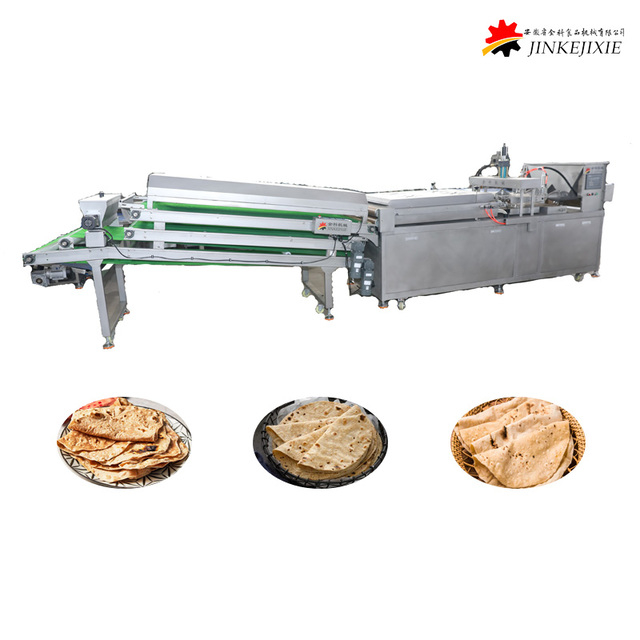
Why do corn and flour tortillas need different production lines? Their ingredients and dough properties require different processing methods. This guide compares each Corn Tortilla Production Line, covering equipment, forming methods, baking processes, and key selection factors.
Why Are Corn and Flour Tortilla Production Lines Different?
The biggest difference comes from their raw materials. Corn dough and wheat dough behave differently during processing. Their properties determine how manufacturers prepare and form each product.
Raw Materials: Corn Masa vs Wheat Flour Dough
Corn tortillas typically use masa made from nixtamalized corn. Some factories use prepared masa flour instead. Both options require controlled water addition and mixing.
Flour tortillas use wheat flour, water, fat, and salt. Some recipes also include baking powder or other ingredients. The exact formulation depends on the required texture and product specifications.
Corn masa usually behaves differently from elastic wheat dough. Wheat dough develops gluten during mixing. This structure allows it to stretch and recover during forming.
Dough Preparation: Masa Preparation vs Flour Mixing
Traditional corn tortilla production may begin with nixtamalization. This process cooks corn in an alkaline solution. The corn is then washed and ground into masa.
Factories using prepared masa flour follow a shorter route. They add water and mix until the required consistency develops. This approach avoids installing a complete corn cooking system.
Flour tortilla production requires controlled dough mixing. The mixer combines wheat flour, water, fat, and other ingredients. Mixing time and hydration affect dough elasticity and handling.
Forming Methods: Corn Tortilla Pressing vs Flour Dough Forming
Corn masa is commonly divided into individual portions. A tortilla press then forms each portion into a flat disc. Some production systems use suitable sheeting and cutting equipment.
Flour tortilla production often includes dividing and rounding. Dough balls then rest before pressing or sheeting. This step helps relax gluten and improves dough extensibility.
The forming equipment must match the dough structure. Corn masa needs suitable pressure and portion control. Wheat dough needs settings that prevent excessive shrinkage.
Baking Equipment: Cooking Requirements for Different Doughs
Corn tortillas commonly use a hot cooking surface or continuous baking system. Heat develops the required structure and surface appearance. Cooking conditions depend on thickness and moisture.
Flour tortillas also require controlled heating. Their baking conditions depend on formulation and dough thickness. Excessive heat can cause dry edges or uneven color.
Both processes need stable temperature and conveyor control. However, their recipes may require different settings. Manufacturers should confirm these conditions through product trials.
Cooling and Handling: Maintaining Finished Product Quality
Freshly baked tortillas retain heat and moisture. Cooling prepares them for stacking and packaging. The required cooling time depends on product thickness and moisture.
Corn tortillas need careful handling after cooking. Their texture can change during cooling. Excessive drying may affect flexibility and increase cracking.
Flour tortillas also require controlled cooling. Insufficient cooling may cause condensation inside packages. Proper conveyor speed helps maintain consistent product handling.
Production Line Configuration: Different Machines for Different Products
A corn tortilla production line may include corn cooking, washing, grinding, and masa mixing. Factories using prepared masa flour may need fewer preparation machines. Their forming and baking sections still require suitable configurations.
A flour tortilla line usually includes a mixer, divider, rounder, and resting system. It then uses pressing or sheeting equipment. Baking, cooling, and stacking complete the process.
These differences make equipment selection important. Buyers should not choose machines based only on product names. They should compare raw materials, dough behavior, product dimensions, and target output.
How Does a Corn Tortilla Production Line Work?
A traditional corn tortilla production process starts with corn preparation. The factory converts corn into masa before forming individual tortillas. The complete workflow depends on the selected raw material supply.
Masa Preparation: Preparing Corn Dough
Traditional nixtamalization starts by cooking corn in an alkaline solution. Lime is commonly used for this process. The treatment changes the corn structure and supports masa preparation.
After cooking, the corn undergoes washing and grinding. The resulting masa must have suitable moisture and texture. Consistency affects portioning and tortilla forming.
Factories using prepared masa flour follow another route. They mix the flour with water to create dough. This reduces the need for corn cooking and grinding equipment.
Dough Portioning and Tortilla Forming
Prepared masa moves to the portioning section. A divider creates individual dough portions. Consistent weight helps control tortilla diameter and thickness.
A tortilla press flattens each portion into a circular shape. Pressure and plate dimensions affect the finished product. Operators should check sheet thickness and edge condition.
Some systems may use sheeting and cutting instead. This depends on the dough formulation and equipment design. Buyers should confirm compatibility through actual masa trials.
Baking, Cooling, and Stacking
Formed corn tortillas move to the cooking section. A suitable oven or hot plate system applies controlled heat. Baking time depends on product thickness and equipment design.
Operators should monitor color and cooking consistency. Uneven heating can affect texture and moisture. Regular product inspection helps maintain stable quality.
After cooking, tortillas enter the cooling section. Conveyors reduce product temperature before stacking. Automatic stackers then prepare the tortillas for packaging.
How Does a Flour Tortilla Production Line Work?
Flour tortilla manufacturing follows a different dough preparation route. Wheat flour develops an elastic structure during mixing. The process therefore requires controlled portioning and resting.
Flour Mixing and Dough Development
The process begins with measured ingredients. Wheat flour, water, fat, and salt enter an industrial mixer. Other ingredients depend on the selected recipe.
Mixing distributes ingredients throughout the dough. It also develops the required gluten structure. Mixing time and speed affect dough elasticity.
Hydration requires careful control. Too much water may create sticky dough. Too little water may make forming difficult. Consistent mixing supports reliable downstream processing.
Dividing, Rounding, and Dough Resting
After mixing, the dough moves to a divider. The machine separates bulk dough into individual portions. Accurate weights help maintain finished product dimensions.
A rounder forms smooth dough balls. Their surface condition affects later pressing. Uniform portions also support more predictable production.
The dough then enters a resting stage. Resting allows gluten to relax. This reduces shrinkage during pressing and improves extensibility.
Pressing, Baking, and Cooling
Rested dough balls enter the pressing section. A hydraulic or pneumatic press forms flat tortilla sheets. Pressure and temperature influence thickness and diameter.
The formed sheets move through a baking oven. Controlled heating develops the required color and texture. Operators adjust settings according to recipe and product size.
Cooling follows the baking stage. Conveyors reduce product temperature before stacking. The finished tortillas can then move toward packaging equipment.
What Equipment Does Each Tortilla Production Line Require?
Equipment selection should follow the actual processing route. Corn and flour products require different preparation sections. Their downstream equipment may share some functions, but compatibility must be verified.
Corn Tortilla Manufacturing Equipment
A factory processing whole corn may need a corn cooker. It may also require washing and grinding equipment. These machines prepare corn before masa mixing.
The forming section usually includes a masa divider and tortilla press. Suitable baking equipment cooks the formed discs. Cooling conveyors and stackers handle finished products.
Prepared masa flour simplifies the upstream process. Such factories may only need a mixer and forming system. This can reduce equipment requirements and factory space.
Flour Tortilla Production Line Equipment
An industrial flour mixer prepares the wheat dough. A dough divider then creates individual portions. A rounder forms consistent dough balls.
A resting conveyor or proofer allows gluten relaxation. A hydraulic or pneumatic press forms tortilla sheets. The baking oven then cooks each product.
Cooling conveyors and stacking equipment complete the line. Some configurations also include automatic packaging. The final layout depends on output and packaging requirements.
The following table summarizes the main equipment differences. It also highlights the stages shared by both production systems.
Equipment
Corn Tortilla Line
Flour Tortilla Line
Raw material preparation
Corn cooking or masa flour preparation
Flour and ingredient preparation
Mixing
Masa mixer
Industrial dough mixer
Dough handling
Masa dividing
Dividing and rounding
Resting
Recipe-dependent
Commonly required
Forming
Pressing or suitable sheeting
Hot pressing or sheeting
Baking
Tortilla cooker or oven
Tortilla baking oven
Cooling
Cooling conveyor
Cooling conveyor
Stacking
Automatic stacker
Automatic stacker
The main difference lies in dough preparation and handling. Corn production may require a complete masa preparation section. Flour production needs equipment for gluten-based dough development.
Some downstream machines can serve both product categories. However, their settings and configurations may differ. Buyers should verify actual product compatibility before purchasing.
What Factors Affect Corn and Flour Tortilla Quality?
Both products need controlled processing conditions. However, their dough properties create different quality challenges. Manufacturers should monitor important variables throughout production.
Dough Moisture and Ingredient Ratios
Moisture affects both dough types. Corn masa needs suitable consistency for dividing and pressing. Wheat dough needs proper hydration for elasticity and extensibility.
Ingredient ratios should remain consistent between batches. Changes in flour properties may affect water absorption. Operators should record ingredient weights and mixing conditions.
Poor moisture control can create forming problems. Sticky masa may affect portioning. Stiff wheat dough may shrink or resist pressing.
Thickness, Diameter, and Portion Weight
Portion weight influences finished tortilla size. Incorrect weights can produce inconsistent diameters. This also affects baking time and finished product appearance.
Pressing settings determine the final thickness. Uneven pressure may create irregular sheets. Operators should check samples across the production run.
Manufacturers should define clear product tolerances. These should cover weight, diameter, and thickness. Regular checks help reduce rejected products.
Baking Temperature and Moisture Retention
Baking temperature affects surface color and texture. Cooking time also influences moisture retention. Both variables depend on dough composition and product thickness.
Corn tortillas require suitable cooking conditions for masa. Flour tortillas need settings that preserve flexibility. One universal temperature cannot suit every formulation.
Operators should test different settings. They should inspect color, texture, and flexibility. Stable heating helps maintain product consistency.
Cooling Conditions and Packaging Readiness
Cooling affects finished product handling. Tortillas need enough time to release heat. They should reach a suitable temperature before packaging.
Insufficient cooling may cause condensation. Excessive cooling may affect moisture and flexibility. Both conditions can reduce finished product quality.
Conveyor speed should match production output. Airflow should also support even cooling. Product testing helps establish suitable operating conditions.
How Should Manufacturers Choose the Right Tortilla Production Line?
The right equipment depends on the final product. Buyers should first confirm the raw materials and recipe. They can then compare machine functions and production capacity.
Match Equipment to the Target Tortilla Product
Start by defining the tortilla type. Confirm whether the product uses corn masa or wheat dough. This decision determines the preparation equipment.
Next, specify diameter and thickness. Define target weight and finished texture. These details affect forming and baking requirements.
Buyers should also confirm the required forming method. Some products suit portioning and pressing. Others may require a different sheeting configuration.
Compare Production Capacity and Automation Levels
Hourly output should match the target product size. Larger tortillas may require different operating settings. Rated capacity should not replace actual production testing.
Automation levels also influence line performance. Automatic feeding reduces manual handling. PLC controls can coordinate machine operations and alarms.
Conveyors must match each station's output. Cooling and stacking capacity also matter. A balanced line helps avoid production bottlenecks.
Evaluate Factory Layout and Future Expansion
Factory space affects machine arrangement. Buyers should review equipment dimensions and conveyor routes. Maintenance access must remain available.
Utility requirements also need confirmation. Check electrical supply, ventilation, and heating requirements. Cleaning access is important for food processing equipment.
Future expansion should influence initial planning. Modular configurations may support additional capacity. Buyers should discuss possible upgrades before finalizing the layout.
What Should Buyers Verify Before Purchasing Tortilla Machinery?
A suitable machine must match the actual production process. Product descriptions alone cannot confirm compatibility. Buyers should verify equipment performance before making an investment.
Confirm the Complete Production Workflow
Ask suppliers for a complete process flow diagram. It should show every processing stage. Confirm how products move between machines.
For corn production, check the masa preparation route. Confirm whether whole corn or prepared masa flour is used. This determines the required upstream equipment.
For flour production, check mixing and dough handling. Confirm dividing, rounding, resting, and pressing arrangements. Every stage should match the product recipe.
Request Product Trials and Technical Specifications
Provide the supplier with actual raw materials. Request trials using the target recipe. This helps verify forming and baking performance.
Check product dimensions and output during testing. Inspect thickness, color, and texture. Record operating conditions for comparison.
Technical specifications should include machine dimensions and utilities. Confirm output ranges and adjustment limits. Ask which figures depend on specific product conditions.
Check Installation, Training, and After-Sales Support
Installation affects production line performance. Confirm who handles assembly and commissioning. Discuss the required factory preparation before delivery.
Operator training should cover normal operation and cleaning. It should also include basic troubleshooting. Clear instructions help reduce avoidable downtime.
Spare parts and technical support matter over time. Confirm warranty terms and response arrangements. A reliable service plan supports long-term production stability.
Tip: Request a written acceptance test before ordering. Define output, product dimensions, raw materials, and operating conditions clearly.
Conclusion
Corn and flour tortillas require different processing methods and equipment. Choosing the right line improves product consistency and production efficiency.
Anhui Jinke Foodstuff Machinery Co., Ltd. offers automated JKBP production lines. Its integrated systems support mixing, forming, baking, cooling, and stacking for reliable tortilla manufacturing.
FAQ
Q: What is a Corn Tortilla Production Line?
A: It processes corn masa into finished tortillas.
Q: How does a Corn Tortilla Production Line work?
A: It prepares masa, forms discs, bakes, and cools them.
Q: How does flour tortilla production differ?
A: It requires wheat dough mixing, dividing, rounding, and resting.
Q: What equipment does a Corn Tortilla Production Line need?
A: Masa mixers, dividers, presses, ovens, and cooling conveyors.
Q: Can one line produce both tortilla types?
A: It depends on dough compatibility and equipment configuration.
Q: What affects tortilla production quality?
A: Moisture, thickness, portion weight, and baking conditions.