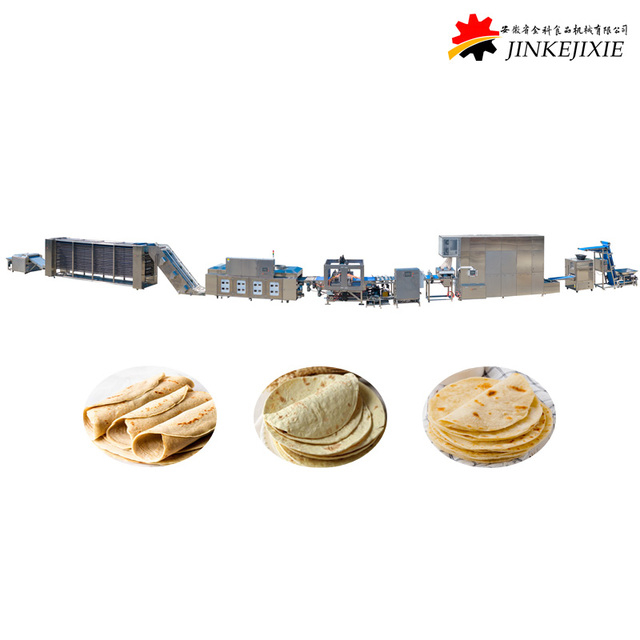
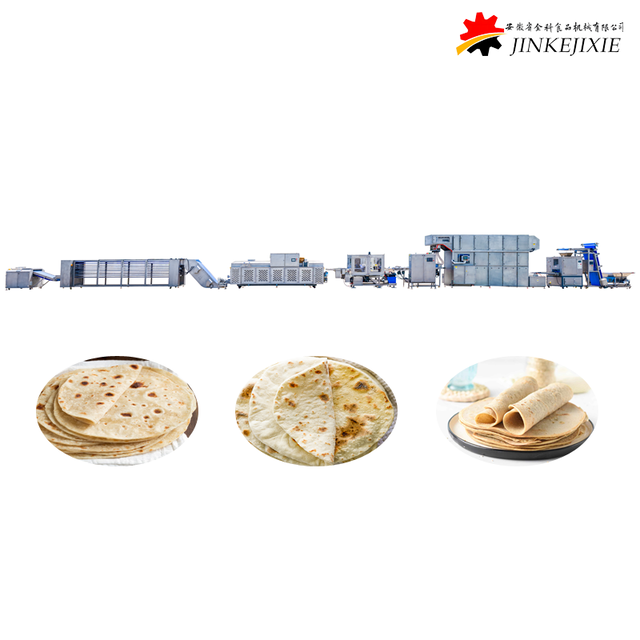
Size a tortilla cooling conveyor from measured process data, not from a generic belt length: confirm oven discharge rate, product size and thickness, stacking temperature target, dwell-time window, airflow concept, sanitary access, and the control points your team will monitor before stacking and packing.
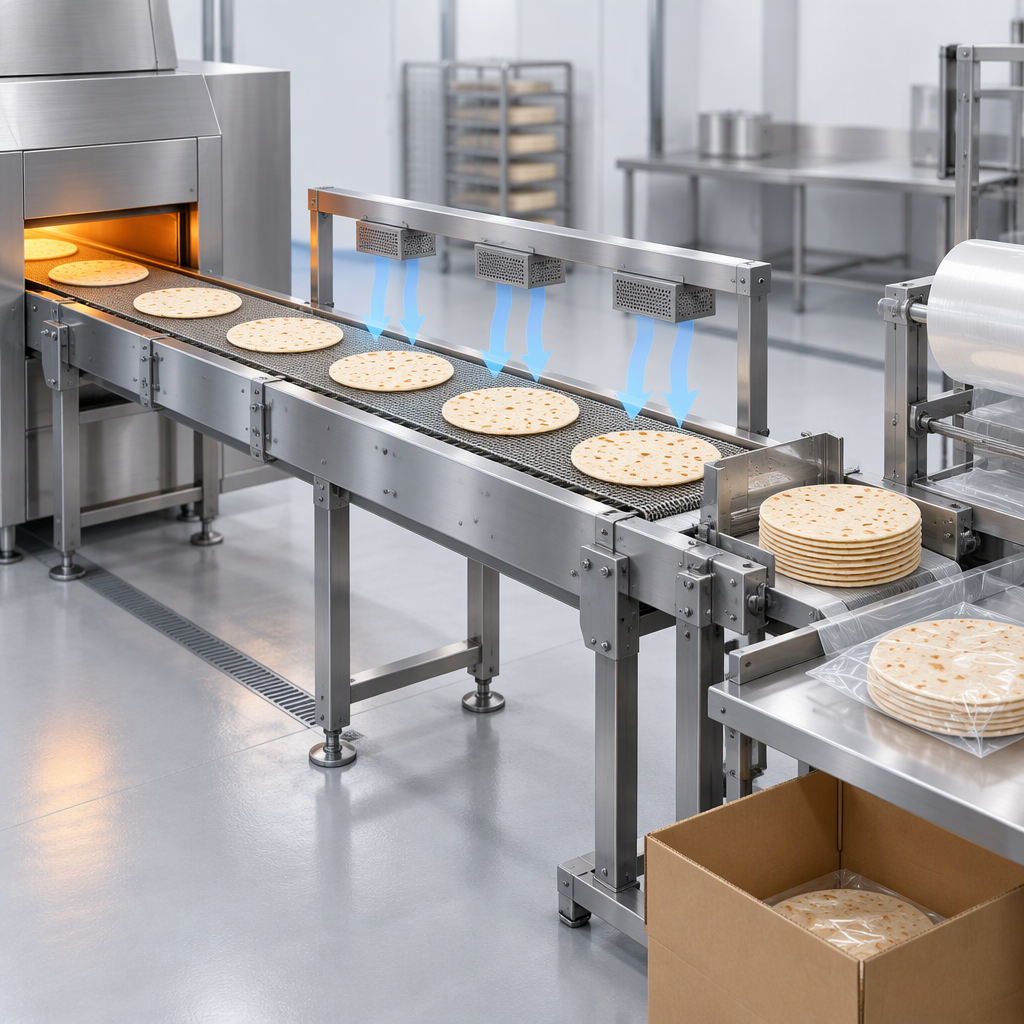
Why cooling before stacking and packing matters
Cooling matters because warm tortillas can carry heat and moisture into stacks or packages, and moisture conditions influence food stability; the FDA explains in its water activity guide that water activity is tied to moisture conditions and that vapor-pressure relationships between food and surrounding air affect moisture transfer.
In a tortilla or flatbread line, the cooling section is the bridge between baking and downstream handling, so it should be treated as a process step rather than only as a transfer conveyor.
Do not specify a cooler by asking only for the shortest possible conveyor. A tortilla that is still too warm for stacking can trap heat and moisture in the stack or pack, while excessive handling time can create layout, labor, or sanitation burdens.
The practical buyer question is not “What is the universal cooling length?” It is “What path, air exposure, dwell time, and discharge condition are needed for this recipe, diameter, line rate, pack style, and factory environment?”
Collect these sizing inputs before you request a quote
Before requesting a quote, collect measurable product and process variables; the FDA’s HACCP guidance describes process flow diagrams and monitoring variables such as time, heating or cooling rate, belt speed, product thickness, and temperature where they apply to the process.
| Input to confirm | Why it affects conveyor sizing | What to send the supplier |
|---|---|---|
| Product diameter, thickness, weight, and forming consistency | Product dimensions, thickness, and process variation influence how a cooling step is monitored and evaluated. | Representative product range, recipe or dough variation, formed diameter/thickness consistency, and any shape changes seen at oven discharge. |
| Oven discharge rate | Belt speed, time, and process rate are relevant monitoring variables in food process control. | Pieces per minute, lanes, belt width, and expected operating range. |
| Temperature at oven exit and target before stacking | Temperature is a process variable that may need measurement when it affects the control objective. | Measured product temperature points and the acceptable discharge range. |
| Recipe and moisture condition | Water activity and moisture transfer influence food stability and packaging behavior. | Recipe family, moisture concerns, and packaging format. |
| Available floor space and elevation | Cooling conveyors may be arranged as part of a larger tortilla line and may use multi-tier concepts. | Line layout drawing, clearances, infeed height, and discharge height. |
| Cleaning access and food-contact surfaces | 21 CFR § 117.40, as reproduced by Cornell LII, addresses cleanable and maintainable food-processing equipment and conveying systems. | Sanitation expectations, washdown limits, belt material requirements, and inspection access needs. |
Map the conveyor between oven, stacker, and packing
Map the cooling conveyor as one controlled step in the whole line, because HACCP-style process thinking starts with a flow diagram that covers the steps under the establishment’s control.
- Start at oven discharge. Identify the actual handoff point from baking to cooling, including belt width, lane count, product spacing, transfer stability, discharge height, and whether forming or baking creates shape or oven-exit temperature variation.
- Define the cooling objective. Specify the temperature or handling condition required before stacking and packing instead of relying on a generic residence-time number.
- Match the path to downstream rhythm. The cooler discharge should feed the stacker without starving it, overloading it, or forcing operators to hold warm tortillas outside the intended flow.
- Check the stacker and packer interface. Cooling belongs in the same layout conversation as stacking and packaging, because the discharge condition affects the next operation.
- Plan measurement points. Decide where operators or instruments will check product temperature, belt speed, dwell time, and product condition during normal production.
A good layout conversation should include the product path, the control objective, and the handoff conditions. It should not stop at the question of whether a conveyor can physically fit in the room.
Choose the belt path: single-pass, return, or multi-tier
Choose the belt path by balancing dwell path, floor space, product handling, and cleanability; multi-tier concepts can help with footprint, but they still need review against sanitation access and line integration.
| Belt path option | Best-fit situation | Buyer checks before approval |
|---|---|---|
| Long single-pass conveyor | Use when floor space is available and a simple product path is preferred. | Confirm total line length, walking access, guard access, and discharge alignment with stacking. |
| Return or serpentine path | Use when the line must create more dwell path without a straight extension. | Check transfer points, product orientation, turning stability, and cleaning access. |
| Multi-tier conveyor | Use when the application needs a longer cooling path within a more compact footprint. | Review access for cleaning and maintenance because food-processing conveying systems should be maintainable in sanitary condition. |
Do not assume that a multi-tier design is automatically better. It can solve a footprint problem, but it also creates questions about access, air distribution, product transfer, and inspection. Ask the supplier to explain how each tier is reached for cleaning and how the discharge remains consistent for the stacker.
Check sanitary design and cleanability before approving the layout
For U.S. food-processing contexts, use the Cornell LII reproduction of 21 CFR § 117.40 as a review prompt for cleanable and maintainable equipment; for regulated decisions, confirm the current official text and any applicable customer, jurisdiction, or export-market requirements with the relevant authority.
- Confirm that product-contact and nearby surfaces can be cleaned and maintained in sanitary condition.
- Review whether the conveyor design avoids creating contamination points around belts, supports, transfer areas, and accumulation zones.
- Before any manual access for cleaning, inspection, or clearing, switch off and disconnect the relevant conveyor power source, then use only access points permitted by the model manual.
- Ask how belts, guides, catch areas, and transfer points are inspected without bypassing guards or improvising disassembly.
- Check that instruments or controls used for temperature, water activity, or other microorganism-control conditions are suitable and maintained for their purpose.
The cleanability question is not only about appearance. The Cornell LII reproduction of 21 CFR § 117.40 addresses equipment design, maintenance, food-contact surfaces, and sanitary condition for holding, conveying, and manufacturing systems; confirm the current official text and any local amendments or market requirements before treating it as a compliance specification.
Define controls and verification points for the cooling step
Define what the factory will measure during cooling, because process control depends on monitoring relevant variables rather than assuming the conveyor will perform the same under every recipe, belt speed, and room condition.
- Record belt speed and dwell-time assumptions for each operating mode.
- Measure product temperature at consistent points, such as oven exit and cooler discharge, when temperature is part of the acceptance condition.
- Watch moisture-related symptoms at stacking and packing, because water activity and surrounding air conditions affect moisture transfer.
- Include monitoring records, corrective action logic, and verification responsibilities when the cooling step is part of the plant’s food-safety or quality plan.
- Define who can adjust belt speed, airflow, or product spacing, and what limit requires production to stop and investigate.
The controls do not need to be complicated to be useful. They need to be specific enough that operators, quality staff, and the equipment supplier are discussing the same product condition at the same point in the line.
RFQ checklist for a tortilla cooling conveyor
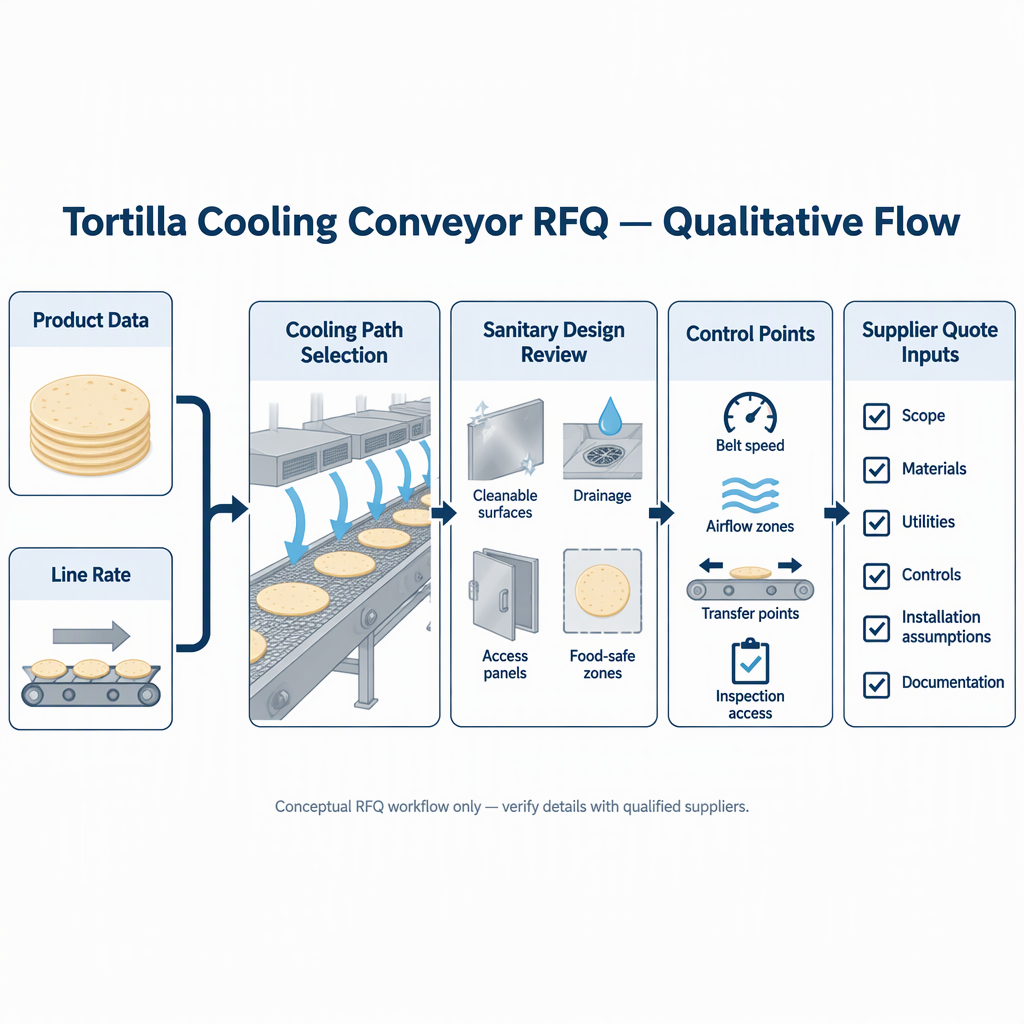
A strong RFQ should give the supplier enough process data to size the path and enough hygiene and control requirements to avoid a layout that cools in theory but fails in daily production.
- Product range: tortilla diameter, thickness, weight, recipe families, dough variation, formed diameter/thickness consistency, and expected shape variation.
- Line rate: oven discharge rate, lane count, product spacing, belt width, and normal speed range.
- Cooling objective: measured oven-exit condition and required condition before stacking and packing.
- Moisture and packaging concerns: condensation risk, stack behavior, pack type, and any quality limits related to moisture condition.
- Line interfaces: oven discharge height, stacker infeed, packing-machine location, and available footprint.
- Sanitary expectations: cleanable surfaces, access points, belt cleaning method, inspection needs, and any market-specific requirements.
- Controls: temperature checks, belt-speed settings, dwell-time assumptions, records, alarms, and adjustment responsibilities.
- Commercial scope: utilities, installation boundary, spare parts, documentation, operator training expectations, and acceptance-test method.
If exact cooling performance is critical, ask for a test or calculation method based on your product data. Do not accept a universal promise that ignores recipe, size, oven condition, room air, airflow, and stacking temperature.
Conclusion
The right tortilla cooling conveyor is the one whose path, airflow concept, sanitation access, and monitoring points are matched to the measured product and line conditions before stacking and packing.
For buyers, the safest specification route is to define the target product condition, provide real production data, and make moisture behavior, cleanability, and controls part of the quote discussion. Use those details to give the supplier a practical basis for layout selection, and do not rely on a universal conveyor length or a guaranteed shelf-life result.
FAQs about tortilla cooling conveyor sizing
These questions help buyers turn cooling-conveyor selection into a clearer RFQ before committing to a layout.
How do I calculate the exact cooling conveyor length?
Start with measured line rate, belt speed, product spacing, thickness, and target discharge condition, then ask the supplier to size the path from those inputs. A universal length is not reliable without the product and process data.
What temperature should tortillas reach before stacking?
Set the target from your product, stack height, packaging method, and quality plan. Use a plant-specific target, then document where and how temperature is checked when temperature is part of the acceptance condition.
Why does condensation matter before packing?
Condensation is a practical warning sign that heat and moisture conditions are not aligned with the package environment. FDA guidance on water activity explains why moisture condition and vapor-pressure relationships matter for food stability.
When should I consider a multi-tier tortilla cooling conveyor?
Consider a multi-tier path when you need more cooling path in limited floor space, but review product transfers, air exposure, and cleaning access before approving the layout.
What sanitation details should I ask about?
Ask how belts, supports, transfer points, and product-contact areas are cleaned, inspected, and maintained. For U.S. contexts, confirm the current official text for 21 CFR § 117.40 and any applicable local, customer, or export-market requirements before treating it as a compliance specification.
Do I need instruments on the cooling conveyor?
You need monitoring that fits the risk and quality objective. That may include product temperature checks, belt-speed settings, dwell-time records, and defined corrective actions when product condition is outside the agreed range.
What should I send a supplier first?
Send product dimensions, line rate, oven discharge condition, target stacking condition, available footprint, sanitation expectations, control requirements, and packing interface details so the quote is based on your actual process.