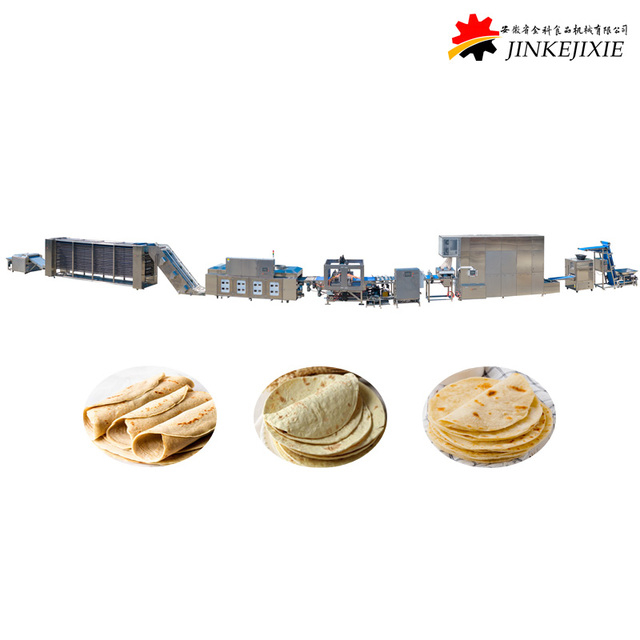
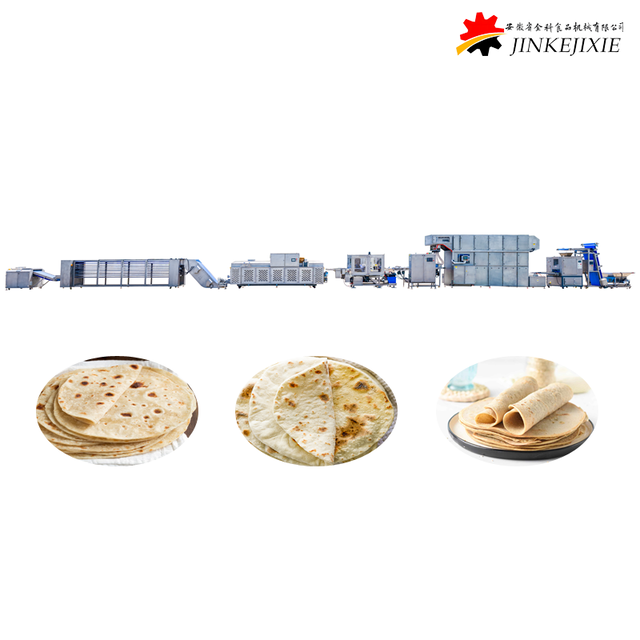
Tortilla dough resting is not a fixed timer to copy from another line; it is a control window that changes dough relaxation, hydration and press response, so buyers should define formula, mixing history, dough-ball handling, press method and shape measurements before selecting or tuning equipment.
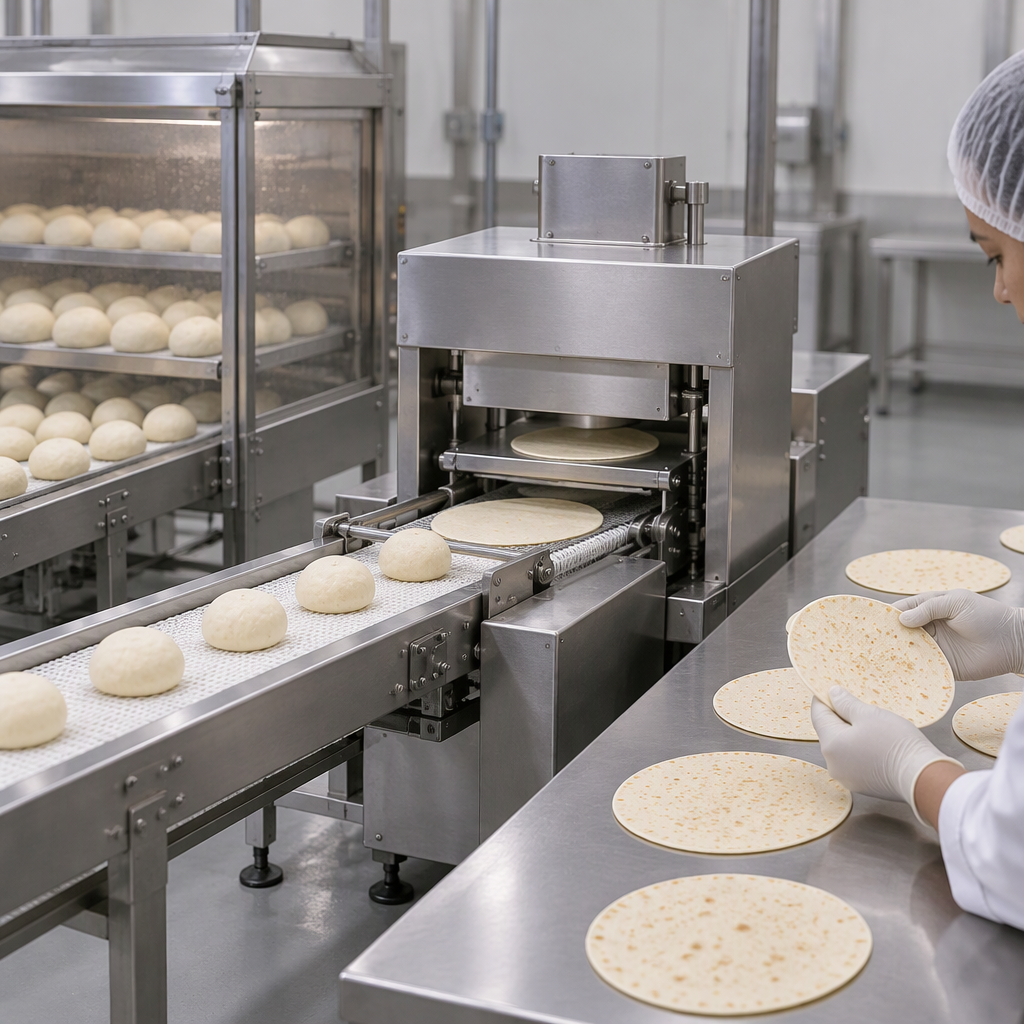
What dough resting changes before tortilla pressing
Resting changes how wheat flour dough flows under force, and the result depends on how the dough was mixed and handled before the rest period.
A wheat-dough rheology abstract from Cereal Chemistry reports that mixing conditions and rest time influence capillary flow behavior, which is a useful reminder that rest cannot be separated from mechanical history.
For wheat flour tortillas, practical dough guidance also describes resting as a way to let flour absorb liquid and allow gluten relaxation, making dough easier to shape thinly in that recipe context.
For a factory, the key question is not only “how many minutes?” but “what dough state reaches the press?” Two batches with the same clock rest can behave differently if flour absorption, water temperature, fat level, mixing energy or divider handling changes.
How resting affects pressing diameter and shape retention
Resting can help a wheat tortilla dough press more consistently, but final diameter and roundness still depend on flour properties, dough resistance to extension and hot-press conditions.
| Buyer observation | Rest-related interpretation | What to check before changing equipment |
|---|---|---|
| Pressed tortillas vary in diameter. | Hot-press wheat tortilla quality has been associated with flour and dough properties, including mixograph mixing time and resistance to extension. | Compare flour lot, mixing endpoint, dough-ball weight, rest window and press temperature profile in the same trial log. |
| Dough springs back after pressing. | The dough may not have reached the relaxation state needed for the applied pressing force and dwell. | Check mixing intensity, elapsed rest, dough temperature and handling stress before raising press force. |
| Dough tears or resists thin shaping. | Hydration, fat level and gluten development may be limiting extensibility in a wheat formula. | Review formula balance and mixing method before treating the symptom as a machine defect. |
Do not specify a press only from a desired finished diameter. The USDA Agricultural Research Service publication record for hot-press wheat tortilla quality connects dough properties with diameter, so the RFQ should include the dough system as well as the target size.
Diagnose rest time versus formula and equipment settings
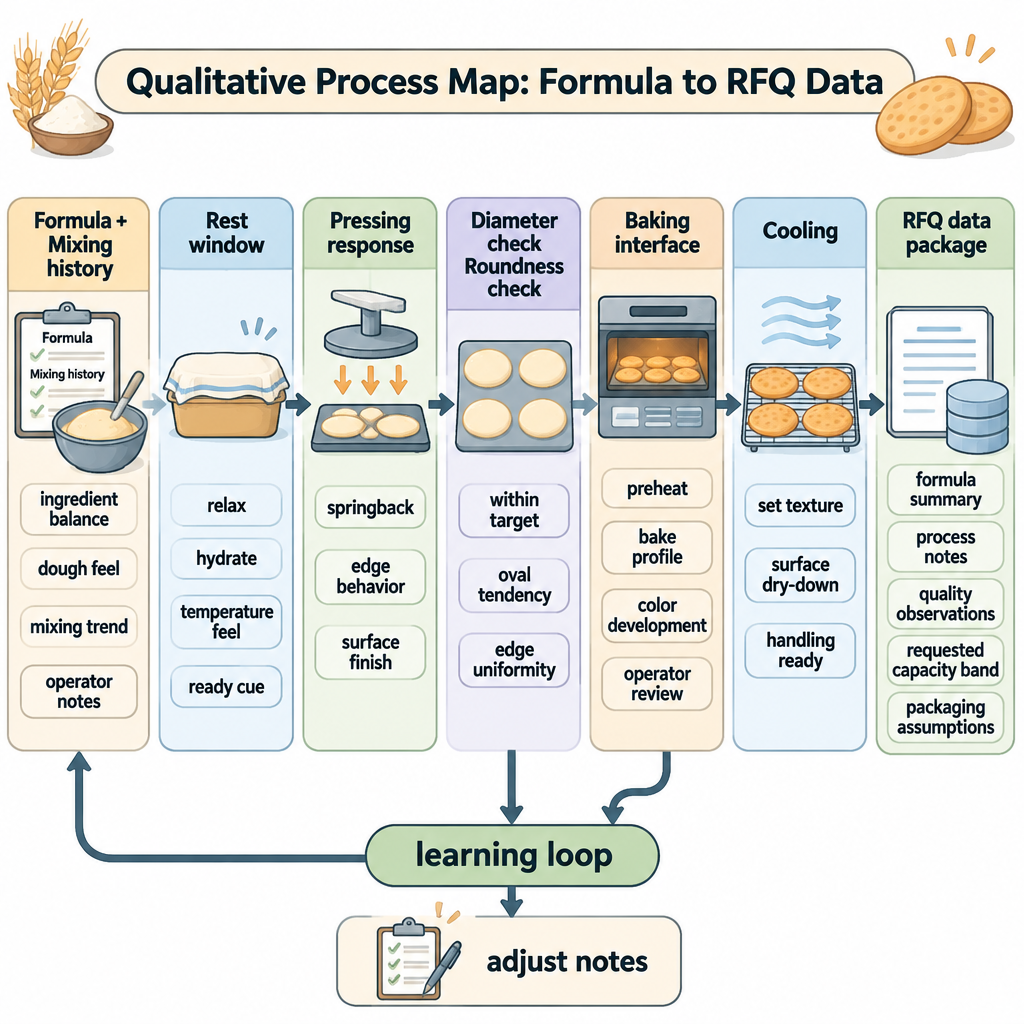
Treat resting as one variable in a chain: formula, mixing, dividing, rest, pressing, baking and cooling all influence whether shape is created and then retained.
| If the plant sees... | Likely area to investigate | Buyer action |
|---|---|---|
| Good shape at the start of a run but drift later | Dough temperature, queue time, or rest-window variation | Record timestamps from mixing to pressing and compare early, middle and late samples. |
| Different shape after the same rest time | Different mixing history or mechanical handling before pressing | Standardize mixing endpoint and divider handling before judging the press. |
| Diameter changes with flour lot | Flour and dough rheology differences | Ask flour suppliers and equipment suppliers which dough-property data they need for trials. |
| Dough is easy to sheet but lacks strength after baking | Formula balance, including hydration and fat effects on gluten formation | Test formula adjustments separately from press-force changes. |
Formula boundaries: wheat, corn and alternative tortillas
Wheat flour tortillas, corn tortillas and nixtamalized maize tortillas should not be assigned the same resting rule because their flour systems and dough structures are different.
Wheat flour hot-press tortillas
For hot-press wheat tortillas, flour and dough properties such as mixing time and resistance to extension are relevant to tortilla diameter and quality.
Resting decisions should therefore be tested together with wheat flour selection, hydration, fat system and press conditions.
Corn or nixtamalized maize tortillas
A Springer-published article discusses nixtamalized maize flour, dough and tortillas in terms of rheological, physicochemical and texture properties, showing that maize systems require their own formula-specific evaluation.
Buyers should avoid transferring wheat-dough rest assumptions directly to masa or modified maize flour systems.
Consumer wheat-tortilla guidance about gluten relaxation is useful for understanding the concept, but an industrial line must validate the rest window under its own flour, batch size, dough temperature and press conditions.
Where resting fits in an automated tortilla line
In an automated tortilla process, resting should be planned as a controlled buffer between dough preparation and forming, not as an isolated pause.
- Dough processing: Define mixing endpoint, discharge temperature and dough-ball consistency before the rest stage.
- Resting or queueing: Set a practical time window and protect dough balls from drying, deformation or uncontrolled temperature change.
- Forming or pressing: Match press force, dwell, plate conditions and transfer handling to the dough state reaching the press.
- Baking: Treat baking as part of shape retention, because heat setting occurs after the tortilla leaves the press.
- Cooling and stacking: Confirm that cooling, conveying and stacking do not distort a shape that was correct at the press exit.
A continuous tortilla workflow commonly links processing, forming, baking, cooling and stacking, so line synchronization should be discussed before purchase rather than after commissioning.
RFQ data to confirm before selecting a press or line
A useful tortilla press RFQ should describe the dough and the target product, not only the required output size.
- Formula family: wheat flour, corn, nixtamalized maize, gluten-free blend or hybrid formula.
- Hydration, fat system and mixing method, because these can affect gluten development and dough handling in wheat tortilla formulas.
- Mixing endpoint, dough temperature and mechanical history before resting.
- Divider method, dough-ball weight tolerance and surface condition before pressing.
- Expected rest-window range, including minimum, maximum and normal queue time.
- Target diameter, thickness, roundness tolerance and acceptable variation across a production run.
- Integration requirements for forming, baking, cooling, stacking, conveyors and controls.
- Cleaning access, allergen changeover goals and local food-safety documentation required by the plant or jurisdiction.
When exact values are not finalized, send suppliers trial ranges and finished-product acceptance criteria. That lets the discussion focus on matching the line to the process window rather than guessing a universal rest time.
How to measure whether the resting window is working
Measure rest-window performance by comparing dough condition and finished tortilla geometry under controlled trials, not by changing many variables at once.
- Hold formula, flour lot and mixing method steady so the effect of rest time is not confused with mechanical history.
- Sample several rest points that the production layout can realistically maintain during normal operation.
- Record pressed diameter, roundness, thickness and visible defects because diameter is one recognized quality outcome in hot-press wheat tortilla evaluation.
- Track temperature, dough-ball surface drying, transfer distortion and bake entry timing for each sample.
- Choose the rest window that gives acceptable shape before and after baking, then confirm it across normal run length and queue variation.
The wheat-dough rest-time study abstract supports the principle that rest effects depend on mixing conditions, so trial logs should include both rest time and upstream dough history.
The USDA ARS publication record supports using dough-property and tortilla-diameter observations when evaluating hot-press wheat tortilla quality.
Conclusion
Before selecting a tortilla press or automated line, define the rest window that your formula can hold and the shape results your product must meet.
Dough resting can improve pressability when it brings the dough to a more suitable relaxation and hydration state, but it is not a substitute for formula control, mixing control, press trials or line synchronization. The best purchasing decision is to give suppliers the dough data, finished-product tolerances and process-flow constraints needed to recommend a line configuration for your application.
FAQ
These questions help buyers turn tortilla dough resting from a recipe habit into process-selection data.
Does longer resting always make tortillas rounder?
No. Rest time interacts with mixing conditions and mechanical history, so a longer rest can help one dough state but fail to solve another.
What is the most important data point for a press supplier?
Target diameter matters, but buyers should also share flour and dough-property information because hot-press wheat tortilla quality is linked to dough rheology as well as finished size.
Can a home tortilla recipe be scaled directly to a factory line?
A recipe can explain ideas such as hydration and gluten relaxation, but factory buyers need trials under industrial batch size, handling, pressing, baking and cooling conditions.
Should wheat and corn tortillas use the same rest time?
No. Nixtamalized maize flour systems involve different dough and tortilla properties, so wheat tortilla rest logic should not be copied directly to corn or masa-based products.
Where should shape be measured?
Measure at press exit, after baking and after cooling or stacking. That separates pressing performance from later distortion during heat setting, conveying or stacking.
What if the dough presses well but shrinks after baking?
Review the interface between forming, baking, cooling and stacking, because a continuous tortilla process links these stages rather than ending at the press.
Can equipment alone fix poor shape retention?
Not reliably. Equipment selection should be based on the formula, dough rheology, target diameter and line conditions, not on press force alone.