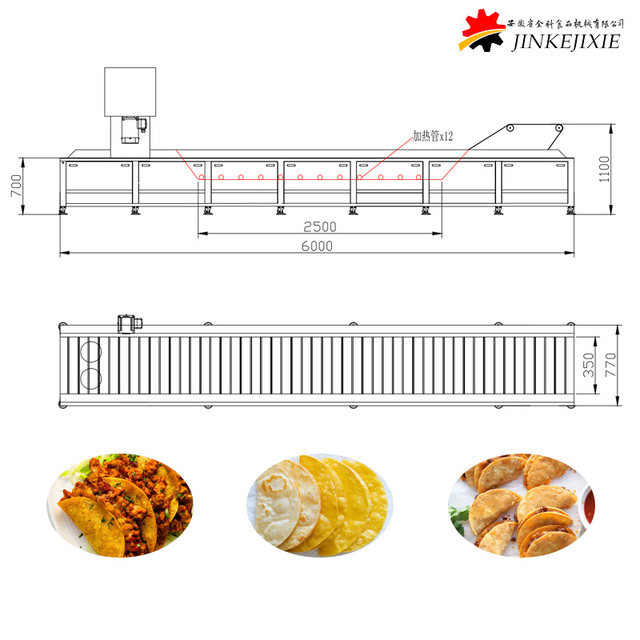
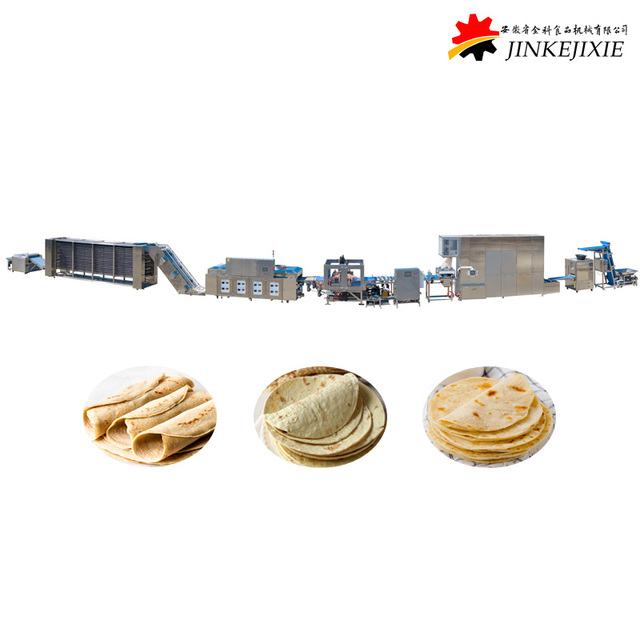
High-volume manufacturing exposes every minor inefficiency on the floor. Taco shell breakage is a compounding financial leak that destroys your bottom line. Processing tens of thousands of units per shift means even a 2% to 3% breakage rate heavily degrades annual yield and profit margins. Scrapped product wastes raw masa, burns unnecessary energy, and forces costly downtime when operators clear jams from packaging accumulators. Consumers try to salvage fragile shells by oven-warming them at 325°F, baking them upside down to stop collapse, or blotting wet fillings. You cannot rely on end-users to fix industrial deficits. Commercial breakage originates from micro-fractures introduced during dough formulation, frying, cooling, and mechanical handling. You must audit your end-to-end manufacturing process. Evaluating upgrades to specific components of your Taco Production Line allows you to engineer structural integrity into the product before it ever reaches the consumer.
Moisture Control is Foundational: Precise masa hydration and controlled moisture flash-off during frying dictate the final tensile strength of the shell and its resistance to sogginess.
Fryer Dynamics Dictate Durability: Upgrading to a specialized taco shell fryer machine with continuous oil filtration and multi-zone temperature control minimizes thermal shock, uneven blistering, and structural collapse.
Mechanical Handling Requires Precision: Transitioning from rigid drops to synchronized, soft-transfer cooling conveyors reduces micro-fractures before packaging.
CapEx vs. Yield ROI: Investing in a modern commercial taco shell machine pays for itself by reducing waste, minimizing downtime, and protecting brand reputation from point-of-sale breakage and end-user complaints.
The Root Causes of Breakage in Commercial Taco Manufacturing
Moisture Inconsistencies and Masa Hydration
Start at the mixer. Improper water-to-masa ratios build immediate weak points into the dough matrix. Corn dough needs exact hydration to bind starches and proteins. When operators miss the water input target, the dough gets uneven moisture distribution. Dry patches lack cohesion. They tear under the mechanical shear of sheeting rollers. Overly wet zones turn into aggressive steam pockets later in the fryer. We often see operators guessing at water temperatures. Use chilled water to control dough temperature during mixing. This prevents premature starch gelatinization.
Moisture migration inside the dough mass controls how the shell handles stress. Uneven hydration creates brittle zones. These zones crack under the pressure of automated packaging arms. They also shatter when the end-user tries to reheat or fill the shell. Your primary success metric is achieving uniform moisture distribution before the sheeting and cutting phases. Implement inline moisture analyzers to verify hydration levels before the dough leaves the mixing bowl. A fully homogenous, properly hydrated masa provides a pliable, resilient base. This base survives the harsh thermal and mechanical stages ahead.
Thermal Shock and Frying Dynamics
Dropping ambient-temperature raw tortillas into poorly regulated frying oil causes violent physical reactions. Sudden exposure to high heat triggers rapid, uncontrolled moisture evaporation. We call this flash-off. You need some steam release to cook the dough. But uncontrolled flash-off forces moisture out too fast. This rapid expansion creates excessive blistering on the shell surface. Blisters form hollow, paper-thin fragile pockets in the shell wall. They fracture instantly upon contact with packaging machinery.
Legacy frying equipment makes this worse. Older systems lack the thermal mass to hold consistent oil temperatures during high-capacity runs. Thousands of cold tortillas hit the oil, and the temperature plummets. Frying at low temperatures forces the product to absorb too much oil. Heavy oil retention weakens the cellular structure of the corn. The shells collapse inward during the cooling phase. They become highly susceptible to breaking right at the bottom fold. You must monitor the delta-T across the length of your fryer to ensure the temperature drop stays within acceptable limits.
Mechanical Stress During Conveying and Packaging
The shell's journey post-fryer is full of physical hazards. Freshly fried shells are pliable and vulnerable to deformation. Danger zones include rigid mold extraction points, high-drop transfer conveyors, and aggressive vibratory systems. Every time a shell drops from one belt to another, it takes damage. Hitting a metal guide rail causes micro-fractures. Optical sorting cameras cannot see these hairline cracks. But they severely compromise the shell's load-bearing capacity. Keep transfer plate gaps under 0.5 inches to prevent the shells from tipping or catching.
Inadequate cooling time before packaging is another major breakage catalyst. Shells must release residual steam before entering sealed packaging. If the cooling conveyor runs too fast, steam stays trapped inside the shell structure. Trapped moisture starts a cycle of structural degradation. The shell gets soggy as the steam condenses. Then it turns extremely brittle as it dries out during transit. This exact sequence causes the shell to split down the middle when a consumer adds a wet filling.
Optimizing Your Taco Production Line for Structural Integrity
Precision Sheeting and Forming Equipment
Heavy-duty sheeters are non-negotiable for uniform dough thickness. Inconsistent roller pressure produces tortillas with thick centers and thin edges. Thin spots flash-fry instantly in the oil. They turn into brittle zones that snap under minimal pressure. Precision sheeting equipment uses calibrated, heavy-gauge rollers. These maintain exact thickness tolerances across the entire width of the dough band. This eliminates the variations that cause localized cracking. Operators must verify roller gap calibration at the start of every shift.
After sheeting, rotary cutters and forming molds shape the flat dough. They must do this without inducing mechanical stress. Substandard molds pinch or drag the dough. This creates micro-tears directly at the fold, the critical "U" bend of the taco shell. Upgraded forming equipment supports the dough through the transition. It ensures the bend retains the same density and thickness as the side walls. Uniform density creates a natural structural barrier. It prevents the shell from absorbing moisture and getting soggy when exposed to wet fillings in quick-service restaurants or school cafeterias.
Upgrading to an Advanced Taco Shell Fryer Machine
Modernizing the thermal processing stage requires specific technical capabilities. A high-performance taco shell fryer machine uses continuous, submerged frying conveyors. These specialized conveyors hold the raw tortilla in a precise "U" shape throughout the entire cooking cycle. The system secures the product between matching upper and lower mold forms. This prevents the walls from warping, flaring out, or collapsing inward as moisture violently escapes.
Multi-zone temperature control is the most important specification in modern frying architecture. Advanced fryers stage the cooking process instead of using a single temperature. The initial high-heat zone rapidly sets the exterior geometry of the shell. It locks the "U" shape in place. As the conveyor moves the product into subsequent zones, the oil temperature gradually decreases. This lower-heat environment gently extracts the remaining internal moisture. It prevents excessive blistering and stops the exterior from burning. You get a shell with high tensile strength and uniform texture.
Synchronized Cooling and Oil Draining Conveyors
The transition out of the fryer dictates the final shelf stability of the product. Ambient or forced-air cooling conveyors must receive the hot shells immediately. Rapid heat dissipation stops the cooking process and stabilizes the starches. Without sufficient cooling length, operators package warm product. This guarantees condensation, spoilage, and brittleness. Use wire mesh belts with proper open area to facilitate maximum airflow and oil drip-off.
Proper oil drainage directly impacts product weight and structural integrity. Excess oil left on the shell adds unnecessary weight. This increases stress on the bottom fold when shells are nested for packaging. Pooling oil also degrades the corn matrix over time. It turns a crunchy shell into a fragile, crumbly product. Implement soft-transfer mechanisms between the draining belts and the packaging accumulator. This ensures shells move smoothly without impact. It preserves the integrity built during the frying stage.
Evaluating a Commercial Taco Shell Machine: Key Buying Criteria
Selecting the right equipment requires analyzing specific operational metrics rather than relying on standard throughput claims. Plant managers must evaluate how a machine handles thermal dynamics, physical stress distribution, and facility integration.
Evaluation Criteria
Legacy Equipment Limitations
Modern Equipment Capabilities
Temperature Control
Single-zone heating; severe temperature drops under heavy loads.
Short, ambient belts that trap steam inside the shell structure.
Extended forced-air tunnels that rapidly stabilize starches.
Temperature Control and Oil Turnover Rates
A machine's thermal recovery time dictates actual production capacity. If a fryer takes too long to rebound to its setpoint after cold dough enters, subsequent shells absorb excess oil. Evaluate a system by analyzing its BTU output relative to oil volume. Low oil volume fryers equipped with high-efficiency heat exchangers provide rapid recovery. These systems maintain a high oil turnover rate. Fresh makeup oil constantly replaces absorbed oil. This prevents the buildup of free fatty acids that ruin flavor and product color.
Optimal oil absorption during manufacturing serves a functional purpose for the end-user. When a shell absorbs the correct percentage of high-quality oil, consumers can reactivate those oils during meal prep. Pre-warming shells at 400°F relies on this embedded oil to restore crunch and flexibility. If the industrial fryer logged the shell with degraded, low-temperature oil, reheating simply causes the shell to dry out and shatter.
Custom Mold Designs for Stress Distribution
The geometry of the forming molds determines where physical stress concentrates during cooking. Look for mold designs that accommodate natural dough expansion. As moisture turns to steam, the dough thickens slightly. If the mold forces the shell into a rigid, unyielding bind, the pressure creates internal fractures. Precision-engineered molds guide the shape while allowing enough tolerance for expansion. They distribute stress evenly across the entire surface area.
The availability of custom tooling expands product offerings and improves durability metrics. Different shell profiles require specific handling. A flat-bottom shell designed to stand upright on a plate requires a completely different mold geometry than a traditional U-shape. A high-quality commercial taco shell machine offers interchangeable tooling. This maintains precise tolerances regardless of the profile. It ensures both shapes can withstand the weight of heavy, room-temperature fillings without splitting.
Scalability and Footprint Considerations
Facility layout often dictates equipment selection. This forces a trade-off between linear footprint and throughput capacity. Extending a cooling conveyor to achieve optimal temperature reduction requires significant floor space. Measure the available linear run against the required cooling time for your specific masa formulation.
Modular systems provide a distinct advantage for growing operations. These designs allow facilities to add heating zones, extend cooling belts, or integrate automated packaging accumulators. You do not need a complete line replacement. Evaluating equipment based on its modularity ensures future capacity expansions do not create bottlenecks. It also prevents forced compromises in product quality. Plan your layout with maintenance access in mind. Cramming a high-capacity line into a tight space leads to neglected sanitation and eventual mechanical failure.
Trade-offs in High-Volume Taco Shell Production
Throughput Speed vs. Shell Quality
Operations managers constantly face the temptation to increase belt speeds to meet aggressive production quotas. Pushing the line faster seems like a simple solution to hit daily targets. The mathematical reality of thermal processing dictates otherwise. Increasing belt speed inherently reduces the dwell time inside the fryer. It also shortens the duration on the cooling conveyor.
This reduction in processing time leads directly to higher breakage rates. Shells exit the fryer with too much internal moisture. They enter the packaging phase still radiating steam. The resulting structural failures generate massive amounts of scrap. You will see sogginess, blistering, and fold-splitting. The volume of rejected product quickly negates any theoretical throughput gains achieved by speeding up the belt. Maintaining optimal dwell times ensures maximum yield. High yield is far more profitable than maximum theoretical speed.
Capital Expenditure (CapEx) vs. Long-Term Yield Savings
Securing budget for upgraded equipment requires a realistic framework for calculating return on investment. The upfront Capital Expenditure (CapEx) for a premium production line often causes sticker shock. Facilities try to patch legacy systems instead. Calculating the annualized cost of current inefficiencies reveals the true cost of outdated machinery.
Contrast the initial purchase price against the hard savings generated by modern equipment. Reduced scrap rates directly lower raw material costs. Advanced fryers with low oil volumes and continuous filtration drastically reduce bulk oil consumption and disposal fees. Eliminating the labor hours spent clearing jams caused by broken shells provides a rapid ROI. Reducing the frequency of rejected shipments also adds to the bottom line. A well-engineered line pays for itself by maximizing the percentage of saleable product generated from every batch of masa.
Implementation Risks and Mitigation Strategies
Retrofitting vs. Full Line Replacement
Integrating a new, high-speed fryer into an aging production line introduces significant operational risks. If the new fryer outputs product 20% faster than the legacy cooling conveyor can process it, you instantly create a bottleneck. Shells pile up, retain heat, and break during the transfer phase. Retrofitting single components often exposes the weaknesses of the surrounding equipment.
To mitigate this risk, conduct a full-line capacity audit before issuing a purchase order. Map the belt speeds, transfer points, and thermal requirements from the mixer all the way to the case packer. Ensure the cooling and packaging stages possess the surge capacity to handle the increased output of a new thermal processing unit. Synchronization across the entire line prevents bottlenecks. It protects the structural integrity of the shells.
Operator Training and Maintenance Protocols
Installing state-of-the-art equipment does not guarantee perfect product. Even the most advanced machinery produces brittle, defective shells if improperly calibrated. Operators accustomed to legacy systems often apply outdated parameters to new technology. They override automated controls or ignore oil filtration schedules.
Mitigate human error by mandating comprehensive vendor training during the commissioning phase. Operators must understand the specific mechanics of moisture calibration, multi-zone temperature management, and oil turnover rates. Establish strict preventative maintenance protocols for the forming molds. Even minor carbon buildup on the tooling causes the dough to stick, tear, and ultimately break the shell. Consistent calibration and maintenance ensure the equipment performs to its engineered specifications.
Conclusion
Calculate your current annualized cost of breakage, factoring in wasted masa, lost oil, and rejected shipments.
Audit your existing cooling conveyors and transfer points to identify where mechanical stress and residual steam compromise the product.
Request a pilot test with an equipment manufacturer using your exact masa formulation to verify mold geometry and thermal performance.
Implement a daily calibration schedule for your masa mixers to ensure uniform hydration before the dough reaches the sheeter.
FAQ
Q: What is the ideal moisture content for masa to prevent taco shell breakage?
A: Standard commercial hydration ranges fall between 45% and 50%, depending on the corn flour grind. Deviations compromise the dough matrix. Insufficient moisture creates a brittle structure prone to cracking during sheeting. Excessive moisture leads to aggressive steam expansion during frying, causing large blisters and hollow pockets that shatter upon packaging. Precise hydration ensures uniform dough density and high tensile strength.
Q: How does a commercial taco shell machine prevent the shells from folding inward or collapsing?
A: Modern equipment utilizes specialized frying molds attached to submerged continuous conveyors. These molds firmly but gently hold the raw dough in a precise "U" alignment during the critical moisture flash-off phase. By physically supporting the shell walls as the starches set, the machine prevents the warping and inward collapse frequently seen in lower-quality, free-floating production methods.
Q: Can upgrading my taco shell fryer machine reduce oil consumption?
A: Yes. Advanced fryers are engineered with low oil volumes and high-efficiency heat exchangers. This design enables rapid oil turnover and utilizes continuous filtration to remove particulates. By preventing the oil from degrading into free fatty acids, facilities extend the usable life of the oil, significantly lowering bulk oil purchasing costs and reducing the final oil weight of the product.
Q: Why do taco shells break at the bottom fold during packaging or filling?
A: Breakage at the bottom fold usually originates from micro-tears inflicted during the forming stage or from inadequate cooling that leaves the bend brittle. If the mold geometry pinches the dough, it creates a weak point. Proper custom tooling ensures the fold maintains the same thickness and density as the walls, allowing it to withstand the weight of wet ingredients.
Q: How does commercial manufacturing impact the end-user's ability to reheat shells without shattering?
A: Industrial frying dictates the shell's cellular structure and oil retention. Precise moisture removal and optimal oil absorption during manufacturing allow consumers to safely pre-warm shells at 325°F to 400°F. This reheating process reactivates the embedded oils, restoring crunch and flexibility without compromising structural integrity, provided the shell was not over-fried or oil-logged at the factory.
Q: How long should taco shells cool on the production line before packaging?
A: Cooling times vary based on facility ambient temperature and shell thickness, but industry standards generally require 3 to 5 minutes of active cooling. Forced-air cooling conveyors are critical during this phase. They rapidly dissipate heat and prevent residual steam from remaining trapped in the shell, which causes premature sogginess followed by extreme brittleness in the package.