Parotta, also known as paratha in some regions, is one of South Asia’s most beloved flatbreads—famous for its flaky, layered texture and rich, buttery flavor. Traditionally, parotta making was a completely manual process, involving skilled hands to knead, roll, stretch, and fold the dough before cooking it on a hot griddle. However, as global demand for ready-to-eat and frozen parottas continues to grow, food manufacturers are adopting modern parotta production lines to meet large-scale output requirements with consistency and hygiene.
These automated systems replicate the traditional craftsmanship of parotta-making while ensuring efficiency, quality, and food safety.
1. Dough Preparation: Achieving the Ideal Texture
The foundation of any good parotta lies in the dough. Proper preparation ensures the final product has the desired softness, elasticity, and flakiness. Modern parotta production lines start with automated dough mixing systems, which maintain consistent ingredient proportions and mixing times.
Ingredient Mixing
The typical parotta dough includes wheat flour, water, salt, and oil or ghee. Some recipes may also add milk, sugar, or preservatives to improve texture and shelf life. In a production line:
Industrial dough mixers ensure uniform blending, eliminating dry pockets and maintaining a consistent hydration ratio.
Automated dosing systems measure each ingredient precisely, reducing human error and waste.
Temperature-controlled mixers help maintain optimal dough elasticity by preventing overheating during mixing.
Resting and Maturation
After mixing, the dough must rest to allow gluten formation and moisture absorption. Automated resting conveyors or chambers provide controlled temperature and humidity to optimize dough relaxation. This step is crucial because relaxed dough is easier to sheet and fold later, which is essential for achieving the signature layered parotta texture.
2. Dough Sheeting and Layer Formation
Once the dough has matured and achieved optimal elasticity, it moves to the sheeting and layering section, which defines the signature flaky texture of parotta. In modern parotta production lines, this stage combines mechanical precision with the artistry of traditional methods—reproducing the thin, layered structure at industrial scale.
Dough Sheeting
The first step involves passing the dough through multi-stage sheeting machines. Each roller gradually reduces the dough thickness in controlled increments, ensuring the gluten network remains intact and the dough doesn’t tear. This gradual compression is key to maintaining flexibility while achieving a consistent sheet thickness.
Operators can adjust the roller gaps to produce variations in parotta styles—thin and flaky for quick-service outlets, or thicker and softer versions for frozen retail packs. Advanced models feature automatic tension control and synchronized speed adjustment, allowing precise sheet uniformity across long production runs.
Oil or Ghee Application
After sheeting, the dough passes through an oil or ghee application system, a crucial step that gives parotta its characteristic flakiness and buttery aroma. The thin layer of fat prevents the sheets from sticking and helps separate the layers during cooking.
In advanced parotta production lines, automated oiling rollers or precision spray systems evenly apply the oil or ghee at a controlled rate. This ensures a uniform coating while preventing excess grease that could affect texture or packaging. Some systems use heat-regulated tanks to keep ghee in liquid form and maintain consistent viscosity throughout production.
Folding and Rolling
The hallmark of parotta lies in its distinct spiral or pleated structure, achieved through folding and coiling. In traditional kitchens, this is done by hand—stretching, pleating, and coiling the dough into a circular bun before flattening again.
Modern production lines replicate this process through automated folding and coiling modules:
Robotic arms or servo-driven manipulators fold the dough in rhythmic pleats, maintaining uniform thickness and symmetry.
Rolling stations then coil the pleated dough into spirals or layered discs.
Finally, flattening presses shape these coils into the signature round or square parotta forms while preserving the internal layering.
Some systems include optical sensors to check the uniformity of each piece, ensuring every parotta meets visual and dimensional quality standards. This level of automation reduces human handling, improves hygiene, and ensures consistent flakiness across large batches.
3. Pre-Cooking and Surface Treatment
Before packaging, many parotta manufacturers use pre-cooking techniques to improve product stability, texture, and shelf life. This stage also simplifies final preparation for consumers and foodservice operators.
Pre-Cooking Options
Depending on the target market and storage method, parottas can undergo either partial cooking or full cooking:
Partial Cooking (Par-Cooked Parotta): The dough discs are lightly heated on both sides to fix their shape, set the surface layer, and reduce moisture content. This version is ideal for frozen or chilled distribution, allowing quick reheating on-site.
Fully Cooked Parotta: The product is cooked to a golden brown finish, ready to eat after a brief reheating step. These are typically used in ready-to-eat meal packs or airline catering systems.
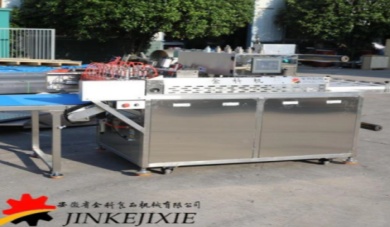
Industrial tunnel ovens or continuous griddle systems are used for both methods. These machines employ infrared, gas, or electric heating to deliver consistent browning and moisture reduction. Temperature control sensors ensure even cooking while preserving the signature soft, layered texture.
Surface Finishing
After cooking, the parotta’s surface may undergo finishing treatments to enhance appearance, taste, and mouthfeel. These include:
Oil brushing units that apply a light coating for shine and added softness.
Pressing modules that shape the parotta uniformly and control puffing during reheating.
Puffing or air-blowing systems that gently lift layers, creating the flaky texture that consumers associate with freshly made parotta.
Some advanced lines even incorporate cooling conveyors to stabilize the parotta’s structure before packaging. Cooling helps lock in moisture balance and prevents condensation inside packs, which could otherwise affect shelf stability.
By the end of this stage, the parottas emerge uniform in size, color, and texture—ready for freezing, packing, or immediate sale.
4. Cooling and Quality Control
After pre-cooking, parottas must cool properly before packaging to prevent condensation, which could lead to sogginess or microbial growth.
Controlled Cooling
Modern parotta lines use cooling conveyors or spiral chillers that bring the product temperature down gradually. Controlled airflow and temperature management prevent deformation and preserve texture.
Inspection and Quality Control
At this stage, vision inspection systems or metal detectors are often installed to ensure every parotta meets safety and quality standards. Defective or misshapen products are automatically rejected.
Weight checkers ensure uniform portioning.
Optical sensors detect color or surface inconsistencies.
Metal detectors safeguard against contamination.
Quality assurance data can also be integrated into smart factory monitoring systems for traceability.
5. Freezing and Packaging
The final stages—freezing and packaging—are critical for maintaining freshness and extending product shelf life, particularly for export and retail distribution.
Quick Freezing
Immediately after cooling, parottas are transferred to IQF (Individual Quick Freezing) systems or blast freezers. Rapid freezing prevents ice crystal formation, which helps retain the bread’s soft texture after reheating. This step locks in flavor and moisture while inhibiting microbial activity.
Packaging Automation
Modern parotta production lines employ fully automated packaging systems designed to handle both bulk and retail packaging formats. Common packaging options include:
Vacuum-sealed packs: Ideal for extended shelf life and protection against freezer burn.
Modified Atmosphere Packaging (MAP): Replaces air with nitrogen or carbon dioxide to preserve freshness.
Plastic trays or pouches: Convenient for retail sales, often combined with resealable options.
Automated labeling and coding systems print essential information such as batch numbers, expiry dates, and nutritional facts directly on the packaging. These data points are essential for compliance with international food standards.
6. Hygiene, Maintenance, and Safety in Modern Lines
Maintaining high hygiene standards is non-negotiable in food production. Leading manufacturers design parotta production equipment using stainless steel construction, sanitary conveyors, and easy-to-clean surfaces.
Cleaning-in-Place (CIP) Systems
Automated CIP systems allow for effective cleaning of mixers, conveyors, and piping without disassembly—reducing downtime and improving food safety.
Safety and Automation Integration
Sensors, guards, and interlock systems ensure operator safety, while advanced PLC and HMI interfaces offer centralized control of temperature, speed, and timing parameters. This integration not only boosts efficiency but also minimizes product variability.
Maintenance Efficiency
Predictive maintenance software can now track machine wear and alert operators before failures occur, ensuring uninterrupted production and reducing repair costs.
7. Advantages of a Fully Automated Parotta Production Line
Adopting a modern parotta production line offers numerous benefits over manual processes:
Consistent Quality: Automated systems maintain uniform texture, size, and taste across batches.
Higher Output: Continuous production enables mass manufacturing with reduced labor costs.
Improved Hygiene: Closed systems minimize human contact and contamination risks.
Energy Efficiency: Optimized systems reduce waste and lower operational costs.
Scalability: Lines can be expanded with additional modules to meet growing market demand.
Conclusion
The journey of parotta production—from raw ingredients to neatly packaged, frozen products—has evolved remarkably with modern automation technology. A fully equipped parotta production line combines precision, hygiene, and speed while preserving the traditional taste that consumers love.
For businesses looking to invest in reliable, efficient, and high-performance solutions, AnHui JinKe Foodstuff Machinery Co., Ltd. is a trusted name in the field. The company specializes in advanced food processing machinery designed to streamline production, enhance consistency, and meet global quality standards.
To learn more about their state-of-the-art parotta production equipment or to discuss customized solutions for your factory, visit [AnHui JinKe Foodstuff Machinery Co., Ltd.]—your partner in modern food manufacturing excellence.


